
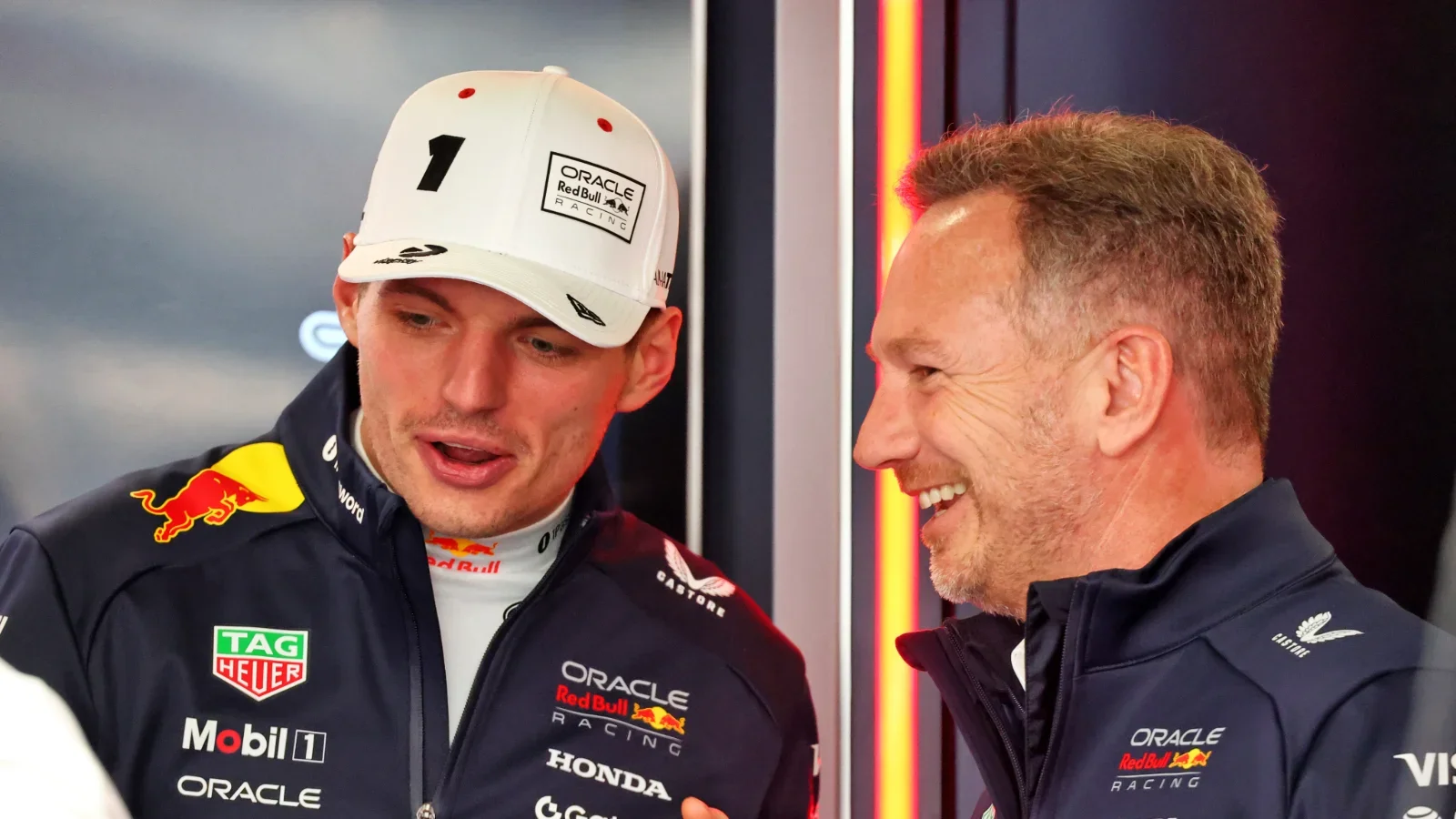

Max Verstappen has established himself as a defining figure in Formula 1, delivering an extraordinary level of dominance in recent seasons, particularly during 2023. Despite the team’s struggles with car performance, Verstappen’s exceptional driving secured his fourth consecutive world title, cementing both his and Red Bull’s place in F1 history. However, this very dominance conceals deeper issues within Red Bull Racing that threaten the team’s long-term competitive status.
The Dutch driver has been central to Red Bull’s identity since joining in 2016, becoming the operational and competitive cornerstone around which the team revolves. While this focus has yielded remarkable success, it has also created a fragile reliance on Verstappen’s talents, which now exposes significant vulnerabilities in the team’s sustainability and future prospects.
Red Bull’s Dependence on Key Individuals and the Talent Exodus
Red Bull has traditionally sought star drivers to spearhead their championship bids, with Sebastian Vettel epitomizing this in a previous era. Alongside drivers, pivotal figures like technical genius Adrian Newey and team principal Jonathan Wheatley have been crucial in maintaining Red Bull’s edge in car development and race strategy. But their departures have coincided with a noticeable shift in the team’s performance trajectory starting in 2025.
The absence of Newey’s innovative design leadership and Wheatley’s management expertise has created a leadership vacuum, underscoring the team’s difficulties in maintaining its competitive advantage. Questions remain about whether Newey could have redirected the team’s car development last season and how the management reorganization has impacted day-to-day operations without Wheatley’s guidance.
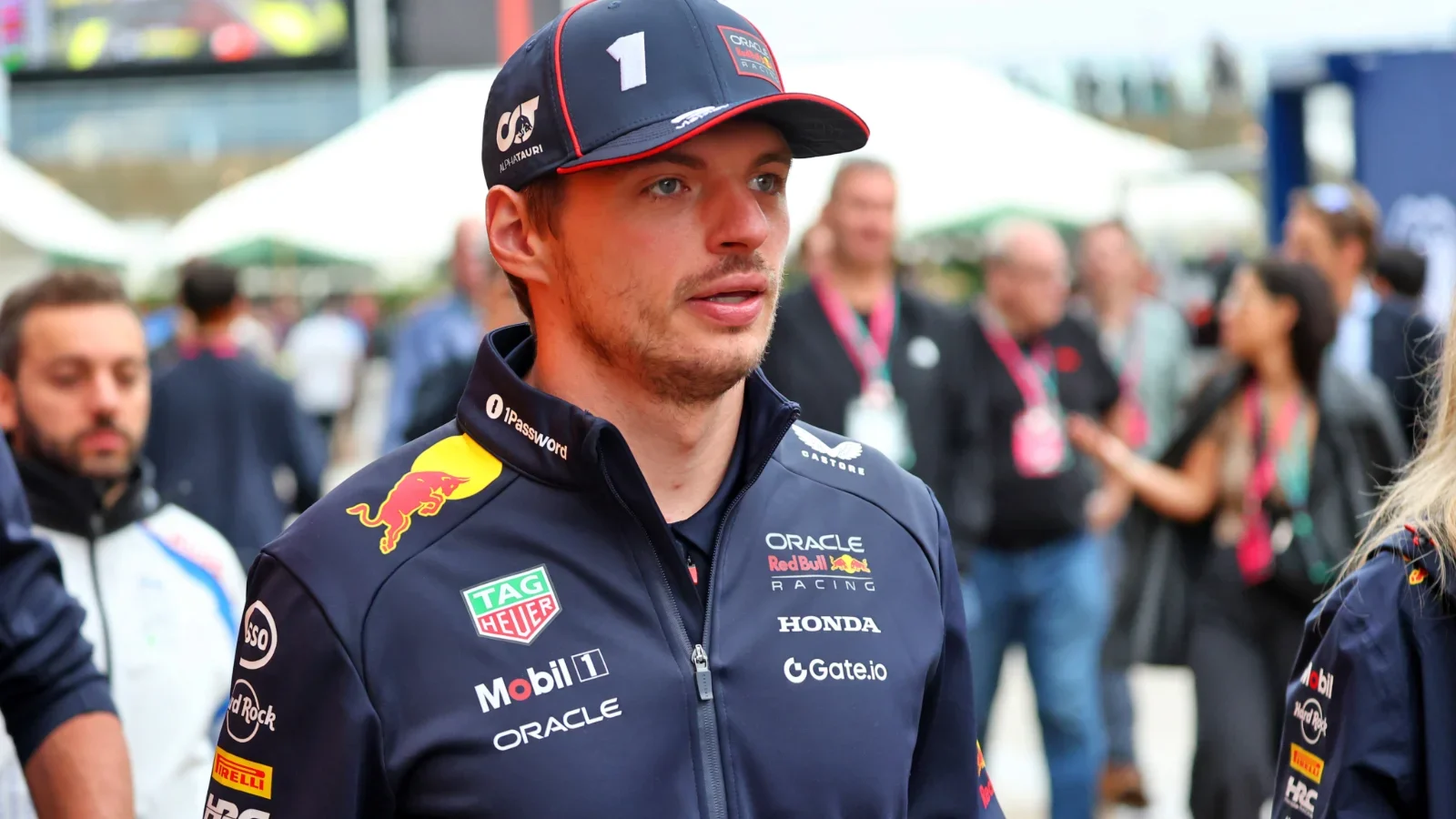
Through these challenges, Verstappen’s resilience has been Red Bull’s saving grace. In an increasingly underperforming car, he remains the only driver enabling Red Bull to contend with rivals like McLaren. Yet, this overreliance on Verstappen illustrates a broader strategic failure to nurture additional talent and safeguard the team’s future beyond his tenure.
Emerging Risks from Limited Driver Depth
As Verstappen continues to deliver results, Red Bull’s pipeline of drivers poses concerns for long-term competitiveness. The current young talents—Yuki Tsunoda, Liam Lawson, Isack Hadjar, and potentially Arvid Lindblad—lack the experience and proven ability to lead a top-tier team back to championship contention if Verstappen departs.
This situation is not a disparagement of the younger drivers but a reflection of the monumental challenge any driver would face stepping into a team in transition. Red Bull’s present strategy prioritizes retaining Verstappen at all costs, but this narrowly focused approach leaves the team unprepared for his eventual exit, whether through retirement, transfer, or other factors.
Verstappen’s personal career considerations amplify this risk. With a young family and varied racing interests outside F1, the 27-year-old champion has openly acknowledged the possibility of an early departure. Red Bull’s failure to adequately prepare for this eventuality now looms as a critical strategic oversight.
Leadership Changes and Their Symbolic Weight
The recent exit of Christian Horner, Red Bull’s team principal during this golden period, symbolizes a broader transition phase within the team. Horner’s departure coincides with Verstappen’s waning dominance, suggesting the end of an era for Red Bull’s most successful chapter. While this shift signals potential instability, it also highlights the challenges ahead without the leadership duo that defined the team’s peak years.
Importantly, Verstappen himself stands to benefit from these developments. Holding one of the strongest positions of his career, he has the luxury to await new opportunities, particularly with the planned regulations shake-up in 2026 promising to reset competitive balances. Whatever Red Bull’s fate, Verstappen’s future remains full of potential.
The Fragile Foundation of Red Bull’s Future
Verstappen’s presence currently underpins not only Red Bull’s identity but their status among the elite teams. His role resembles a keystone in a precarious structure; removing him risks causing the entire operation to unravel. The heavy dependence on a single driver‘s ability masks an absence of structural depth and developmental resilience within the team.
As the F1 landscape evolves, Red Bull must confront the prospect of life after Verstappen, rebuilding its technical and driving departments to avoid slipping into obscurity. Without decisive action, the team‘s current dominance will be remembered as a high point preceding a prolonged decline.