


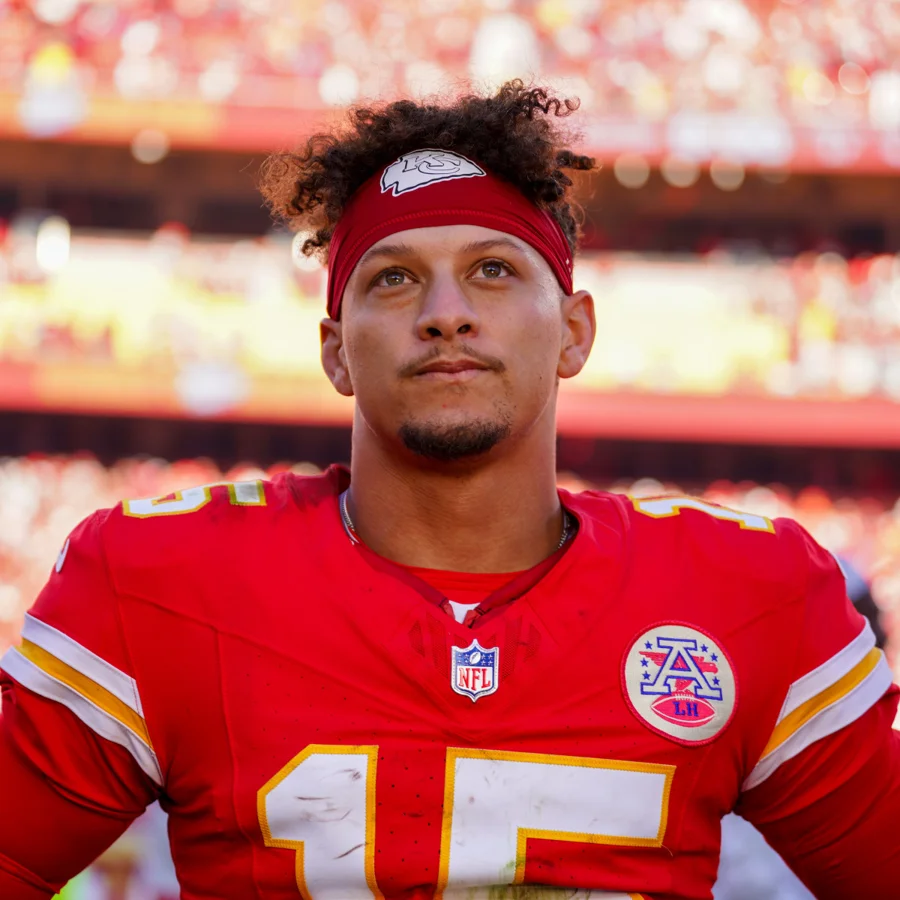
Patrick Mahomes, the star quarterback of the Kansas City Chiefs, revealed in a recent interview with CNBC’s Alex Sherman that he is open to acquiring a minority ownership interest in the Chiefs once his playing career ends. While emphasizing that such a move would likely be a decade or more in the future, Mahomes conveyed enthusiasm about staying involved with the franchise he has helped elevate to championship status.
“Kansas City and the Chiefs have done so much for me, so to be a part of them in any way would be really cool,”
Mahomes said.
“I know they do the minority stakes and stuff like that now. I don’t think the Chiefs have done that yet, so maybe down the line.”
Mahomes’ Growing Sports Investment Portfolio Supports Ownership Aspirations
Mahomes is no stranger to sports-related business investments. His ownership stakes already include the Kansas City Royals in Major League Baseball, Sporting KC in Major League Soccer, and the Kansas City Current in the National Women’s Soccer League. These investments demonstrate his interest in maintaining a strong presence in Kansas City’s athletic community, making minority ownership of the Chiefs a logical next step for him.
The trend of current or former players acquiring team ownership stakes is gaining traction in the NFL. Tom Brady, for example, received approval to become a limited partner of the Las Vegas Raiders, despite initial valuation hurdles delaying the transaction. Brady’s entry into ownership ties him permanently to the AFC West, where he made much of his playing career.
Similarly, former New York Giants quarterback Eli Manning considered purchasing a minority share when the team planned to sell 10 percent in minority equity but ultimately decided against it due to cost concerns. Beyond quarterbacks, other players such as Hall of Fame cornerback Charles Woodson have also landed minority stakes; Woodson was recently granted a 0.1 percent ownership share in the Cleveland Browns, highlighting a broader movement toward players becoming part-owners.
Challenges and Considerations for Mahomes’ Ownership Role
Despite Mahomes’ clear interest, minority ownership in the Kansas City Chiefs is not currently available. The franchise remains under the control of the Hunt family, who must approve any sale of equity stakes. Additionally, the NFL’s ownership rules require league approval for changes to team ownership structures, meaning this is a complex process that must align with multiple parties’ interests.
Mahomes’ unique role and contributions to the franchise bolster the case for him to become a stakeholder in the future. Having led the Chiefs to three Super Bowl victories after decades of frustration, his importance to the team’s brand and success is unmatched. Maintaining a relationship with Mahomes beyond his playing days could provide significant long-term value to the organization.
Mahomes acknowledged that retirement—and thus ownership involvement—is a ways off.
“That’ll be about 10 or 15 years from now, or whatever that is,”
he said.
“Hopefully they’ll hold the space for me because you only have a certain amount of minority stakes that they can sell.”
What Lies Ahead for Patrick Mahomes and the Chiefs
For now, fans can be assured that Mahomes remains fully committed to playing. However, when his career eventually ends, transitioning to a minority ownership role could allow him to continue influencing the franchise he helped transform. This potential shift would not only keep Mahomes connected to the Chiefs but also further cement his legacy in Kansas City sports history.