
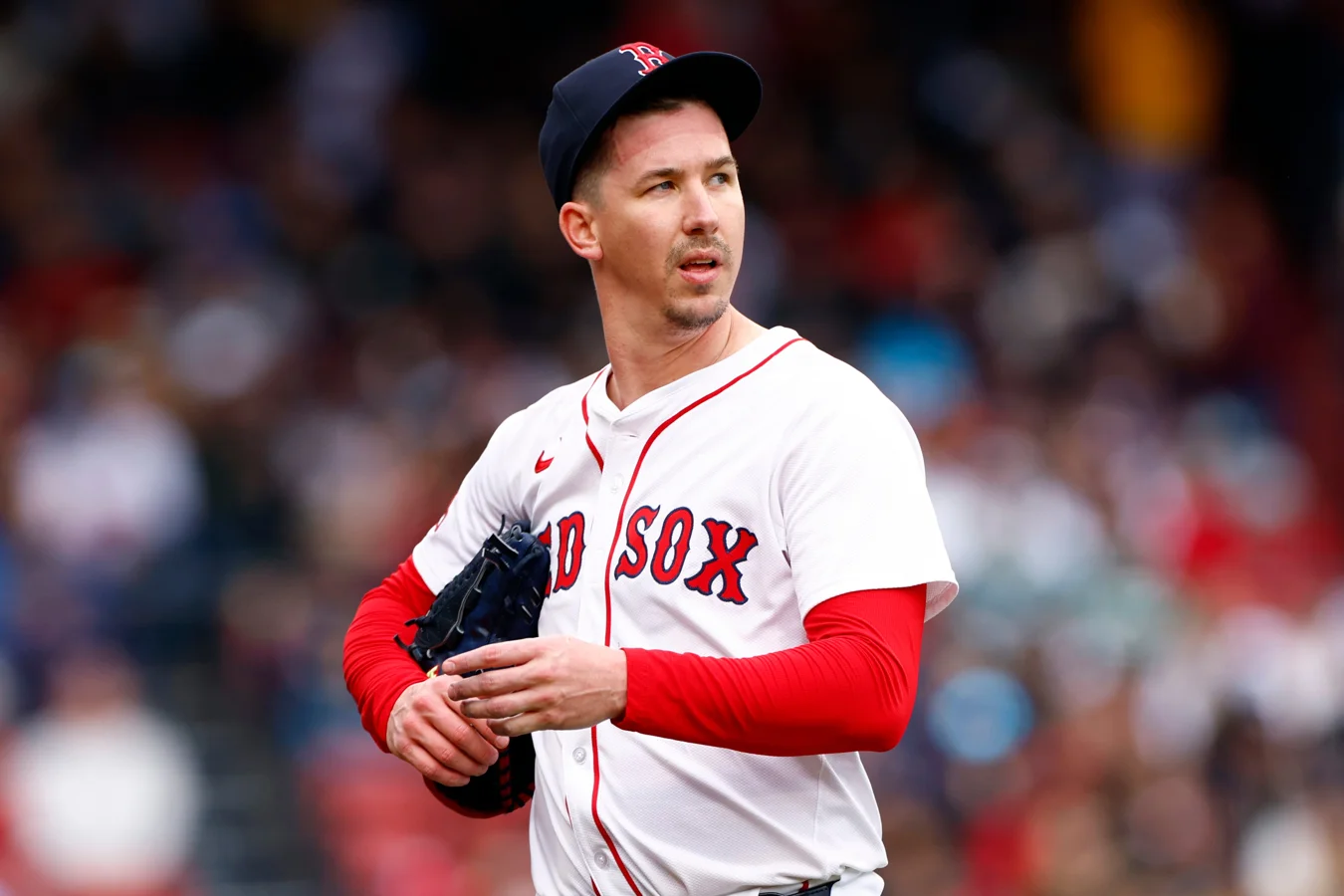

During the 2025 All-Star Break, the Boston Red Sox’s surprising decision to trade star third baseman Rafael Devers to the San Francisco Giants on June 15 has become a major point of discussion. Despite initial backlash for trading a key hitter in the middle of a playoff chase, the Red Sox appear to have gained the upper hand in this deal as the season reaches its midpoint.
Since the trade, Boston has performed strongly, positioning the Rafael Devers trade impact at the center of a storyline showcasing unexpected success for the Red Sox compared to the Giants’ struggles.
Statistical Comparison Reveals Red Sox’s Post-Trade Surge Versus Giants’ Woes
Following the trade, Boston’s record stands at an impressive 16-9, with the team averaging 5.5 runs scored per game and boasting a +39 run differential. This performance ranks as the third-best in Major League Baseball, just behind the Milwaukee Brewers and Toronto Blue Jays. The Red Sox’s offensive output has remained robust, tying for the third-most runs scored since Devers’ departure.
In contrast, San Francisco has recorded an 11-14 mark with a negative-28 run differential. The Giants’ offense has notably underperformed, scoring just 90 runs—one of the lowest totals in the league during the same stretch. This decline coincides with Devers’ difficulties adapting to his new team.
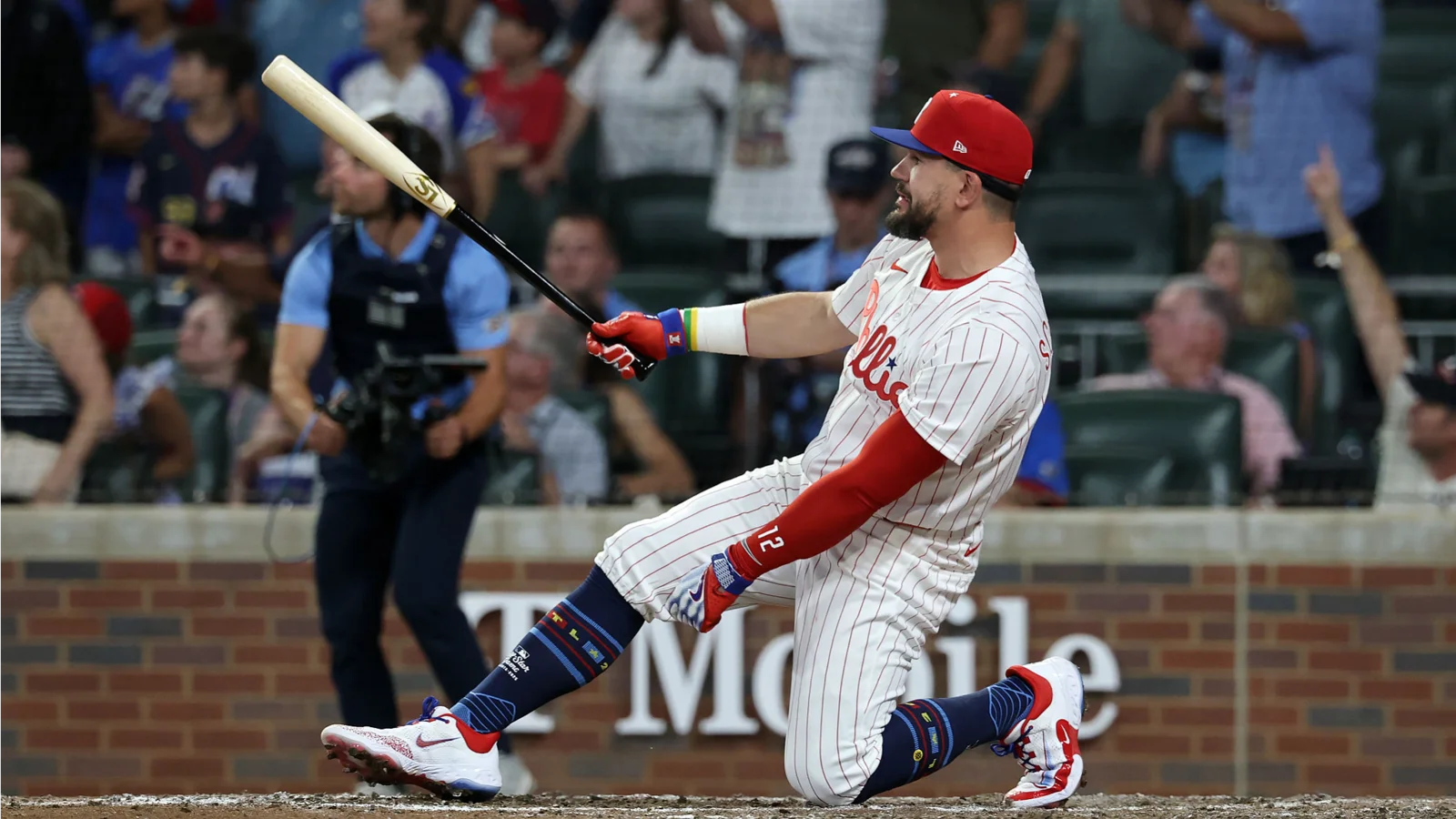
“The Red Sox are 16-9 since the Devers trade. They are averaging 5.5 runs per game.The Giants are 11-14 while averaging 3.6 runs per game.Devers is hitting .202 with 2 HR and 10 RBI. pic.twitter.com/UjNLr6N44b” — Adam Jones, ESPN Commentator
Multiple analysts from DraftKings Sportsbook, WEEI, and MassLive have noted on social media platforms how Boston’s strong performance contrasts with the Giants’ struggles since the trade.
Rafael Devers’s Performance and Red Sox’s Unexpected Gains
Devers has faced challenges adjusting to San Francisco, compiling a batting line of .202/.330/.326 with two home runs and ten RBIs, while striking out 34 times compared to 18 hits. His value as measured by WAR stands at -0.1 according to Baseball-Reference, and he entered the All-Star Break enduring a 1-for-18 slump, possibly hampered by a lower back injury.
Meanwhile, the Red Sox have thrived without him, finishing the first half on a 10-game winning streak. Notably, Boston’s return pieces from the trade, pitchers Jordan Hicks and Kyle Harrison, have contributed minimally so far, combining for less than four innings pitched and a -0.2 WAR.
Long-Term Outlook Remains Uncertain but Red Sox Showing Early Success
While it may take several seasons to fully assess the impact of the Rafael Devers trade, the evidence so far suggests that the Red Sox have benefited more this year. Boston’s surprising offensive firepower and strong record since the trade highlight a shift in momentum that could influence playoff positioning and team confidence moving forward.
For San Francisco, rebuilding chemistry and improving offensive production will be critical to capitalize on the acquisition of Devers. The coming months will reveal whether the Giants can reverse their slide and if Devers can regain his usual form.
Our Reader’s Queries
Q. How many errors did Rafael Devers have?
A. By the end of the 2024 season, Devers had made 141 errors, the most among active third basemen over eight seasons. Among those who played at least 500 games, he had the lowest fielding percentage at .944.
Q. How many errors did Rafael Devers make?
A. By the end of the 2024 season, Devers had the most errors among current third basemen, totaling 141 in eight seasons.
He also had the lowest fielding percentage (.944) among active third basemen with at least 500 games played.