
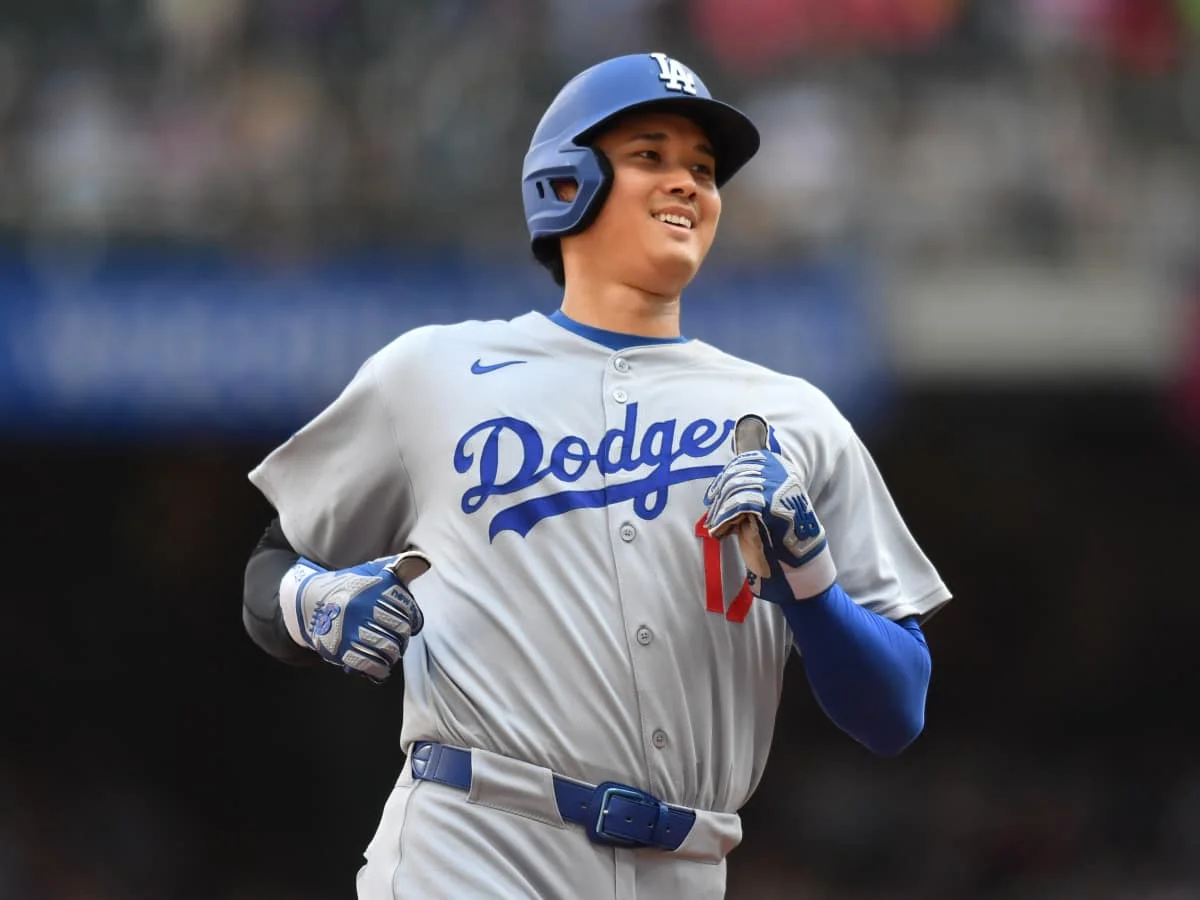

The ongoing discussion about baseball’s greatest players was reignited when Derek Jeter, the legendary Yankees captain, made remarks about Shohei Ohtani, the two-way star of the Los Angeles Dodgers. The debate intensified in mid-July 2025 as Jeter suggested that while Ohtani’s talent is undeniable, he might need a longer career to solidify his place among the all-time greats. This comment has sparked heated reactions from fans and analysts alike, bringing to the forefront questions about what truly defines greatness in baseball.
Jeter’s Perspective on Shohei Ohtani’s Career
Derek Jeter, a five-time World Series champion and a Hall of Famer, acknowledged Ohtani’s extraordinary abilities by calling him “a unicorn” and describing watching him play as “unbelievable.” Still, Jeter’s recent statement implied that Ohtani’s relatively short time in the league compared to Jeter’s own lengthy career raises questions about sustained excellence. Jeter’s view focuses on longevity as a key factor in declaring a player truly great, suggesting the need to maintain elite performance over many seasons rather than peak achievements alone.
Jeter’s career accomplishments provide context for his remarks, as he retired with 3,465 hits, the sixth-most in MLB history, and boasted a .321 batting average specifically in World Series games. His career also included 14 All-Star selections, five Gold Gloves, five Silver Slugger awards, two Hank Aaron Awards, and a legacy honored in Cooperstown. His longevity and consistency shaped his perception of greatness, which has influenced his opinion about Ohtani.
Comparing Two Unique Careers in Baseball
Shohei Ohtani’s career, by contrast, is marked by unprecedented two-way success as both a hitter and pitcher, a rarity in modern baseball. Up to 2024, Ohtani had won three Most Valuable Player awards, including the first unanimous NL MVP vote ever recorded. His performance in 2024 saw him hit 54 home runs and steal 59 bases, a historic feat unmatched by any other player in the same season. Although his World Series batting average was a modest .105 during the Dodgers’ championship run, his overall contributions were significant in securing the title.
The nature of Ohtani’s achievements—combining spectacular peak performances with unique versatility—has challenged traditional metrics of baseball greatness, which typically emphasize career longevity and cumulative numbers. His ability to excel both at the plate and on the mound has drawn admiration but also prompted debate over how his legacy should be measured in comparison to longtime stars like Jeter.
Fan Outcry and Social Media Explosion
Jeter’s comments quickly ignited a firestorm on social platforms, especially Twitter, where passionate fans debated the fairness of demanding longevity from Ohtani to validate his greatness. Dodgers supporter Josh Gitt criticized Jeter’s remarks directly, tweeting,
“I’m sorry, did I just hear Derek Jeter just say that Shohei Ohtani needs to play longer to prove he’s one of the best? Is really that jealous that he’s not in pinstripes?”
This tweet struck a chord with many, opening a wider discourse about place, legacy, and team loyalty.
Some detractors minimized Ohtani’s impact by referring to him merely as a designated hitter, overlooking his pitching prowess and cumulative success. Ohtani has recorded 257 home runs and maintained a pitching earned run average (ERA) of 2.97, further proving his unique value as a true two-way star. His impending return to pitching after a hiatus since 2023 highlights that his career, though still relatively young, continues to evolve.
Key Arguments Emerging from the Debate
One side of the debate agrees with Jeter’s emphasis on longevity in defining baseball greatness. A fan pointed out,
“Has nothing to do with pinstripes. Jeter played until he was 42 and he wants Shohei to play just as long!”
Jeter retired at 40, setting a precedent for a prolonged competitive career. On the other hand, some believe Ohtani’s breathtaking peak performance already puts him in the conversation among baseball’s elite regardless of the length of his career.
Fans also raised the contrast in MVP awards to highlight Ohtani’s exceptional talent relative to Jeter.
“How many MVPs did Jeter get?”
questioned one supporter, as Ohtani boasts three MVPs so far with a strong chance at a fourth, while Jeter secured only one in his playing days. Another pointed out Ohtani’s dominance even before joining the Dodgers, asserting,
“Ohtani was already the best to put a uniform on before he made a switch to Dodgers,”
supported by his elite slash line and power-hitting record with the Angels.
Supporters of Jeter’s argument reiterated that it recognizes a broader perspective on greatness beyond immediate impact. One fan insisted,
“You’re honestly an idiot if you don’t understand what Jeter is saying,”
emphasizing that Jeter values not only skill but sustained excellence, durability, and a lasting influence on the sport over time.
Setting the Stage for a New Standard in Baseball History
The controversy around Derek Jeter’s remarks has revealed a deeper divide on what factors best define baseball greatness today. Shohei Ohtani’s unprecedented two-way achievements challenge long-held conventions that prioritize career length and accumulation of statistics. Yet, Jeter’s viewpoint stresses the importance of resilience, adaptability, and a proven ability to maintain dominance over many seasons.
This debate reflects a broader conversation in sports about balance between the quality of peak performance and the quantity of career longevity. For now, Ohtani’s trajectory remains dynamic, and future seasons will be critical in determining whether his peak brilliance evolves into a sustained legacy like Jeter’s.
As the baseball community reflects on this ongoing discourse, it is clear that Shohei Ohtani has already made a profound impact on the game. Whether his career length will sway opinions much longer remains to be seen, but his uniqueness ensures that conversations about baseball greatness remain vibrant and evolving.
Our Reader’s Queries
Q. Is Shohei Ohtani the only 50/50?
A. Shohei Ohtani is the sole member of the 50/50 club.