
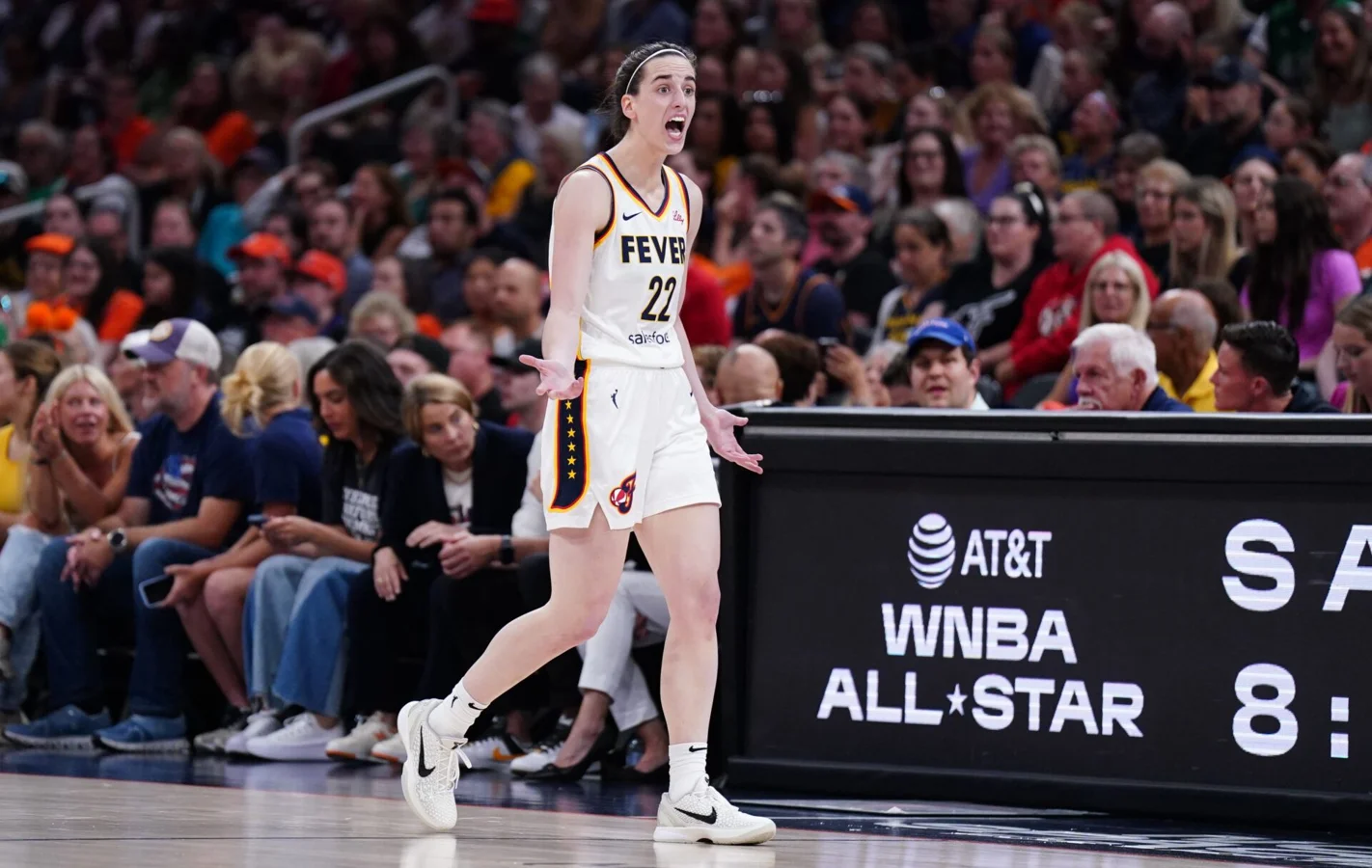

The ESPYs ceremony on Wednesday night became a focal point of controversy when comedian Shane Gillis used his opening monologue to target Caitlin Clark, the rising star of the Indiana Fever and a transformative figure in the WNBA. His joke, which referenced race and physical altercations, quickly drew widespread criticism from fans, players, and media professionals concerned about the boundaries of humor in sports culture.
Details Behind the Controversial Joke
During his monologue, Gillis initially praised the WNBA’s big year and expressed admiration for Caitlin Clark, but the tone shifted with a joke that sparked backlash. Gillis said,
“When Caitlin Clark retires from the WNBA, she’s going to work at a Waffle House so she can continue doing what she loves most: fist fighting Black women.”
This remark drew sharp criticism for reinforcing racial stereotypes and trivializing the physical competition Clark has encountered. By framing basketball rivalries through a racially charged lens and associating them with late-night confrontations at Waffle House, the humor was seen as unnecessarily divisive and offensive.
Caitlin Clark’s Experiences Amidst Physicality in the League
Gillis’ joke referenced a string of physical confrontations that have marked Clark’s first two seasons in the WNBA. The 23-year-old guard, drafted first overall by the Indiana Fever following an outstanding collegiate career at Iowa where she became the NCAA’s all-time leading scorer, has often been at the center of intense defensive play and on-court disputes.
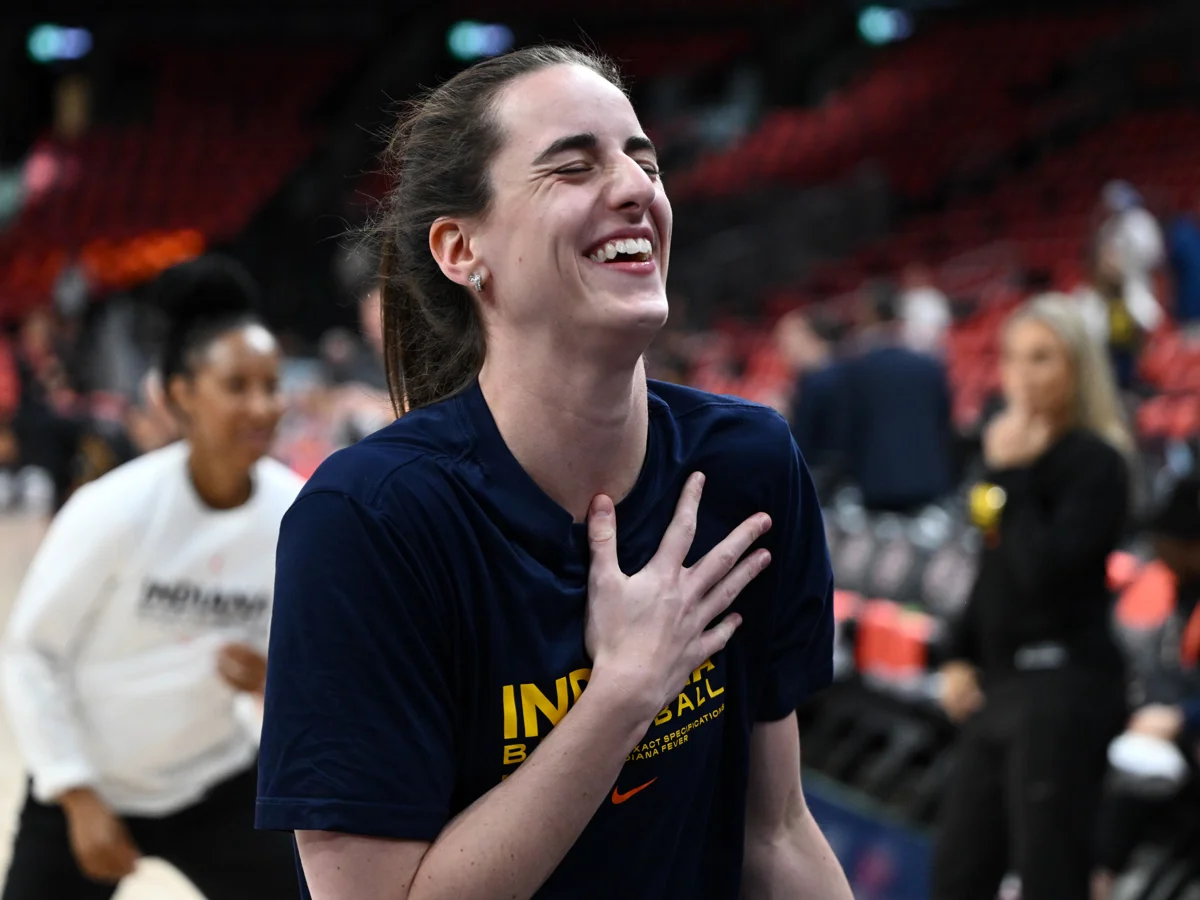
Her physical battles were notably highlighted when Chicago Sky guard Chennedy Carter delivered a hard shoulder check in June, igniting a national conversation about aggressiveness in women’s basketball. More recently, Clark suffered a groin injury during a tough game on July 15 in Boston against the Connecticut Sun, a match played in front of a sellout crowd of over 19,000 at TD Garden, emphasizing her ability to draw large audiences. League Commissioner Cathy Engelbert has described this as a key moment in the sport’s growth.
The Growing Influence of Caitlin Clark on the WNBA’s Expansion
Through the games played by Tuesday, Clark has been averaging 16.5 points, 5.0 rebounds, and 8.8 assists per game, shooting 36.7% overall and 27.9% from beyond the arc. While the Fever sits third in the competitive Eastern Conference with a 12-11 record, Clark’s impact goes well beyond statistics.
As the WNBA’s top pick in 2024, Clark earned the Rookie of the Year award in an almost unanimous vote, with her debut season boosting attendance and national visibility for the league. Her star appeal has helped fill arenas and attract television viewers, contributing to a surge of interest.
The league’s continued expansion includes new franchises in Cleveland, Toronto, Portland, Detroit, and Philadelphia, with each ownership group investing $250 million to join the WNBA. This growth is often attributed to the rising popularity of young headliners like Clark, Angel Reese, and Paige Bueckers, reflecting a broadened cultural and financial appreciation for women’s professional basketball.
Clark’s ability to draw massive crowds, such as the one at TD Garden, highlights the increasing demand for women’s sports presented with significant promotional efforts and proper platforms.
Implications of the Backlash and Future of WNBA Culture
The reaction to Shane Gillis’ joke has sparked an important dialogue about race, respect, and the role of comedy in sports, especially within women’s basketball. Caitlin Clark’s career has symbolized a shift not only in gameplay but in how the league engages with fans and grows its audience. The debate around the joke underscores the broader challenges the WNBA faces as it gains mainstream attention: balancing spirited competition and cultural sensitivity.
As the league continues to expand and Clark’s influence intensifies, the conversations around inclusivity and respect in sport culture are likely to shape how players, media, and entertainers interact moving forward. The WNBA’s growth trajectory, propelled by key players and expanding fan bases, suggests a promising yet complex future that demands careful navigation of social issues alongside athletic achievement.