
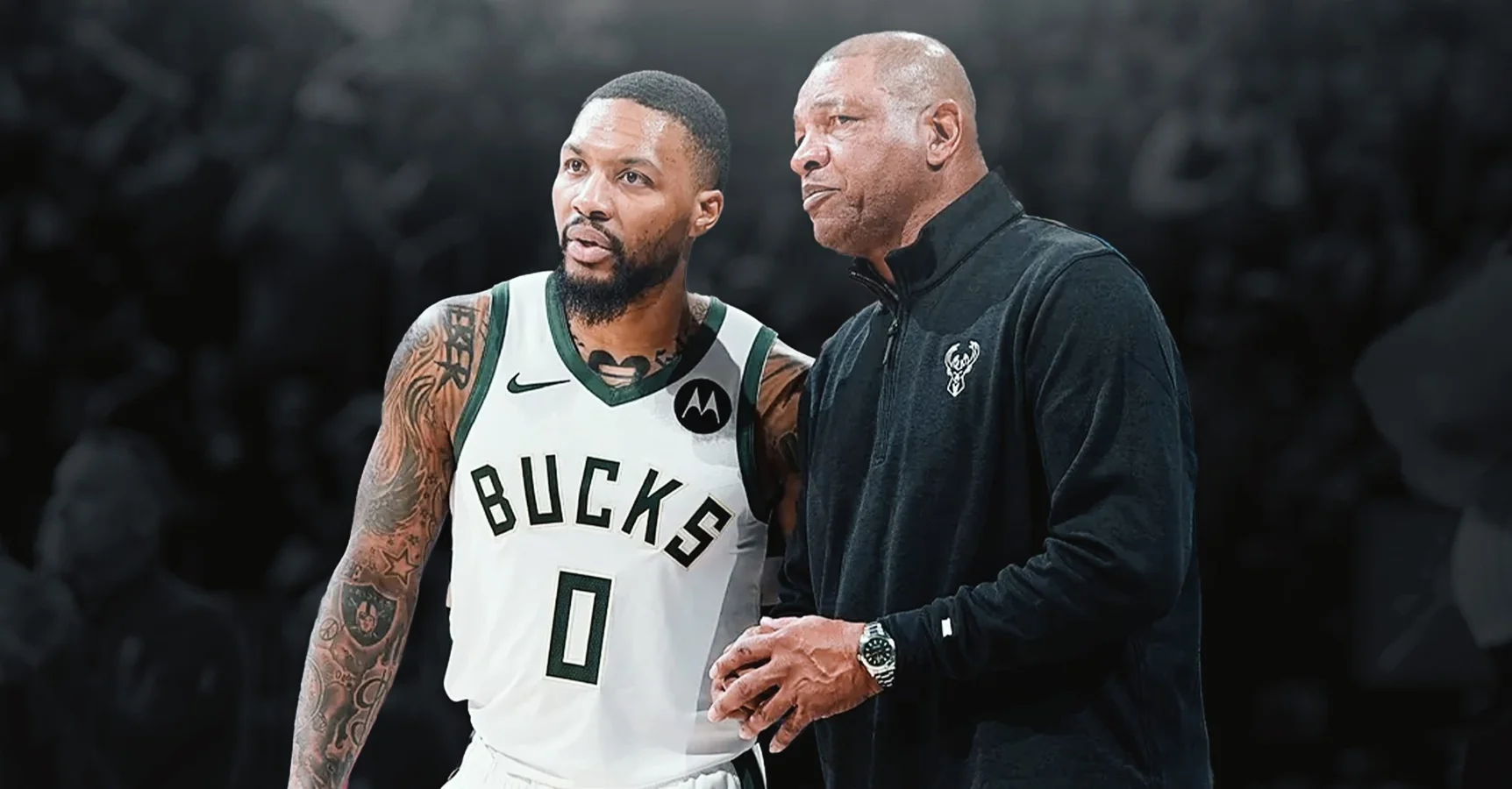

The Milwaukee Bucks stunned fans and analysts alike by waiving star point guard Damian Lillard in an unexpected move designed to create salary cap space for acquiring Myles Turner. This bold decision comes amid uncertainty surrounding Giannis Antetokounmpo’s future with the team, as the Bucks’ general manager Jon Horst shifts the franchise’s strategy to prioritize the present over the long term.
Faced with Lillard’s long-term injury and Giannis’s potential trade request, the Bucks stretched Lillard’s $113 million remaining contract over five years, freeing immediate cap room for Turner’s deal. Bill Simmons immediately blasted the move on his podcast, describing it as reckless, highlighting the division this action created among observers.
Understanding the Reasoning Behind the Bucks’ Gamble on Myles Turner
Jon Horst explained to The Athletic that the team carefully weighed the inherent risks and rewards involved with waiving Lillard while committing financially to Turner. Horst acknowledged the boldness but emphasized the opportunity to add an elite, athletic center like Turner, who is in his prime and complements Giannis well on both ends of the court.
I think every decision, every move that you make, has risk and reward, so there’s nothing unique about that in this case. We looked at the opportunity to acquire a highly productive, elite free agent, who is in the prime of his career, and who is an incredible fit next to Giannis, as an opportunity for these next two seasons in particular, instead of what would have been Dame on our books at a full salary, as really opportunistic, more than anything.
—Jon Horst, Milwaukee Bucks General Manager

Turner’s ability to stretch the floor with his shooting and protect the rim offers the Bucks a strategic edge, especially considering he was secured from the Indiana Pacers, a division rival. The frontoffice views Turner as a key piece to entice Giannis to remain with Milwaukee, as the enhanced frontcourt promises a high-impact pairing on paper.
However, trading away Lillard—a modern-era all-star point guard—without prior notification has been controversial. The franchise will now carry the financial burden of his contract for five years in addition to Turner’s salary, resulting in an approximate $50 million annual cap hit. This is amplified by Brook Lopez’s departure, raising concerns about whether Turner’s contribution offsets the financial cost given the uncertainty of Giannis’s stay in Milwaukee.
Balancing Immediate Success with Long-Term Financial Constraints
Despite the risks, Horst defended the decision as prioritizing the present to maximize Giannis’s prime years over future flexibility. He acknowledged the stretched contract creates a hurdle but framed it as a necessary challenge to retain competitiveness now rather than later.
The carry for the following three years, there’s no question that if you want to call it an impediment or another hurdle, that’s fine. But we were dealing with a really big hurdle and complication that we had to figure out how to deal with now, and the now matters more than anything. Maximizing Giannis’ prime, our opportunities to win, I feel like that’s our responsibility always. So it was really a now versus future decision.
—Jon Horst, Milwaukee Bucks General Manager
Horst also highlighted that Turner will provide valuable production during four of the five years Lillard’s contract stretches, which should mitigate some of the financial strain from this arrangement.
Myles is an incredible player in the prime of his career for four years. So, four of those five years, we have Myles Turner, so it wasn’t like we just did something now and then we have to take four years of risk beyond this year and four years of carry without any production.
—Jon Horst, Milwaukee Bucks General Manager
Cautious Voices and Criticism from Basketball Analysts
Despite Horst’s rationale, many experts remain uneasy about the move. On his podcast, Bill Simmons condemned the decision as one of the most reckless in recent memory, dismissing the logic behind it unless it firmly guarantees championship contention in the near term.
One of the most desperate, reckless moves that I can ever remember.
—Bill Simmons, Basketball Analyst
I hated it. I don’t understand it. I think it’s a disaster.
—Bill Simmons, Basketball Analyst
Simmons cautioned that without clear assurances of success next season, the move may backfire, leaving the Bucks with major salary cap issues and potentially forcing them to consider trading Giannis sooner rather than later.
Potential Outcomes: Championship Hope or Financial Quagmire
The ultimate impact of waiving Damian Lillard hinges largely on Giannis Antetokounmpo’s future decisions. Should Giannis choose to remain and the Bucks contend for an NBA championship with Turner’s presence bolstering their roster, the bold gamble could be seen as a clever, aggressive maneuver to prolong their title window.
Conversely, if Giannis demands a trade within the next year as many expect, the large financial commitment to Lillard’s stretched contract will burden the franchise, making this move appear reckless and potentially setting back Milwaukee’s competitiveness significantly.
As the Bucks navigate this uncertain period, the league will watch closely to see whether this high-stakes gamble yields a championship run or becomes a cautionary tale of risk overshadowing reward.