
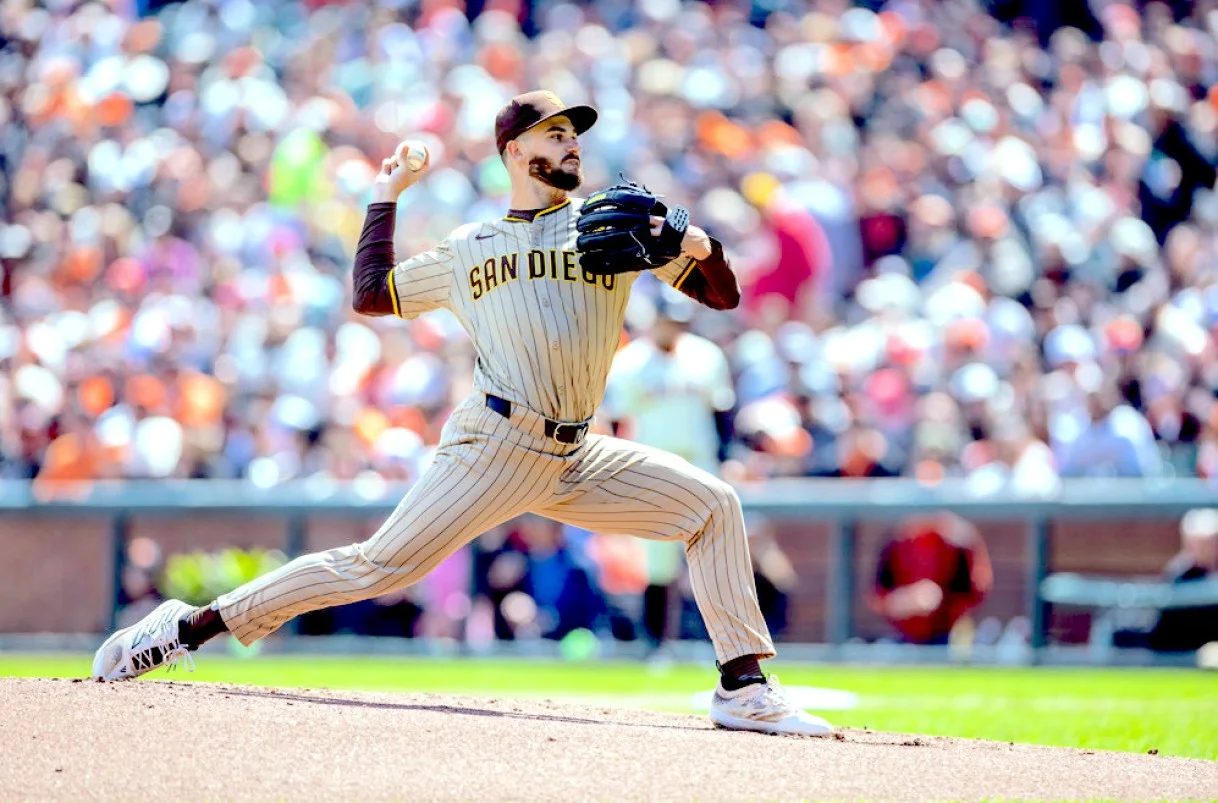

Fantasy baseball enthusiasts have noticed Jacob Wilson‘s impressive .332 batting average this season, making him a standout player for the Athletics. However, experts caution that maintaining such a high average throughout the year is unlikely, raising concerns about Wilson as a potential fantasy baseball bust in the second half of the season. This article examines Wilson’s performance, the reasons behind possible regression, and other players with similar risk profiles as the season progresses.
Understanding the Meaning of a Fantasy Baseball Bust
The term “bust” in fantasy baseball is often misunderstood. It does not necessarily mean that a player is outright bad or permanently underperforming. Instead, it usually indicates a player who is overvalued or carries significant risk that may not justify their current price. More specifically, in the context of midseason adjustments, a bust might be a player expected to perform worse in the latter half of the season than they did in the first.
For example, Cal Raleigh offers a useful comparison. Raleigh’s first half has been historically exceptional, on pace to smash the single-season home run record for a catcher by a wide margin. Even if he regresses and hits fewer home runs going forward, this would be a natural step back rather than a sign of collapse, and thus not fitting the typical definition of a bust. In contrast, players with riskier or less sustainable performance patterns may fit the bust label more accurately as the season advances.
Why Jacob Wilson’s Batting Average May Decline
Jacob Wilson’s unique batting stance and clutch contact skills have propelled him to the All-Star game and established him as one of baseball’s premier contact hitters. Still, sustaining a .332 batting average over a full season is exceptionally difficult. Rare hitters like Luis Arraez have managed close to that level only once, and Wilson’s expected batting average (xBA) sits at a much lower .287.
Wilson exhibits solid contact abilities but doesn’t hit the ball as hard as Arraez, who has outperformed expectations more consistently over recent seasons. Wilson also shows only a marginally higher rate of pulling the ball in the air, which limits some offensive upside. If Wilson’s batting average dips into the .280 range, his value as a fantasy player could drop sharply, especially given his limited contributions outside of hitting for average.
Additional Players Likely to Struggle in the Second Half
Alongside Wilson, several other players appear poised for regression or reduced fantasy impact as the season progresses. These second-half bust candidates illustrate a range of risks, from skill-related issues to potential workload concerns.
Pete Crow-Armstrong, OF, Cubs: Crow-Armstrong has been one of the surprise performers this season but also represents a classic sell-high candidate. Though his speed and aggressive swing style offer value, his below-average contact skills and high-risk approach at the plate suggest his current performance may not be sustainable. His expected stats have been inflated, and fantasy managers should be wary of relying too heavily on his continued production.
Trevor Story, SS, Red Sox: Story’s ability to stay healthy has been a rare positive for the Red Sox, and his combination of power and speed makes him valuable in fantasy. However, his poor plate discipline and historically high strikeout rates create a significant risk of downturns. Despite showing flashes of effectiveness, his underlying numbers suggest that his current output may not be maintainable, and the chances of injury remain high given his usage.
Zach McKinstry, 3B, Tigers: McKinstry’s All-Star selection was a surprise to many, given his age and previous performance levels. While his production has been hot, his underlying metrics suggest much of this output might be due to luck. With plate discipline and batted ball profiles similar to last year, a second-half drop-off is probable, making him a risky fantasy asset moving forward.
Pitchers Facing Workload and Performance Challenges
Several pitchers are under scrutiny for either potential workload limitations or performance issues that could reduce their fantasy impact in the second half.
Kris Bubic, SP, Royals: Bubic has significantly increased his innings this year compared to previous seasons, raising concerns about the Royals possibly limiting his workload due to his history of injuries. His recent performance has dipped slightly, with an ERA over 4.00 and WHIP above 1.40 since June. Whether or not the Royals impose restrictions, sustaining his breakout form might be difficult.
Drew Rasmussen, SP, Rays: Rasmussen’s innings management has been carefully handled by the Rays, who limited him to short outings before the All-Star break to control his workload after elbow surgery. A 150-inning season limit is reportedly in place, meaning Rasmussen will likely be restricted in the second half, potentially reducing his value as a fantasy starter. These innings constraints could also eliminate his availability for postseason play.
Clay Holmes, SP, Mets: Holmes has struggled to maintain consistency this season, failing to pitch deep into games and posting concerning control metrics. His rate of walks is above average while his strikeout numbers have declined, suggesting fatigue or declining effectiveness is impacting his results. Although his ability to induce ground balls mitigates some damage, persistence of these trends points toward a challenging second half.
Closer Roles and Trade Deadline Uncertainty
The upcoming trade deadline has added volatility to bullpen roles, especially for closers like Aroldis Chapman of the Red Sox. Despite the team’s recent winning streak reducing the likelihood of a major sell-off, changes could occur that affect closers’ availability and stability. Other bullpen arms such as Kenley Jansen, Kyle Finnegan, and David Bednar face uncertain futures that could impact their fantasy value, while high-profile relievers like Felix Bautista, Mason Miller, and Emmanuel Clase are more likely to be traded to contending teams, maintaining their closer roles.
The Bigger Picture: Managing Expectations for Second-Half Performance
Wilson’s strong start and his peers’ performances highlight the difficulty in projecting sustained excellence over a long baseball season. Players with exceptional first halves may face regression due to skill limitations, injury risks, or workload management. For fantasy baseball managers, recognizing these bust risks is critical in avoiding overvaluing players whose numbers are unlikely to hold.
Looking ahead, monitoring players’ expected stats, injury news, and trade developments will be essential. Those willing to make strategic adjustments based on these factors could gain a competitive advantage in the critical second half of the season.
Our Reader’s Queries
Q. What is Jacob Wilson’s injury?
A. Wilson was told he has a bruise after getting checked out. Manager Mark Kotsay mentioned that X-rays showed nothing was broken. Wilson is listed as day-to-day and will be checked again on Wednesday. “Fortunately, I didn’t have any serious injuries, no broken bones,” Wilson stated.
Q. Did Jacob Wilson get hurt?
A. In West Sacramento, California, there’s some good news about Athletics shortstop Jacob Wilson’s injured left hand. However, it’s still unclear if he will play in Tuesday’s All-Star Game.