
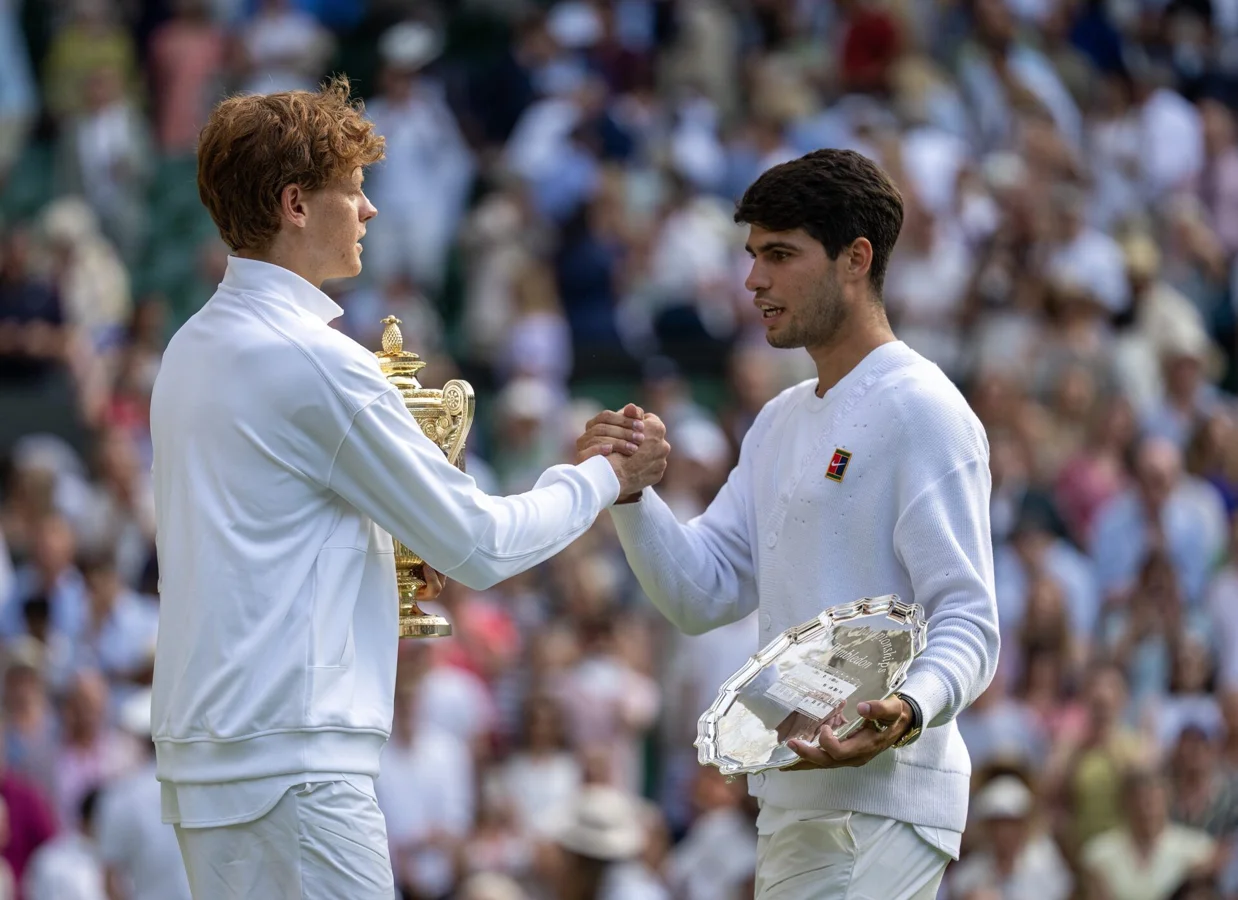

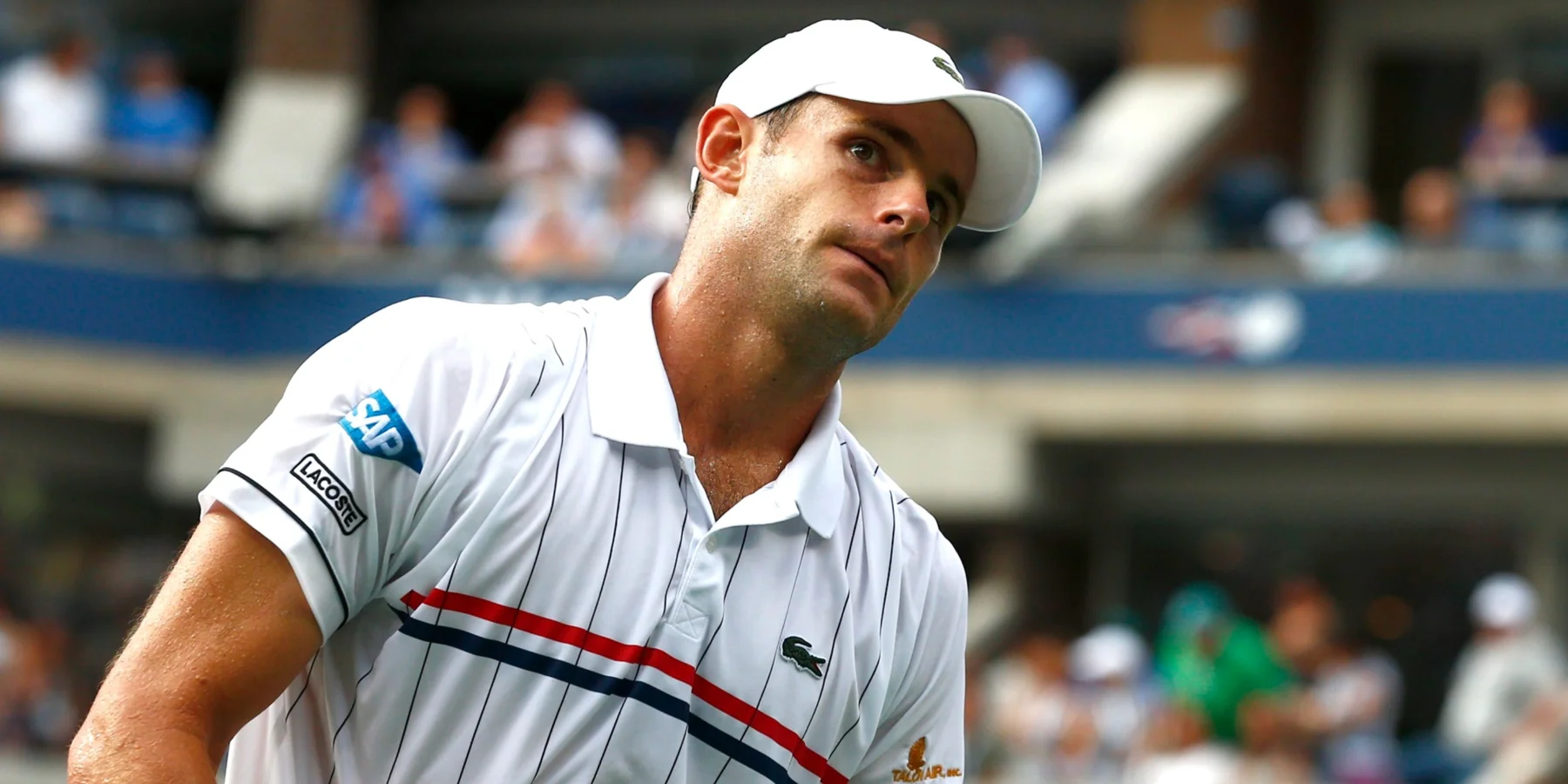
In the aftermath of Jannik Sinner’s significant victory over Carlos Alcaraz in the 2025 Wimbledon final, former player Andy Roddick shared his perspective on the key factors that shaped the match. On his podcast, Roddick focused on how Sinner’s pressure affected Alcaraz’s serving, especially during high-pressure points, providing a nuanced explanation beyond mere nerves or poor form. His insights reveal the strategic adjustments that forced Alcaraz into risky decisions throughout the contest.
On the Served podcast, Roddick argued that Alcaraz’s seven double faults were not accidental but a direct consequence of Sinner’s relentless threat on returns.
That’s because Sinner is forcing him to go bigger,
he explained, highlighting that Alcaraz had to increase the risk on his second serve to avoid facing even more aggressive returns. Roddick also pointed out how different Alcaraz’s serving would look against lower-caliber opponents:
Mike, if he was serving against you, he wouldn’t miss a second serve for a decade because he doesn’t have to.
This comparison underscored the elevated pressure at play during this top-level duel.
Roddick continued by emphasizing that Alcaraz’s aggressive serving strategy was a necessary gamble:
He’s not going to win points on second serve in this breaker unless he brings in an insane amount of risk.
This calculated risk-taking was driven by Sinner’s ability to control points early with precise returns and court positioning. Importantly, Roddick warned against oversimplifying these errors as mental lapses:
None of this stuff is accidental. People don’t miss just because they don’t know what they’re doing,
further adding,
We have to protect against that being the narrative.
Match Data Validates Roddick’s Assessment of Sinner’s Tactical Pressure
The Wimbledon final‘s statistics mirror Roddick’s analysis, illustrating how closely matched elite players push each other into difficult scenarios through skill and mental resilience. Both Sinner and Alcaraz are known for their adaptability, so the match often hinged on subtle tactical swings that forced momentary breakdowns in execution.
Alcaraz’s first-serve success rate significantly dropped to 53%, well below his usual performance, while his seven double faults stood out as uncharacteristic errors under pressure. Sinner’s aggressive return stance and quick anticipation continually disrupted Alcaraz’s rhythm, especially when the Spaniard was forced to rely on his second serve. This persistent pressure turned Alcaraz’s normally dependable serve into a vulnerability during crucial moments.
The statistics further highlight that Alcaraz won only 58% of points following his second serve, compared to Sinner’s 63%, reflecting Sinner’s effectiveness at seizing any opportunity. Sinner also created more break chances and succeeded in converting four, strategically using these moments to shift momentum and maintain control throughout the match.
Implications of Sinner’s Victory and Its Influence on Future Encounters
Andy Roddick’s analysis sheds light on why Sinner’s playing style was critical in dismantling Alcaraz’s usual strengths in this Wimbledon final. By applying pressure through aggressive returns and calculated risk inducement, Sinner forced his opponent into errors that proved decisive. This insight into elite match dynamics emphasizes how mental toughness and tactical astuteness combine to influence outcomes at the highest levels of tennis.
Looking ahead, this final is likely to influence how players approach service games against relentless returners. The emphasis on forcing opponents into uncomfortable shot choices under pressure may become a key strategic focus. Both Jannik Sinner and Carlos Alcaraz remain young stars with the potential for many future battles, each adjusting their tactics in response to lessons learned from such a gripping contest at Wimbledon.
Our Reader’s Queries
Q. Was Andy Roddick ever #1?
A. He won one of his five major finals, which helped him reach World No. 1 on November 3, 2003. However, he only held the top spot for 13 weeks because Roger Federer started to rise as one of tennis’s greatest players.