
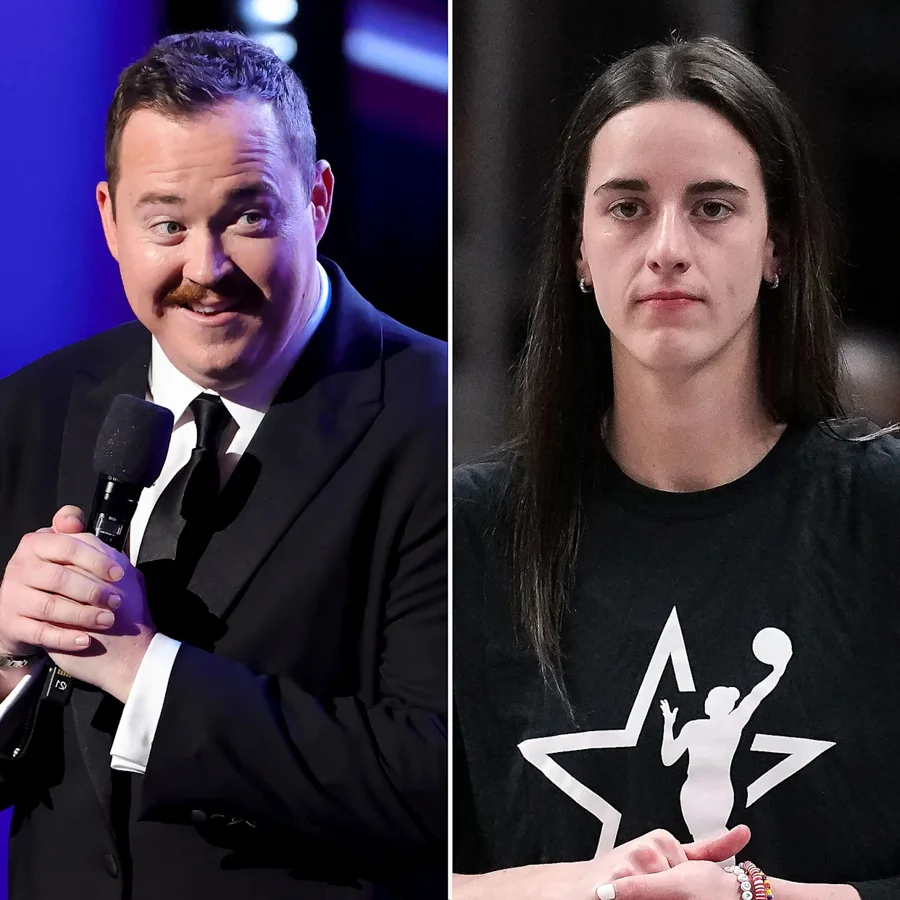

The 2025 ESPY Awards, held in Minneapolis, Minnesota, sparked heated reactions and criticism due to comedian Shane Gillis’s offensive joke about Indiana Fever guard Caitlin Clark. The incident drew widespread attention amid an unprecedented surge in popularity for women’s sports, particularly the WNBA. The “Caitlin Clark ESPY Awards controversy” centers on the disconnect between the actual impact Clark has made in women’s basketball and how some members of the media, including the ESPYs host, chose to address her presence—or absence—at the ceremony.
Gillis, known for his edgy and often provocative comedy style that has previously landed him in hot water, ignited backlash during his opening monologue with a joke that many deemed inappropriate and disrespectful. Clark, sidelined by injury, was the target of a jibe that provoked an uneasy mix of laughter and silence in the audience.
Host’s Remarks Draw Sharp Criticism for Insensitivity
Shane Gillis’s joke referenced Clark’s retirement and unconventionally linked it to working at a Waffle House so she could
“continue doing what she loves most: fist-fighting Black women.”
This comment immediately sparked outrage for its crude and racially insensitive undertones, casting a shadow over the awards night that was meant to celebrate athletic excellence.
Veteran ESPN writer Sarah Spain expressed pointed disapproval of the host’s approach, highlighting his failure to deliver clever or respectful humor about women athletes during a landmark year for women’s sports. Spain’s remarks emphasized that Gillis resorted to “hacky” stereotypes and repeatedly insulted Black women, amplifying concerns about the tone and direction of the ESPYs broadcast that year.
In a year of crazy growth for women’s sports choosing an ESPYs host who doesn’t even try to make clever jokes about women athletes (he at least *attempted* for the men) he goes with hacky no one knows the WNBA bits, Pinoe is a bad time & repeatedly insults Black women. COOL.— Sarah Spain (@SarahSpain) July 17, 2025
Awkward Presentation of Caitlin Clark’s Award Verst Opening New Debate
As the ceremony progressed, the tone failed to improve during the segment dedicated to Caitlin Clark’s award for Best Player in the WNBA. With Clark absent due to injury, four female ESPN analysts accepted the award on her behalf, but their muted ‘okay’ response struck viewers as a lack of genuine enthusiasm for one of the sport’s brightest stars.
This underwhelming moment was further complicated when analyst Ari Chambers made a puzzling comment, referring to Clark’s rise as a “villain origin story” and suggesting fans were intrigued by this persona. The statement seemed disconnected from how audiences widely perceive Clark as an inspiring, dynamic player breaking barriers in women’s basketball.
Her villain origin story has started, and she loves to play into it. Fans eat it right up.—Ari Chambers, ESPN Analyst
Chambers attempted to clarify on social media, vaguely linking Clark’s “fiery fierceness” to this narrative and even likening her, metaphorically, to the “daughter” of veteran star Diana Taurasi. Yet this explanation only deepened the confusion, leaving many questioning the appropriateness and accuracy of framing Clark’s character in such ambiguous terms.
Wider Implications for ESPN and Women’s Sports Representation
This chain of missteps at a high-profile event highlights a disconcerting estrangement between the major sports media outlet and the women’s sports community it claims to serve. Despite Caitlin Clark’s transformative role in boosting viewership and engagement for the WNBA, the ESPYs’ handling reflected missed opportunities and, arguably, a failure of tone and respect.
Clark’s meteoric rise has been central to driving new audiences to women’s basketball, revolutionizing how the sport is viewed nationally and inspiring millions of fans. Her influence extends beyond athleticism to fostering greater recognition and appreciation for women’s sports overall. Yet, the espoused “celebration” of this growth by the ESPYs felt incongruent with the moments of insensitivity, lackluster acknowledgment, and controversial humor seen during the event.
Experts and fans argue that the reluctance or inability of the ESPYs and its representatives to genuinely embrace Clark’s significance could alienate a rapidly expanding fan base that tunes in specifically for her performances. This disconnect raises important questions about the network’s awareness and commitment to authentically representing women athletes and the dynamic changes occurring within the sports world.
The Growing Momentum of Women’s Sports and Clark’s Impact
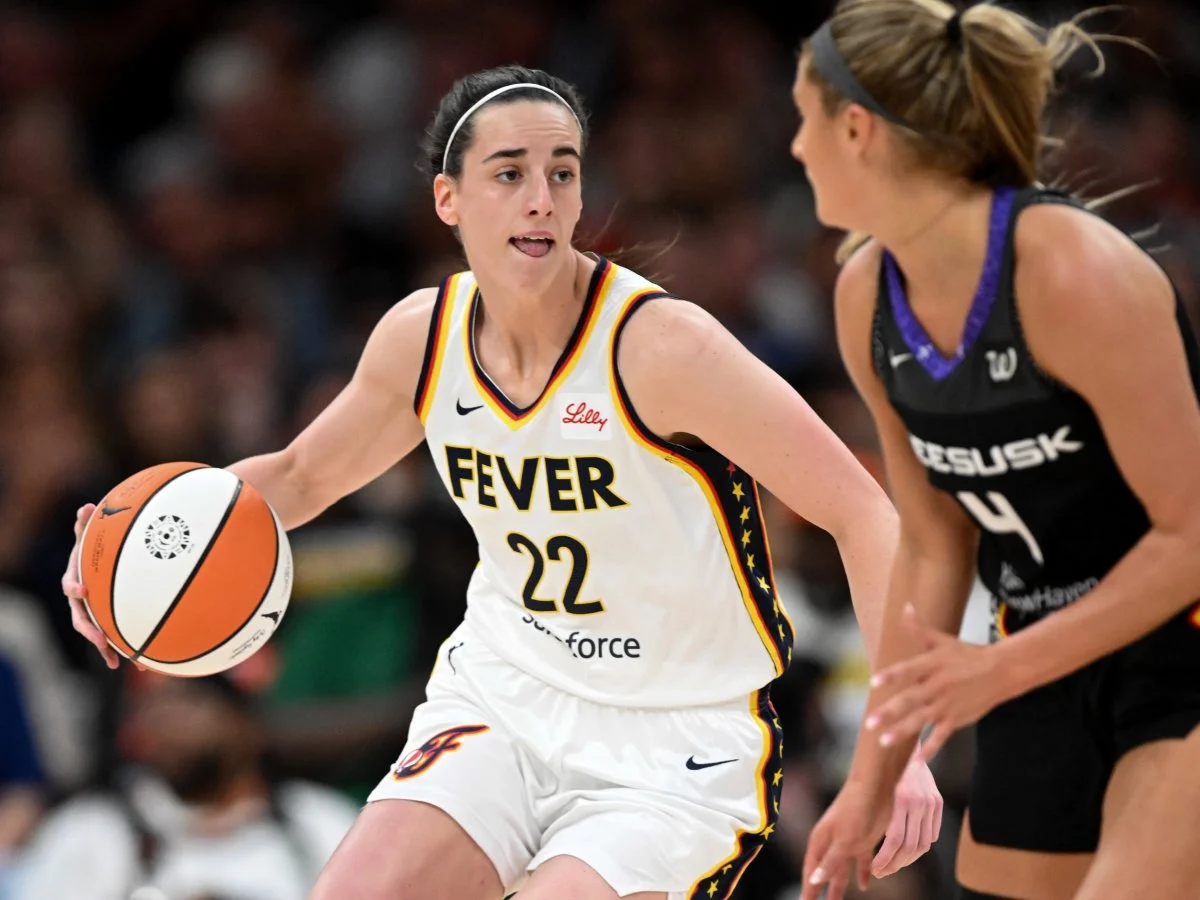
Throughout 2025, women’s basketball shattered previous viewership records, with Caitlin Clark serving as the centerpiece of this surge. The Indiana Fever guard’s exceptional skill, charisma, and competitive fire have captivated audiences nationwide, marking her as one of the most exciting figures in modern sports. Many credit Clark as the primary driver behind the newfound enthusiasm for the WNBA and the broader women’s sports movement.
Her impact extends beyond the court, symbolizing opportunities for future generations of female athletes seeking broader exposure and equitable treatment. As women’s sports continue to expand their reach and influence, moments like the ESPYs controversy spotlight the ongoing challenges media and institutions face in adequately adapting to this cultural shift.
What the ESPYs Must Do to Align With a Transforming Sports Landscape
For the ESPY Awards to maintain relevance and authority as a premier sports recognition platform, a major recalibration appears necessary. Avoiding outdated tropes and engaging in more consistent, respectful celebration of trailblazing athletes like Caitlin Clark is crucial. The backlash from this year’s ceremony acts as a stark warning that failure to evolve alongside the sports community’s values may have long-term reputational consequences.
With the surge of new fans explicitly drawn to women’s basketball and Caitlin Clark’s electrifying presence, ignoring this momentum risks isolating an audience segment instrumental in the WNBA’s and women’s sports overall rapid growth. Ensuring future award shows and media coverage genuinely reflect this enthusiasm will be key to sustaining and expanding the sport’s success.
The debate sparked by the “Caitlin Clark ESPY Awards controversy” is likely to drive further discussions around how women athletes are portrayed in mainstream sport media, highlighting the urgent need for sensitivity, inclusivity, and authentic celebration of their achievements. As women’s sports build on this breakthrough period, media outlets must recognize and adapt to the changing landscape or face growing criticism and diminishing influence.