
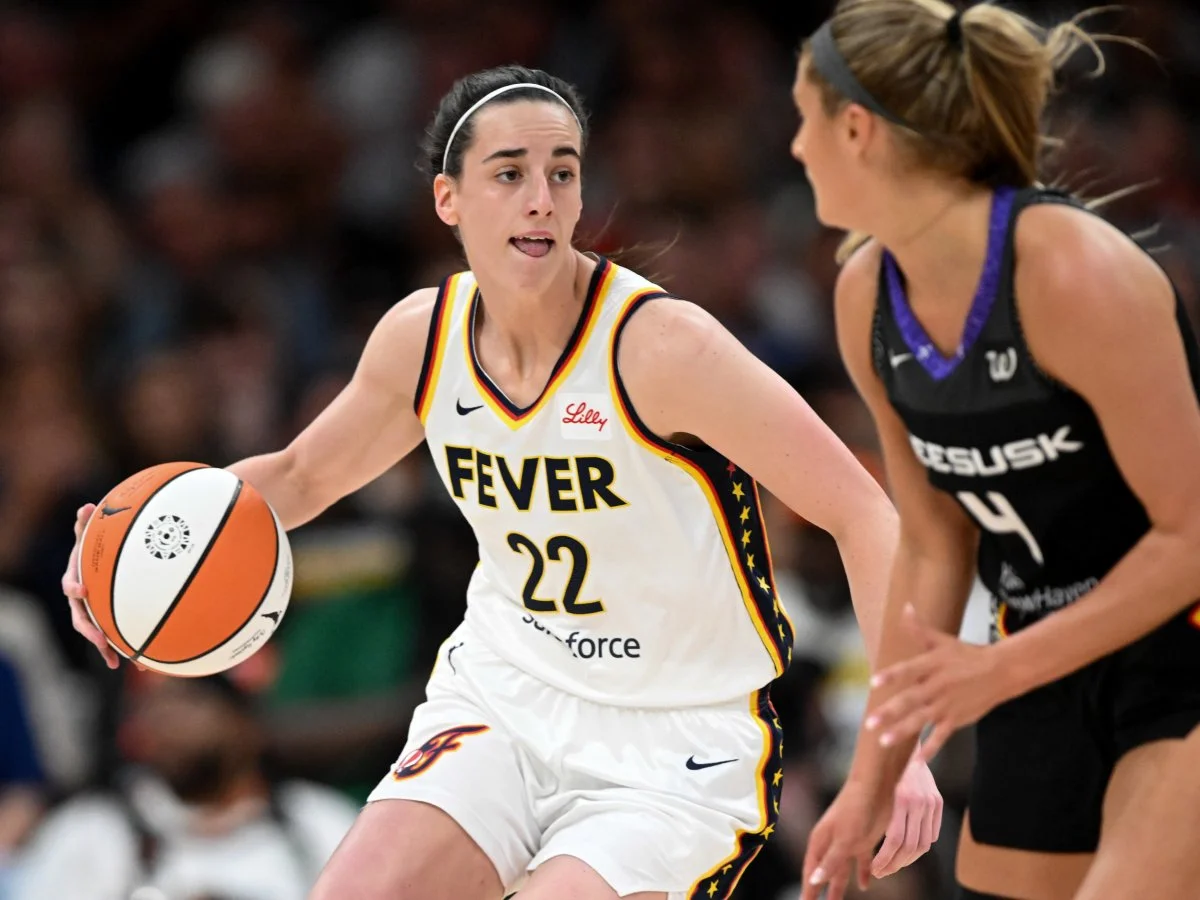

Caitlin Clark has significantly contributed to the WNBA’s expanding popularity and visibility, becoming a central figure in the league’s growth. However, her rising profile has also generated a complicated mix of reactions, including animosity from some WNBA players, prompting analysis from women’s sports writer Howard Megdal during a recent episode of the Awful Announcing Podcast. Megdal addressed the layered reasons behind the tension Clark faces, connected to both the league’s competitive environment and media dynamics.
Multiple Factors Behind Player Animosity Towards Clark
While Clark’s influence has brought excitement to fans and the publicity the WNBA craves, many players reportedly view her presence differently. Some media narratives suggest jealousy from peers, while others point to outright hostility, especially from players like Angel Reese. Howard Megdal argues that reducing this to a single cause oversimplifies the issue. Instead, he emphasizes a confluence of elements: the league’s intense competitiveness combined with persistent media focus on Clark during interviews and postgame interactions.
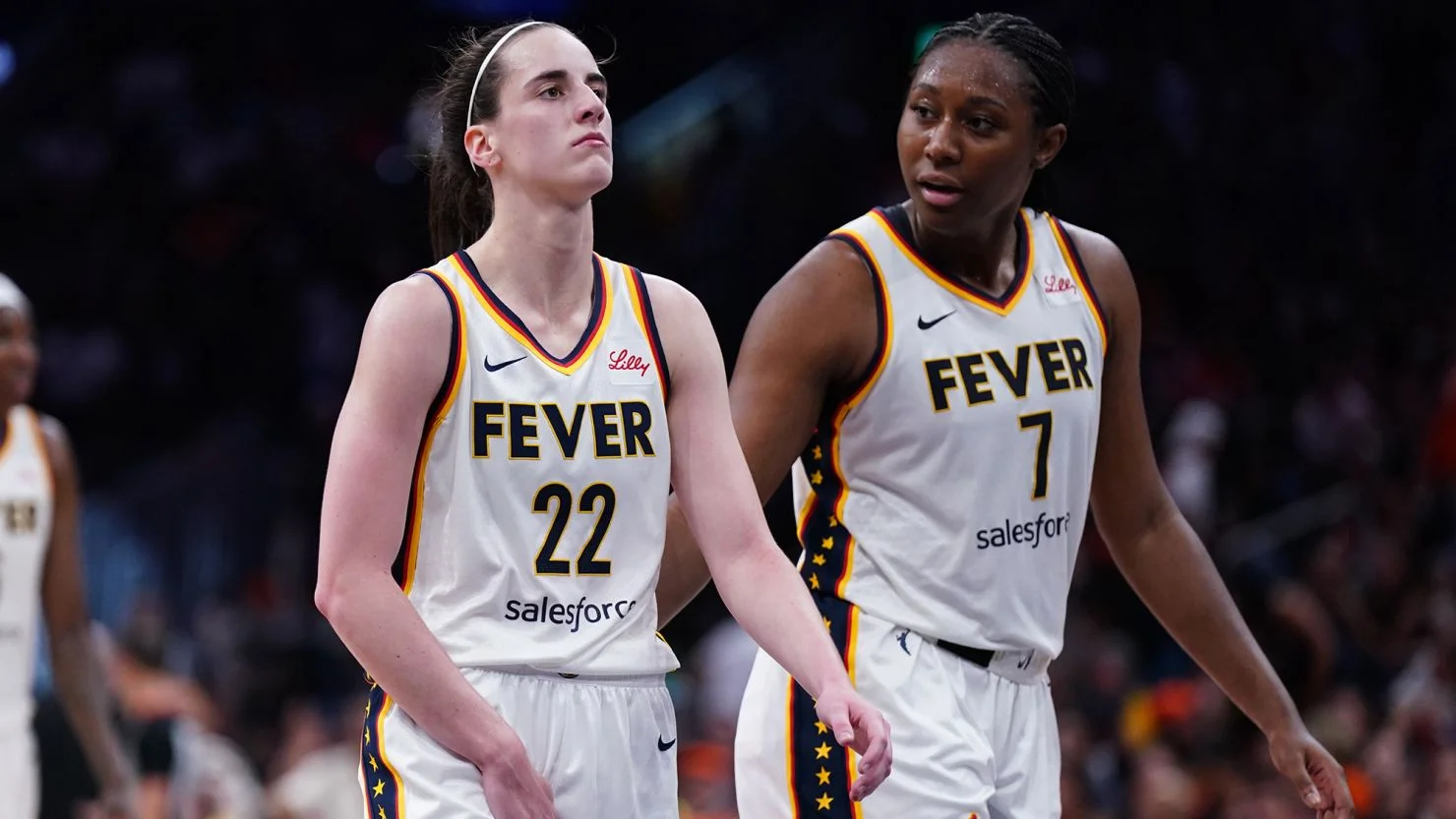
Megdal explains how these factors create an environment where players’ feelings are complex and sometimes contradictory. He notes that questions posed by journalists shortly after players finish tough contests against Clark and others, such as Aliyah Boston and Kelsey Mitchell, do not always align with the players’ immediate emotions.
“The conversation is so one-dimensional for some folks,”
Megdal said.
“There is this idea that the WNBA players can either be uniformly grateful and excited that Caitlin Clark has helped supercharge growth. Or, they can hate Caitlin Clark and want her to leave the league. And of course, the answer is neither of those things. These are the most competitive and best players in the world. So, at the same time, you can say that, ‘I am delighted that 17,000 people are watching me play when I go to Indiana.’ And be excited about the popularity and growth of the WNBA.”
—Howard Megdal
He further shared how players might not feel enthusiastic about Clark moments after competing fiercely on the court:
“And at the same time, when we come in to talk to folks ten minutes after a game has ended. You just had to battle against Caitlin Clark, and Aliyah Boston, and Kelsey Mitchell for 40 minutes. Only to come in and (hear), ‘Oh, are you thrilled about Caitlin Clark being in the league?’ Well, probably not at that moment. Probably not at a moment where you had to battle. Maybe at shootaround, when you have answered your 100th question about Caitlin Clark, who is not even on your own team.”
—Howard Megdal
Megdal recognizes this duality of emotions, describing it as a natural outcome of competing at the highest level while navigating boosted media scrutiny.
“You are gonna be excited if the media rights deal means that salaries are gonna go up exponentially. But maybe that wasn’t the most exciting thing to do at 10:30 in the morning. And again, I understand why these questions are asked. But it’s the duality of people who can contain multitudes.”
—Howard Megdal
Comparing Clark’s Experience With Historical Sports Rivalries
For newer WNBA fans observing animosity toward Caitlin Clark, Megdal suggests their surprise may stem from not having witnessed similar tensions in women’s sports before. He compares Clark’s early challenges to those faced by Michael Jordan during the 1980s, when the “Bad Boy” Detroit Pistons famously targeted him, relating the treatment to a competitive playbook designed to disrupt dominance.
Reflecting on generational perspectives, Megdal said,
“I think there are some people who may be new to the league who may be surprised about it. There are some people who may be measuring it in a gendered way. I am 45. So I grew up on the Jordan Rules and have seen the way Michael Jordan was treated in the NBA through the mid-to-late 1980s. It looks like a very similar playbook to the way Caitlin Clark has been treated in the WNBA over the first couple of years as well. So, I don’t necessarily think it’s one thing or the other. We all need to live in the gray area. And I think in our online culture, we are trying to find the one applicable thing.”
—Howard Megdal
However, Megdal points out a crucial distinction between Clark’s situation and Jordan’s: the omnipresence of social media today intensifies scrutiny and magnifies every interaction Clark endures. This continuous spotlight adds a unique layer of pressure not present during Jordan’s early career.
Challenges Faced by the WNBA as the League Expands
The WNBA’s growing popularity brings a corresponding rise in the intensity of discussions around race, gender, and social issues within its fan base, particularly on social media platforms. Megdal highlights the league’s responsibility to protect its players from the often harsh backlash linked to these divisions.
He emphasized the contextual difficulties in today’s cultural landscape, saying,
“It’s all fascinating, right? There is the fact that it’s happening within 2025 America, and so that carries with it, its own burdens of the racial element, the gendered element, an empowering of women element. The fact that whenever there has been growth in women’s sports, and frankly any sort of feminist growth as a whole, there is always backlash. The reason why it’s less surprising is that every time you see women’s basketball grow in this country, there is a backlash to it. The pushback is always deliberate. And it’s something that we’re definitely gonna have to keep a close eye on now and going forward.”
—Howard Megdal
Noting the limits of controlling social media negativity, Megdal stressed the importance of establishing firm standards within the league itself:
“I don’t think you can proactively do a ton. I think you can make sure that there is a zero tolerance policy. Is someone is coming into the WNBA space and spouting racist things, you make sure they are thrown out of the game and make sure they don’t come back. With social media, I don’t think anyone has figured out how to fix that. But you simply make sure and take whatever tools are at your disposal to protect going forward.”
—Howard Megdal
The Ongoing Evolution of the WNBA Amid Controversy and Growth
As the WNBA continues to expand its footprint, the league confronts the dual reality of rising enthusiasm alongside increasing controversy. Although the competitive tensions and social media-driven conflicts present challenges, the league now showcases one of its strongest on-court products. The heightened media attention and fan interest surrounding Caitlin Clark and her peers signal a pivotal moment for women’s basketball, even if it means facing difficult internal dynamics.
The evolution of the WNBA amid such complexities illustrates how sport at this level inherently involves conflict alongside progress, and how the league’s future depends on balancing competitive intensity with a supportive environment for all players.
Our Reader’s Queries
Q. Was Caitlin Clark with Taylor Swift at the Chiefs game?
A. Reese, like the entire Chicago Sky team, has been doing much better recently. The former star from LSU Tigers and Maryland Terrapins has achieved eight consecutive double-doubles. She is currently making 43.4 percent of her shots. Additionally, Reese is the top rebounder in the WNBA.
Q. Was Caitlin Clark sitting with Taylor Swift at the game?
A. In a private room at Arrowhead Stadium, the two women sat together and watched as the Chiefs beat the Houston Texans in their first playoff match.
Q. Why is Caitlin Clark sitting with Taylor Swift at the game?
A. Swift was spotted sitting next to WNBA player Caitlin Clark at the Chiefs’ home game against the Houston Texans. Clark was in Swift’s suite just after sharing that the singer invited her to attend a Chiefs game.
Q. What did Taylor Swift give Caitlin Clark?
A. Taylor Swift gifted Caitlin Clark all the T-shirts and sweatshirts from her Eras Tour. During Caitlin’s visit to the 2024 Eras Tour in Indianapolis, Taylor ensured she got four bags of tour merchandise.