
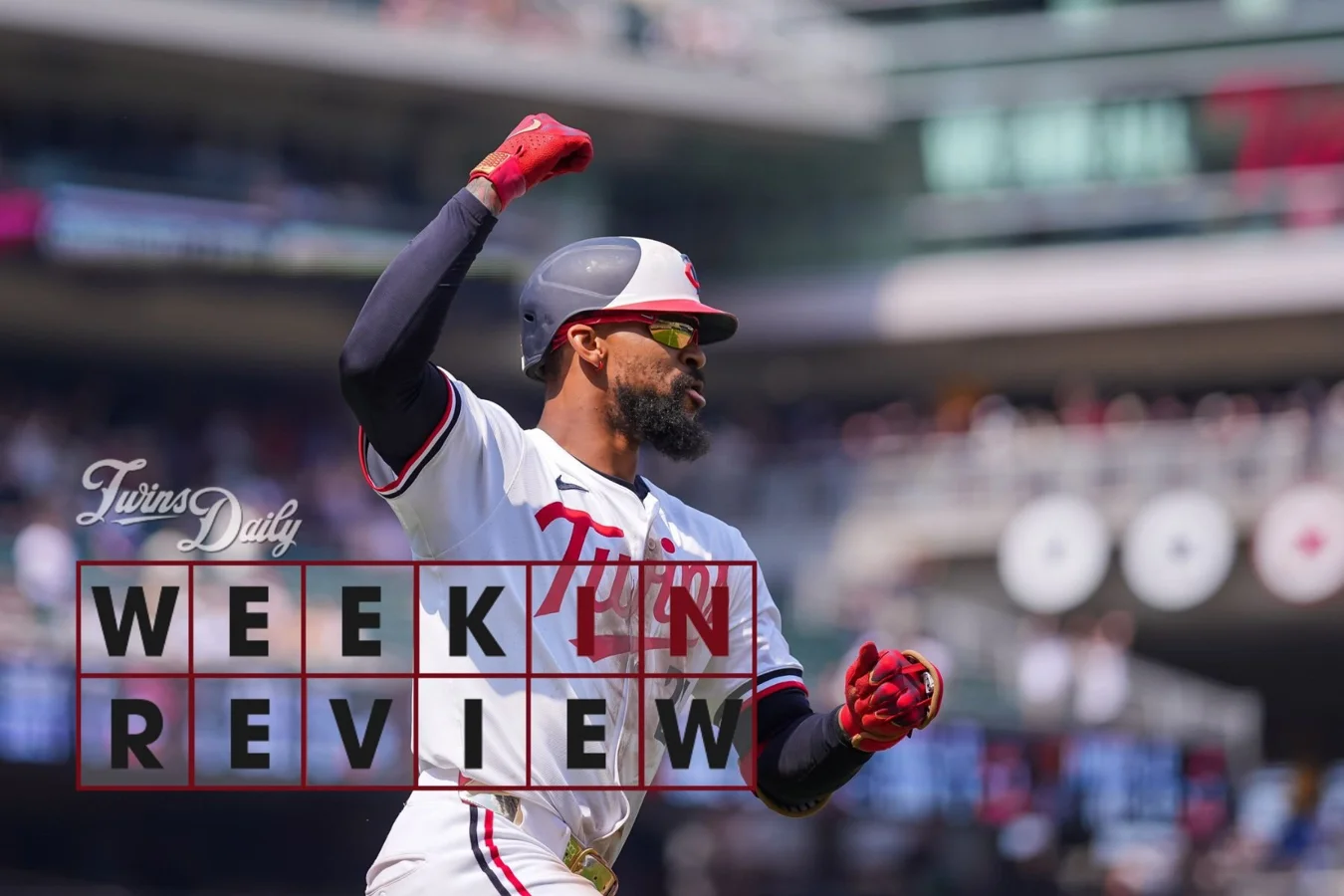

Carlos Correa and Julio Rodríguez, two of Major League Baseball’s most dynamic offensive talents, have not met expectations during the first half of the 2025 season. Both players, known for their productive hitting, have underperformed offensively, prompting close observation as their teams rely on a second-half resurgence to improve postseason prospects. This article analyzes Correa’s offensive struggles and Rodríguez’s moderate slump, focusing on the adjustments needed for a second-half turnaround.
Detailed Review of Carlos Correa’s Decreased Offensive Output
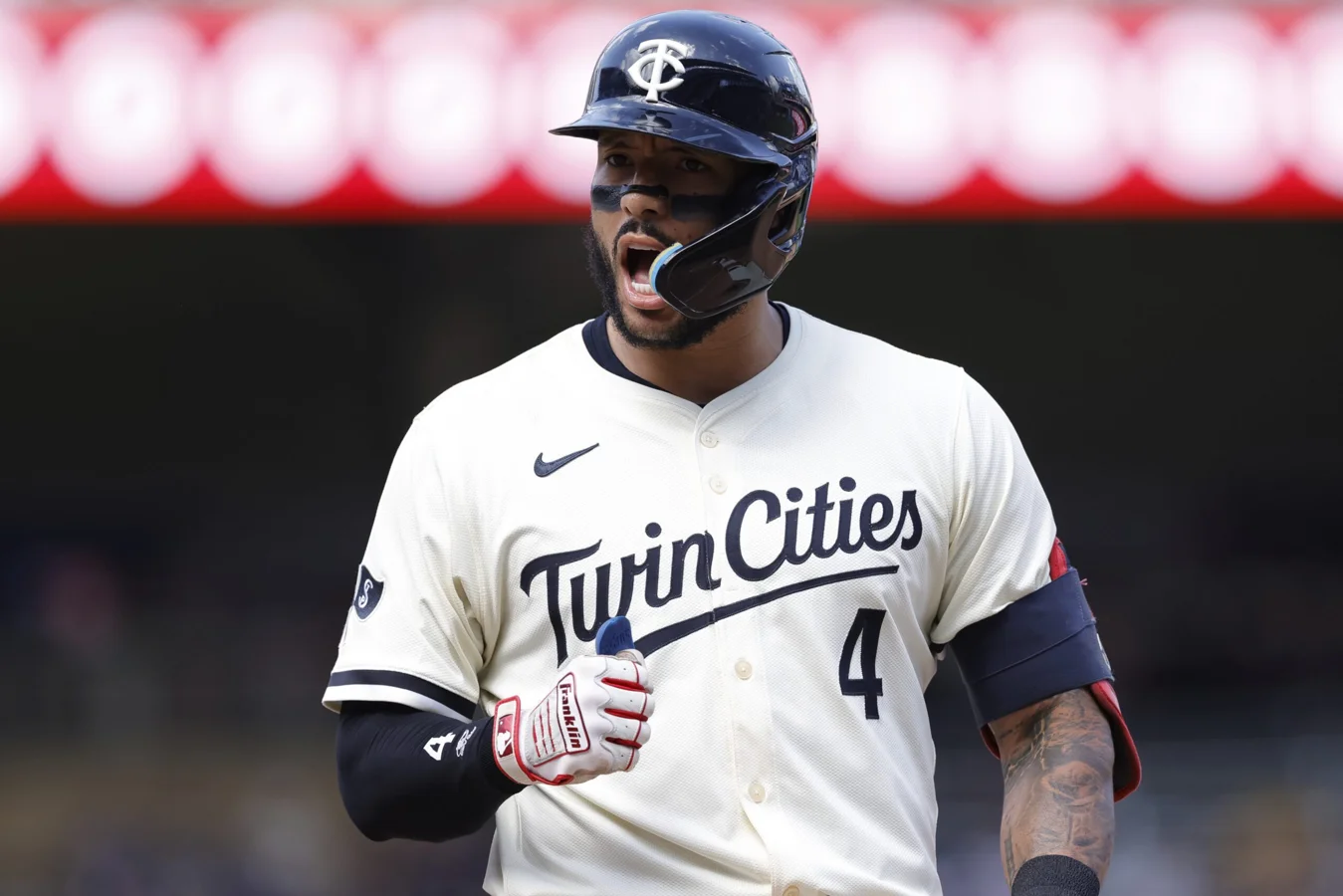
Minnesota Twins shortstop Carlos Correa entered 2025 with high hopes following a strong 2024 season in which he posted a 155 weighted runs created plus (wRC+) over 367 plate appearances across 86 games. Healthy for most of the year except for a recent ankle injury, Correa’s current offensive numbers are far from the anticipated all-star level. After 322 plate appearances this season, Correa holds a 93 wRC+, significantly below preseason predictions.
Projection systems had ambitious forecasts for Correa’s 2025 campaign. Steamer projected a 127 wRC+, THE BAT X estimated 123 wRC+, and OOPSY offered an even higher projection of 134 wRC+. However, these projections have been adjusted downward throughout the season, suggesting that while Correa remains above average, he has not sustained elite offensive performance expected of a top shortstop in the league.
Underlying Factors Behind Correa’s Regression at the Plate
Process+ metrics reveal a concerning trend for Correa compared to 2024. His Decision+ score, reflecting swing decision quality, dropped from 98 to 89, and his Power+ grade decreased from 106 to 94. Contact ability remained relatively stable. The decline in swing decision ability is largely attributed to an increased chase rate—Correa’s swings at pitches outside the strike zone have risen from 25.5% in 2024 to 31.6% this season. Additionally, his overall swing rate climbed from 44.6% to 47.7%, signaling a more aggressive approach.
Two possible explanations for this shift include Correa pressing at the plate, attempting to force better production by swinging more, which is typical when players try to exit slumps, and possible struggling with pitch recognition. Notably, Correa is swinging more this season than any other point in his career, intensifying concerns about his plate discipline. As one analyst observed,
“swing their way out of it”
represents this approach of increased aggressiveness during offensive slumps.
Another critical challenge for Correa has been difficulty tracking and reacting to sliders. Heat maps indicate a rise in swings at out-of-zone sliders, particularly low-and-away pitches. This has inflated his whiff rate against sliders to 40.4% in 2025, compared to 25% the previous year. Whether this is a result of pressing or genuine difficulty tracking the movement is uncertain, but pitching staffs could exploit this vulnerability with increased slider usage, currently at a modest 17.5% of pitches faced by Correa in 2025.
Power Drop Linked to Shift in Ball Contact Profile
Correa’s power has diminished alongside his swing decision struggles. His isolated power (ISO) dropped sharply from .207 in 2024 to .125 this season, and his barrel percentage decreased from 9.1% to 6.2%. Despite these declines, his exit velocity on contact remains largely consistent, shifting slightly from 102.5 mph to 102.2 mph. The main culprit for the reduced power appears to be a decreased air ball rate. Correa has hit 51.5% of balls in the air this season, down from 55.7% in 2024, indicating more ground balls and thus less power output.
Interestingly, Correa’s swing path tilt and attack angle have increased, a pattern that usually leads to more air balls. The contradictory decline in air balls may be related to his tendency to chase pitches outside the strike zone, resulting in poorer quality contact. When focusing solely on pitches located in the zone, Correa’s average launch angle remains steady at nine degrees, yet his in-zone barrel rate has dropped notably from 11.8% to 7.8%, reinforcing the notion that improved plate discipline could enhance his power production.
Path to Recovery for Correa’s Offensive Performance
To reverse course, Correa must regain his previous level of swing decision ability, especially against sliders. This adjustment would be critical for improving his offensive effectiveness in the latter half of 2025. Swing decision skills tend to sharpen with experience, suggesting this slump may be temporary rather than evidence of irreversible decline. However, expecting a full correction midseason may be overly optimistic. Access to advanced training tools, such as Trajekt, might aid Correa in better tracking pitches like sliders during batting practice, potentially expediting improvement. Despite this, projections tend to be cautious regarding Correa’s offensive output for the remainder of the year.
Julio Rodríguez’s Offensive Performance and Signs of Progress
Seattle Mariners center fielder Julio Rodríguez has captivated fans with his combination of premium defense and power, establishing himself as a franchise centerpiece. Despite the Mariners’ current postseason contention boosted by contributions from Cal Raleigh, J.P. Crawford, and Randy Arozarena, Rodríguez has not yet reached his projected offensive levels in 2025. Through 431 plate appearances, Rodríguez is posting a 110 wRC+, below the projections from Steamer (137 wRC+), THE BAT X (135 wRC+), and OOPSY (145 wRC+).
Encouragingly, Rodríguez has recently shown signs of offensive resurgence, homering in each of his last three games before the All-Star break. Projection models anticipate that this hot streak could signal a more productive second half moving forward.
Analyzing Rodríguez’s Plate Discipline and Contact Adjustments
Rodríguez’s Process+ grades indicate improvement in swing decision ability, increasing from 82 to 98, though his contact and power metrics have declined during the early part of 2025. His overall swing rate remains high at 55.7%, comfortably above the league average, but his chase rate has slightly improved from 36% to 35.1%. This improvement is reflected in a reduced strikeout rate, down from 25.4% in 2024 to 21.6% this year.
Similar to Correa, Rodríguez is hitting more ground balls, with his Air% falling from 55.4% to 49.7%, contributing to a decline in his barrel rate from 10.2% to 7.9%. Moreover, his pull air rate dropped from 16.2% in 2024 to 12.9%, underscoring difficulties in producing optimal batted ball profiles for power. Data shows Rodríguez’s average intercept point, where the bat meets the ball, has shifted deeper inside the strike zone. This change correlates with a flatter attack angle, which fell from 8 degrees to 7 degrees, resulting in more grounders rather than fly balls.
Rodríguez’s Bat Speed Remains an Offensive Asset
One of Rodríguez’s most valuable tools, his exceptional bat speed, is still intact. Over 750 competitive swings this season, he has averaged 75.8 mph bat speed, ranking among the fastest in the majors. Bat speed is a strong predictor of offensive success and provides a stable foundation for power production. While Rodríguez’s bat speed has slowly declined over the past three seasons, part of this change is tied to his altered intercept point rather than a loss of raw bat speed. Contact made closer to the pitcher allows more time to accelerate the bat, thereby increasing measured speed.
Now entering his fourth season, Rodríguez fits the archetype of a high bat speed, high chase, and high strikeout player. Despite inconsistency, this profile has the potential to produce MVP-caliber seasons, especially when combined with his defensive excellence in center field.
Outlook for Rodríguez’s Offensive Improvement
Given his recent improvement in swing decision quality and his sustained bat speed, Rodríguez appears well positioned for a second-half offensive uptick. Adjusting his intercept point slightly closer to the pitcher to increase fly ball contact should enhance his power output. With these tweaks, Rodríguez could approach a 130 wRC+ over the remainder of the season, which would significantly strengthen Seattle’s lineup down the stretch.
2025 Season Statistics Through July 13
The statistics referenced in this analysis reflect performance through the end of play on July 13, 2025.