
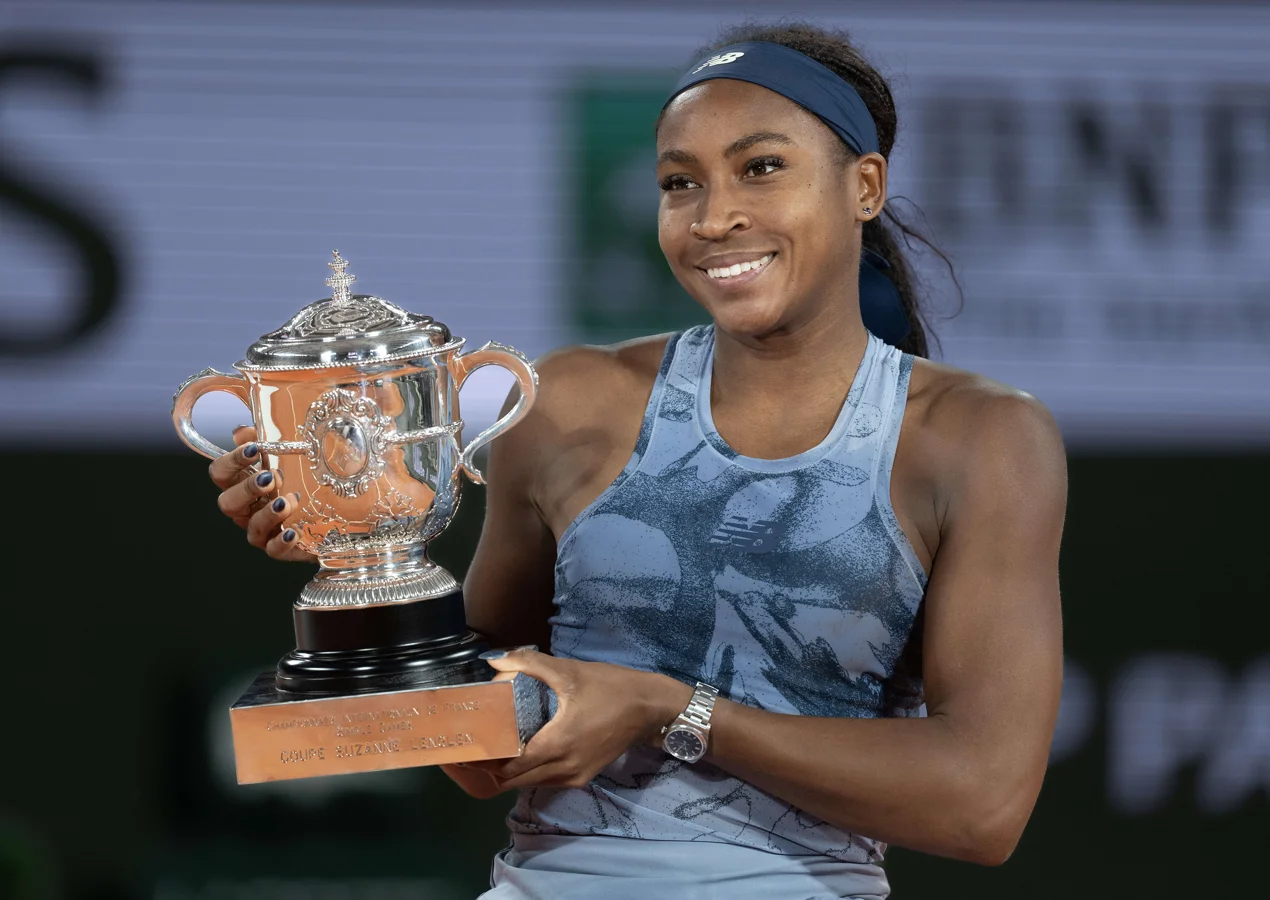

The landscape of women’s tennis has dramatically shifted with the rise of Coco Gauff, whose fierce competitiveness and youthfulness are reshaping the sport. Alongside contemporaries like Iga Swiatek and Aryna Sabalenka, Gauff is part of a formidable new generation that is dominating women’s tennis in an unprecedented manner, sparking widespread attention and discussion about the sport’s direction.
Iga Swiatek’s Landmark Wimbledon Triumph and Its Implications
In a remarkable achievement, Iga Swiatek clinched her first Wimbledon championship, becoming the first Polish player to win the title during the Open Era. Her swift victory in the final, which lasted only 57 minutes, showcased her exceptional skill on grass courts and reinforced her status among tennis’s elite. This milestone has also intensified debates regarding the structure of women’s matches, with some advocating for best-of-five sets to introduce more endurance and competitiveness.
Predictions and Superstitions Surrounding Women’s Tennis Champions
Andrea Petkovic, a former world No. 9, had foreseen Swiatek’s triumph, recounting an unusual event where a falcon flew over the court during one of Swiatek’s matches, which she took as an omen of victory. This prediction came true and has fueled conversations about the emerging dominance of Gauff, Swiatek, and Sabalenka and the growing fascination with their rise.
Challenges Facing Women’s Tennis Beyond the Court
Despite the extraordinary accomplishments of this trio, there are ongoing concerns about the recognition and valuation of women’s tennis compared to the men’s game. The tremendous achievements of Gauff, Swiatek, and Sabalenka, including multiple Grand Slam titles, have not always translated into equal respect or media attention. This imbalance has prompted calls for a reassessment of women’s tennis’s standing within the broader sporting world.
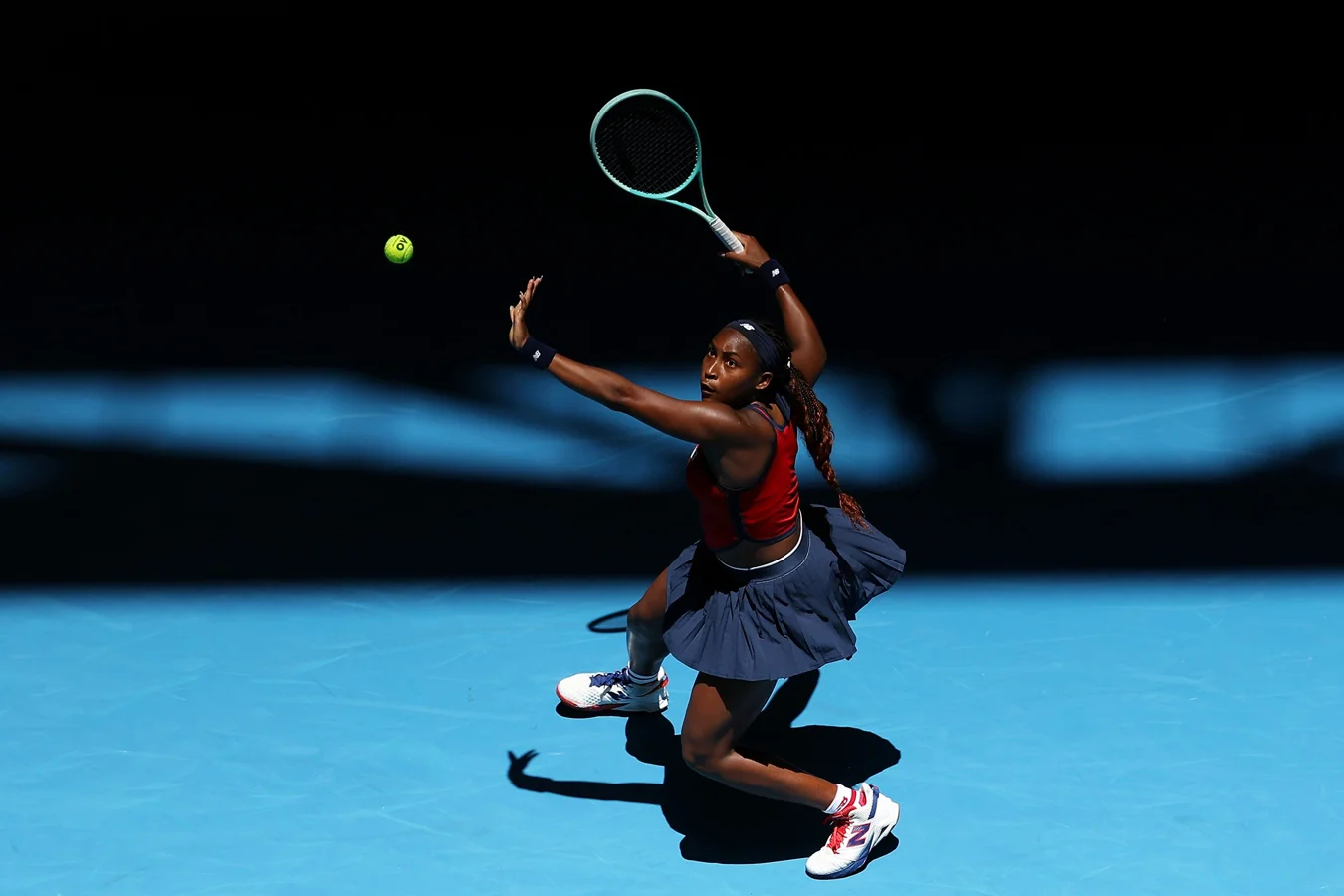
The Debate Over Match Formats and Future Directions
Swiatek’s quick Wimbledon final has intensified discussions about the format of women’s tennis matches. Advocates for extending women’s matches to best-of-five sets argue that it would add a physical challenge in line with the men’s game and potentially reduce lopsided results. This debate reflects a broader concern about enhancing competitiveness and fan engagement in women’s tennis.
The Shifting Narrative Around Young Tennis Stars
As the era led by Coco Gauff and her peers develops, the story of women’s tennis is being rewritten. Though these young stars are undeniably impressive, the conversation about the sport’s evolution encompasses both the opportunities presented by new talent and the challenges that women’s tennis must confront to rise further in global popularity and commercial success.
Coco Gauff’s Journey and Achievements in Professional Tennis
Cori Dionne “Coco” Gauff, born March 13, 2004, is an American tennis prodigy who has quickly established herself among the top players worldwide. She reached a career-high singles ranking of No. 4 in October 2022 and attained the world No. 1 position in doubles earlier that same year. Gauff’s breakthrough came when, at just 15 years and 7 months old, she won the 2019 Linz Open, becoming the youngest WTA singles titleholder since 2004.
Her rise began with a stunning victory over seven-time Grand Slam champion Venus Williams at Wimbledon in 2019. Born into an athletic family with NCAA Division I backgrounds, Gauff initially tried various sports but ultimately chose tennis, inspired especially by the Williams sisters. Her early training included a sponsorship to train at Patrick Mouratoglou’s academy in France, where she honed her skills among top juniors.
Gauff excelled on the junior circuit, finishing as runner-up at the 2017 US Open juniors at just 13 years old, becoming the youngest finalist in its history. She ascended to No. 1 in junior rankings after winning the 2018 French Open junior title and also secured a junior Grand Slam doubles title at the 2018 US Open alongside Caty McNally.
Making her WTA Tour debut in 2019 at the Miami Open, Gauff won her first match and soon showcased her talent by becoming the youngest qualifier in Wimbledon history, reaching the fourth round. Her matches routinely drew the highest U.S. viewership during the tournament’s first week. By the 2021 US Open, she reached her first major doubles final and followed that with a singles final at the 2022 French Open. Her recent results include quarterfinals at the Australian Open, a semifinal at the French Open, runner-up at Wimbledon, and a US Open championship. With a current top 10 ranking and over $2.8 million in prize money for the season, Gauff has recorded a 15-8 head-to-head record against top players and accumulated a total of 12 career Grand Slam titles across singles and doubles.
What This Means for the Future of Women’s Tennis
The rise of Coco Gauff and her leading contemporaries like Iga Swiatek and Aryna Sabalenka illustrates a powerful shift in women’s tennis, highlighting both vibrant talent and serious challenges. Their success is renewing enthusiasm for the sport but also underscoring ongoing debates about formats, recognition, and growth. The ongoing transformation in women’s tennis promises to shape the sport’s future, with these young champions at the forefront of both its achievements and its evolving narrative.
“It was a sign of victory, a falcon flying over the court — and she backed that prediction with an incredible performance.” —Andrea Petkovic, former world No. 9
Our Reader’s Queries
Q. Is Coco Gauff a millionaire?
A. Coco Gauff is a teenager who has made millions of dollars. This young tennis star both earns and spends money in various ways. She became a Grand Slam winner by securing the title at the 2023 US Open. At 19 years old, Gauff will earn an extra $3 million from her win in New York City.
Q. Does Coco Gauff have a degree?
A. Congratulations to Coco Gauff on finishing high school! She earned her diploma from the Florida Department of Education through Florida Virtual Flex. At 18, she balanced her studies with building a successful tennis career over the past four years.