
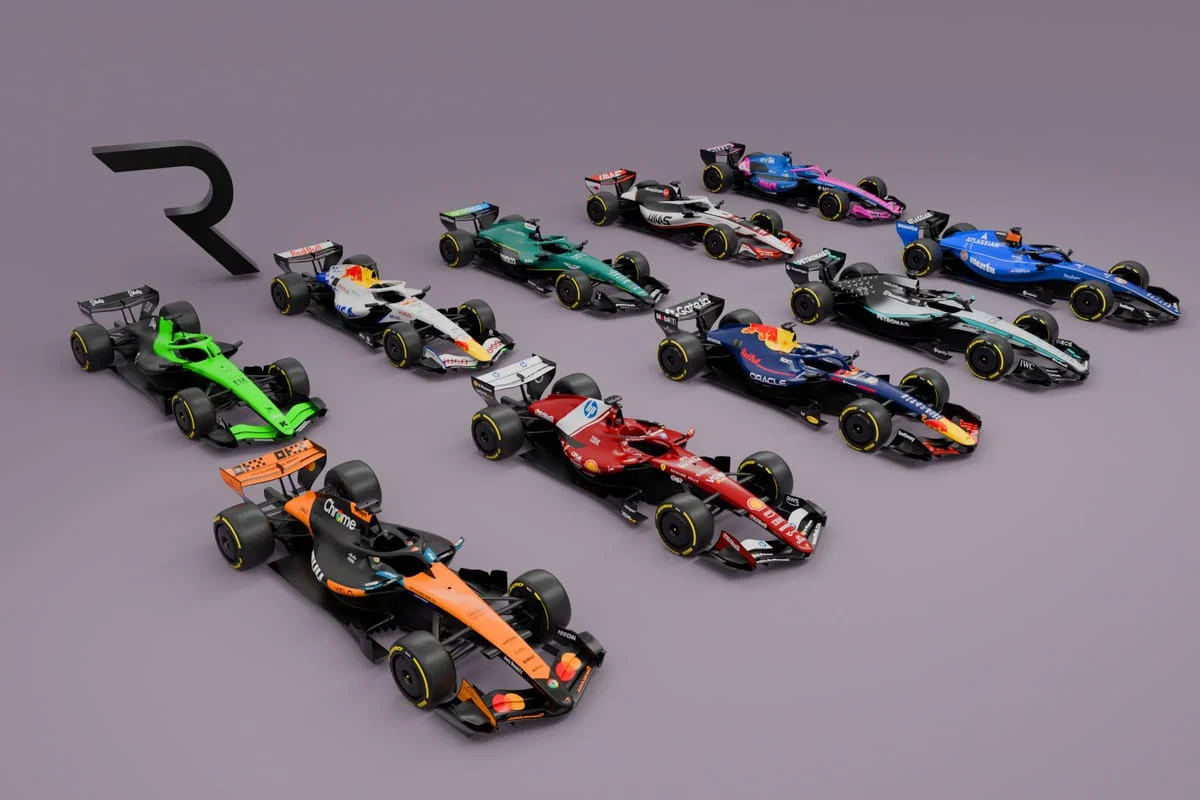

The Formula 1 community is preparing for a significant shift in 2026 as the FIA rolls out innovative regulations designed to foster competitive balance without relying on Balance of Performance (BoP) measures. These F1 2026 competitive regulation changes aim to prevent one team from dominating the championship, addressing concerns based on the Mercedes era of the hybrid period, where repeated victories created concerns of prolonged supremacy.
Lessons from Mercedes’ Hybrid Era Domination
The introduction of hybrid power units in 2014 revolutionized Formula 1, with Mercedes establishing itself as the dominant team by engineering superior power units that secured numerous titles over seven consecutive years. This era’s long-lasting dominance exposed the challenges faced by rivals such as Renault, Ferrari, and Honda, who required years to close the competitive gap. With the new 2026 regulations, the FIA is focused on avoiding a repeat of that uneven competition.
Mechanisms to Support Teams Falling Behind
One of the key regulatory measures allows manufacturers who are more than 3% behind the leading power unit after the first five races to access additional development opportunities. Combined with the existing budget cap and a performance development scale inversely related to success, these provisions are intended to speed up the recovery of teams trailing behind. This framework expects to prevent any single team from maintaining a runaway lead over the season by enabling closer contestation.
Rejecting Artificial Performance Equalizers in Favor of Structural Solutions
Nikolas Tombazis, FIA’s Monoposto Director, stressed that Formula 1 does not intend to adopt Balance of Performance systems, which are common in series with heterogeneous cars like GT racing. Instead, F1 will address performance gaps through structural means such as budget limits and aerodynamic testing restrictions. This strategy is aimed at allowing lesser-resourced or newer teams to compete on a more level playing field without compromising the authenticity of racing competition.
“F1 is not in need of such artificial equalizers.” —Nikolas Tombazis, FIA Monoposto Director
Ensuring Fairness Without Undermining Competitiveness
Tombazis also emphasized that the regulations are designed to reduce entrenched advantages held by well-established teams without encouraging poor performance. The FIA plans to monitor these measures carefully to guarantee no manufacturer is left permanently disadvantaged. The debate around potential BoP measures has already caused divisions within the paddock, underscoring their contentious nature and unsuitability for F1’s competitive spirit.
“The mere suggestion of a BoP system has already sparked controversy within the teams, indicating its divisive nature and unsuitability for F1 competition.” —Nikolas Tombazis, FIA Monoposto Director
Preparing for a Competitive and Exciting 2026 Championship
As the 2026 season approaches, anticipation builds for an intense contest driven by innovation, strategy, and driving skill. The FIA’s commitment to the newly introduced regulations highlights their intent to sustain Formula 1’s core values while promoting a more level and thrilling racing environment. This balanced regulatory approach is expected to encourage tighter battles on track, enhancing the spectacle for fans worldwide.
Our Reader’s Queries
Q. Is number 13 banned in F1?
A. Yes, the number 13 is permitted. Pastor Maldonado chose #13 when the permanent number system started in 2014. Although some cultures see it as unlucky, Formula 1 lets drivers decide.
Q. Which F1 driver has ADHD?
A. Lewis Hamilton, born in 1985, is a British Formula One driver for Mercedes. Previously, he drove for McLaren. He openly shares his experiences with ADHD and talks about his various interests and passions.
Q. Is 69 allowed in F1?
A. Drivers can pick a permanent number between 0 and 99, except for 1. Only the World Drivers’ Champion can choose to use number 1 if they want, but it’s not mandatory.
Q. Which F1 drivers have ADHD?
A. Lewis Hamilton, born in 1985, is a British race car driver in Formula One. He currently races for Mercedes and has previously driven for McLaren. He openly shares his experiences living with ADHD and explores his wide range of interests and passions.