Jonathan Kuminga and Steve Kerr's conflict intensifies; tension threatens Warriors' stability amid offseason challenges.
The ongoing friction between Jonathan Kuminga and Golden State Warriors head coach Steve Kerr has reached a critical point as the young player reportedly declined a five-year, $150 million contract extension last fall. This explosive decision underscores the deepening divide between the two as the 2025-26 NBAseason approaches, raising concerns about the future cohesion of the Warriors’ roster and their championship ambitions. The increasingly strained relationship revolves around Kuminga’s desire for a starring role conflicting with Kerr’s structured team system.
Despite the Warriors’ need for Kuminga’s dynamic athleticism, reports reveal that the player is unwilling to fully submit to Kerr’s approach. Insiders and analysts suggest that this discord could lead to a major shakeup within the team, particularly as younger talent struggles to find their place alongside veteran leadership. The tension, simmering for years, now appears poised to erupt into a full-blown confrontation.
Insider Analysis Details Ongoing Clash Over Playing Time and Roles
Recent commentary from NBA insider Evan Giddings, featured on the Locked On Warriors podcast, offers a blunt forecast for Kuminga’s future with the team. Giddings speculates that while coach Kerr may initially try to integrate Kuminga into the rotation early next season, the inevitable ups and downs of the young player‘s inconsistent play will lead to a loss of trust. He warned,
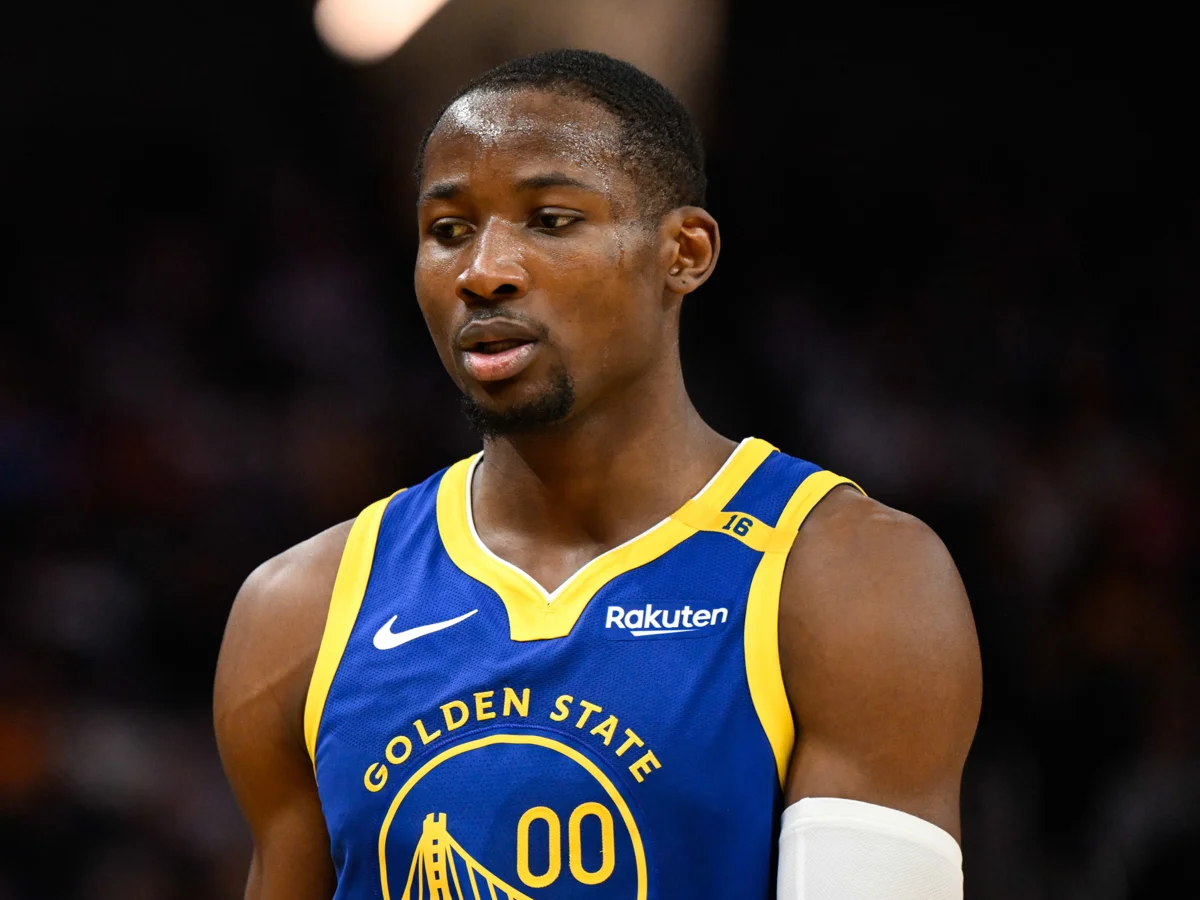
Image of: Jonathan Kuminga
“He’ll lose faith in Kuminga. Kuminga will be back in the doghouse, and we’re right back to square one.”
—Evan Giddings, NBA Insider
Giddings adds that,
“As long as Steve Kerr is there, this relationship can’t be fixed.”
—Evan Giddings, NBA Insider
This ongoing problem stems from conflicting philosophies: Kuminga’s impatience for a prominent role versus Kerr’s demand for adherence to a team-first system where younger players wait their turn to grow within defined roles.
Historical Patterns Highlight Struggles Between Coach and Young Player
The tension is not new. Last season, Kuminga was held out of action for a significant stretch, including 22 consecutive games without playing. This provoked criticism from former Warriors center DeMarcus Cousins, who blamed Kerr for
“ruining that relationship with the DNPs,”
while noting that Kerr has a reputation for difficulty managing young talent. Cousins pointed to Jordan Poole as a rare exception, though he was traded soon after his success.
The friction intensified when Kuminga reportedly defied instructions during games by ignoring star guard Steph Curry’s leadership to force his own shot attempts. This act clashed with Kerr’s coaching philosophy, grounded in joy, competitiveness, mindfulness, and compassion—principles that often resonate more with veterans than younger, more impulsive stars like Kuminga. Additionally, salary cap constraints, highlighted by Jimmy Butler’s hefty $55.5 million contract, put more pressure on the Warriors’ patience and roster flexibility.
Contract Rejection Signals Kuminga’s Desire to Leave
The clearest indicator of Kuminga’s mindset came when he declined the Warriors’ massive five-year offer worth $150 million. According to Giddings, this refusal was more than a financial decision. He described it as “the ultimate signal”:
“It means he wants out… Turning down that money to demand $25M isn’t a pay cut – it’s saying, ‘I won’t stay long-term.’”
—Evan Giddings, NBA Insider
By rejecting such a lucrative deal, Kuminga chose to bet on his own future through a qualifying offer worth $7.9 million rather than commit to the Warriors’ system for the long haul. This aggressive posture reveals his dissatisfaction with the current relationship and signals a readiness to seek opportunities elsewhere if necessary.
Trade Talks and Market Interest Intensify Amid Growing Frustration
The Warriors have reportedly considered trading Kuminga for some time. Giddings emphasized the urgency, stating,
“The Warriors absolutely should’ve traded Kuminga already,”
—Evan Giddings, NBA Insider
Teams such as the Phoenix Suns, Sacramento Kings, and Chicago Bulls have expressed interest in acquiring the forward, though initial offers have been deemed unsatisfactory by Golden State’s management. For instance, a reported offer from the Kings was dismissed due to its low valuation. Nevertheless, these inquiries confirm that the marketplace is aware of Kuminga’s availability, potentially accelerating the Warriors’ decision-making process.
Kuminga’s impressive playoff performance, averaging 20.8 points per game during a stretch without Curry, only complicated matters. His ability to excel outside Kerr’s rigid framework affirms his potential but also highlights the disconnect between player and coach. His camp’s open indication that Kuminga desires to “run his own team” leaves Golden State facing a difficult choice: attempt to mend a relationship that seems fractured beyond repair or accept the loss of a key talent and the implications for their development strategy.
Potential Impact on Warriors’ Future and Team Dynamics
The dispute between Jonathan Kuminga and Steve Kerr represents more than a personal conflict; it poses a critical challenge to the Warriors’ organizational culture and future success. Holding onto a player who is openly unhappy risks disrupting locker-room chemistry and weakening the unity essential for sustained excellence. Conversely, trading Kuminga could signal a failure in talent development and result in a significant loss of potential on the court.
As Golden State navigates salary cap constraints and evolving team needs, the resolution of this conflict will likely shape the franchise’s trajectory in the coming years. Whether through reconciliation or separation, the outcome will influence how the Warriors balance veteran leadership, emerging stars, and the adaptability required in a competitive NBA landscape.