


Most sports fans focus primarily on what happens during games—who scored the most points, which team won, and the star performances that define matches. However, former NBA player Jay Williams urges viewers to look beyond the athletes themselves to the lesser-known individuals who build the financial empires off the court. His commentary highlights LeBron James business empire insights, exposing the critical players behind the scenes who manage huge portfolios and investments.
The Importance of Behind-the-Scenes Leaders in Athlete Wealth
Williams points out that while players earn on the court, the real architects of their fortunes often remain invisible. He remarked,
“You’re focused on the names on the jersey, but do you know the names on the LLC agreements? … While everybody’s tracking on ESPN who dropped 30 last night, I’m tracking who structured the holdco that owns the IP,”
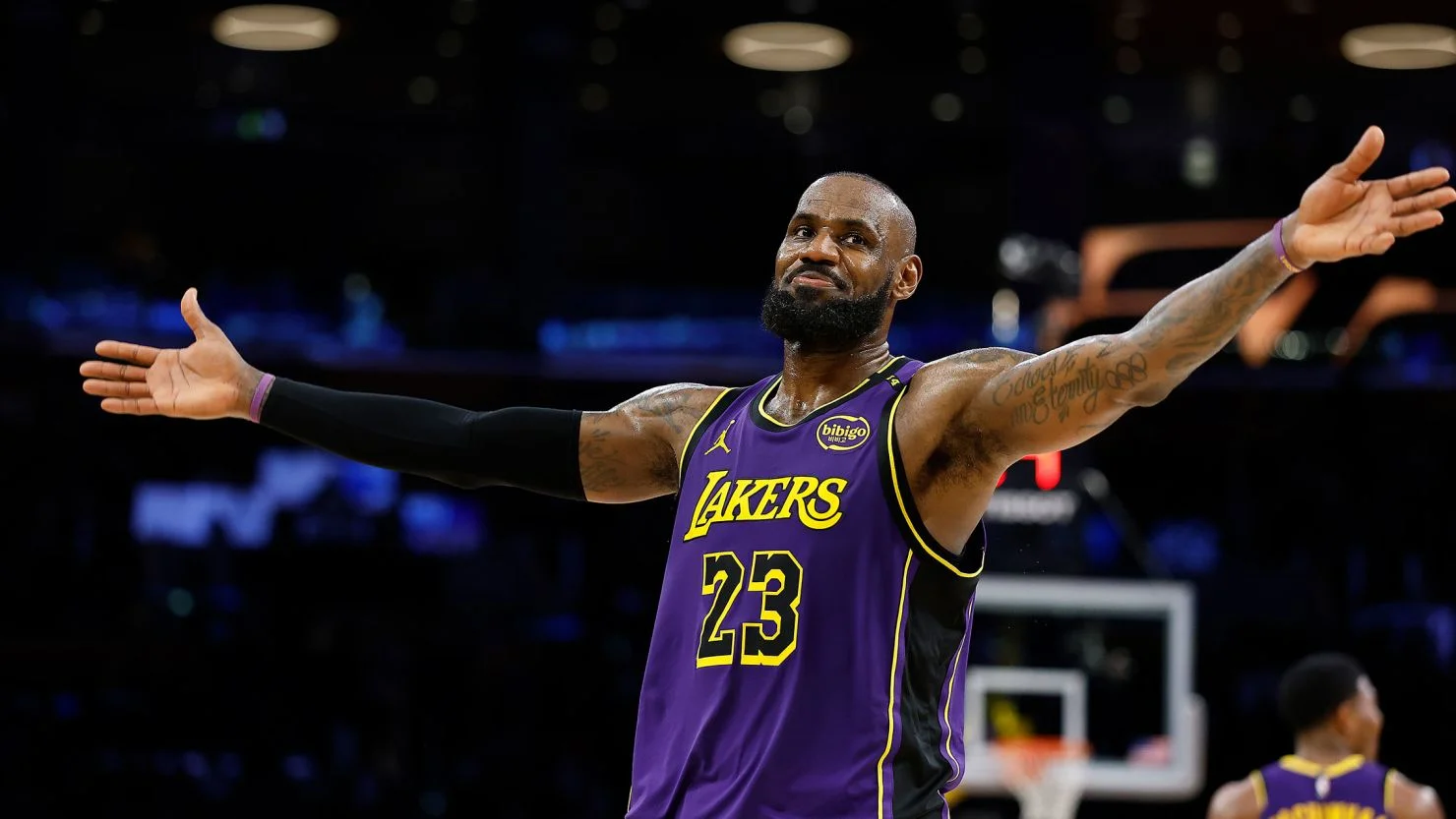
illustrating that those managing legal and business frameworks often hold the keys to wealth. Like LeBron James, who is widely regarded as a basketball GOAT candidate, the man behind his business decisions is Paul Wachter of Fenway Sports Group, a crucial figure controlling key investments.
Shaquille O’Neal’s Brand Constructed Like a Business Conglomerate
Another example Williams discusses is Shaquille O’Neal. Though Shaq continues to earn substantial sums as a corporate spokesperson, the mastermind behind his brand is his agent, Perry Rogers. Williams emphasized,
“didn’t build a brand, he built Shaq like a conglomerate,”
showcasing a strategic approach to athlete branding that surpasses the typical agent-player relationship. This approach turns athletes into multifaceted business entities rather than just sports personalities.
Cross-Sport Examples: Serena Williams’ Financial Team
Williams extends his analysis beyond basketball, highlighting Harvard MBA Alison Stillman, who plays a vital role as the term sheet tactician for tennis icon Serena Williams’ venture fund. This example reinforces how modern athletes increasingly rely on sharp business minds to sustain and grow their wealth through complex financial and legal structures, demonstrating that elite performance on the field is only one part of their legacy.
Why Fans Rarely Consider the Business Side of Sports
Williams bluntly states,
“Fame gets you claps, but equity gets you wiring instructions.”
Despite the reality of athlete wealth management, he acknowledges that fans do not and likely should not care about these business details. Unlike cheering for players at a stadium, there is little emotional investment in corporate ownership or financial paperwork, reflected in the fact that nobody spends money buying a Warren Buffett jersey or watches a company’s earnings report as passionately as a sports game.
The Mixed Feelings on Celebrating Financial Success in Sports
While it is commendable that some athletes manage to navigate their careers successfully both on and off the field, escaping the trend of post-retirement financial ruin, Williams expresses frustration at overvaluing their wealth accumulation. He warns against placing excessive importance on the figures in bank accounts or the identities of financial managers, calling it “the height of self-serious silliness.”
Balancing Athletic Achievement with Financial Acumen
The discussion gains further nuance with the mention of Tobias Harris, who, despite being a solid NBA player with a lengthy career, has never been a primary team star. Yet, Harris is set to earn $300 million by next season. This raises the question of whether fans should admire athletes for their on-court contributions or their financial earnings. Williams suggests that the attention might be better directed toward players who significantly impact the game rather than those simply accruing large salaries.