
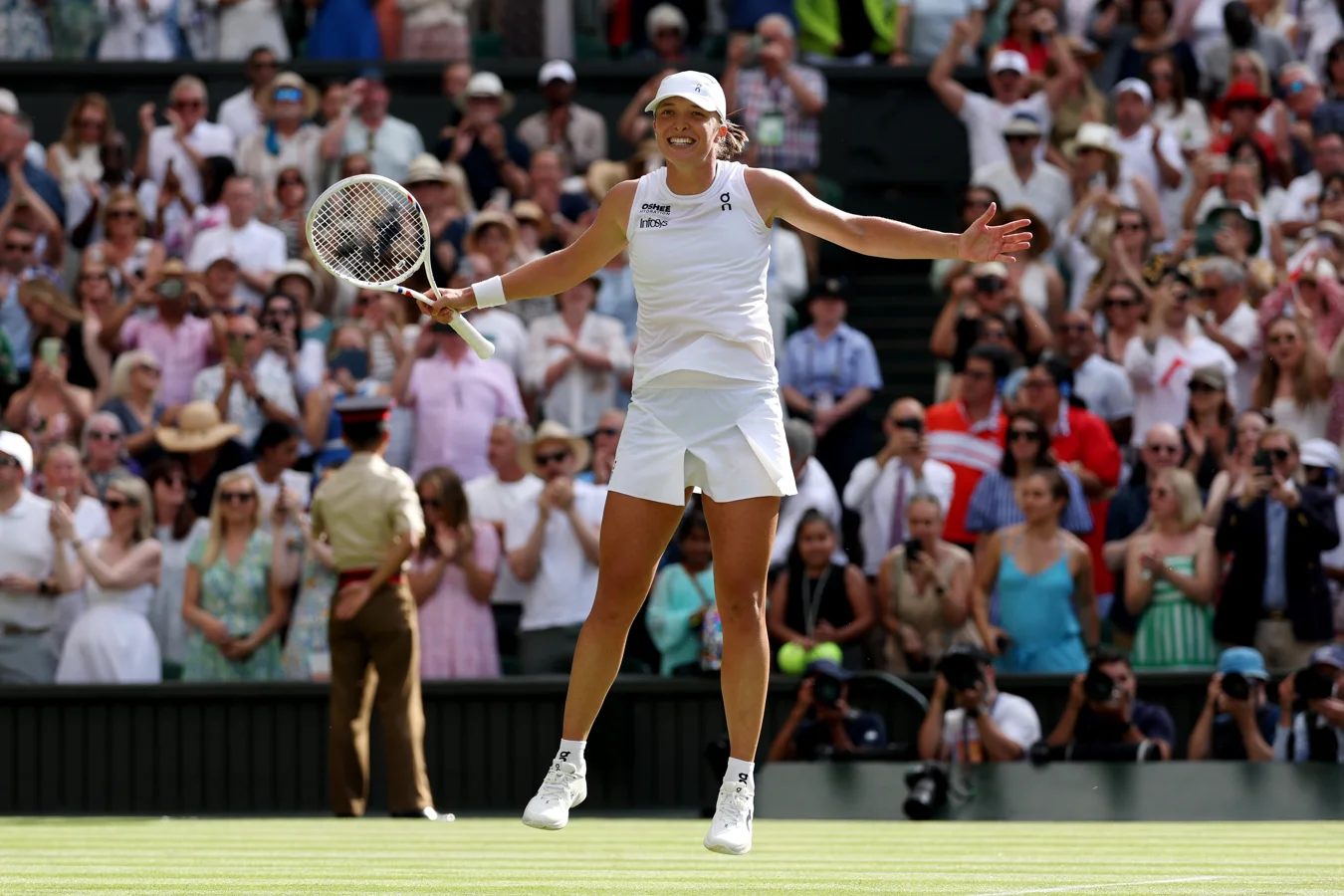

Madison Keys, the Australian Open champion, has spoken candidly about her approach to maintaining a balance between her tennis career and her personal life, emphasizing that she does not want tennis to consume her entirely. Her openness about the role of therapy in managing this balance comes shortly after Alexander Zverev’s emotional revelations following his loss at the Wimbledon Championships 2025.
Mental health remains a crucial discussion within the tennis community. High-profile players such as Naomi Osaka and Novak Djokovic have long addressed the psychological pressures of the sport. The topic gained fresh attention at Wimbledon when German player Alexander Zverev revealed feelings of loneliness and emptiness after a tough five-set defeat in the opening round, marking a low point following several near misses at Grand Slam finals.
Currently ranked World No.8, Keys won her first Grand Slam at the Australian Open by defeating Aryna Sabalenka in a thrilling three-set final earlier this year. Despite not capturing another title since and missing additional finals, she has maintained her place among the top players in the WTA rankings.
In a revealing interview with Tennis Channel, Keys reflected on Zverev’s comments and shared how focusing exclusively on tennis had been detrimental to her own well-being. She credited therapy with helping her gain perspective and balance in both her personal and professional life:
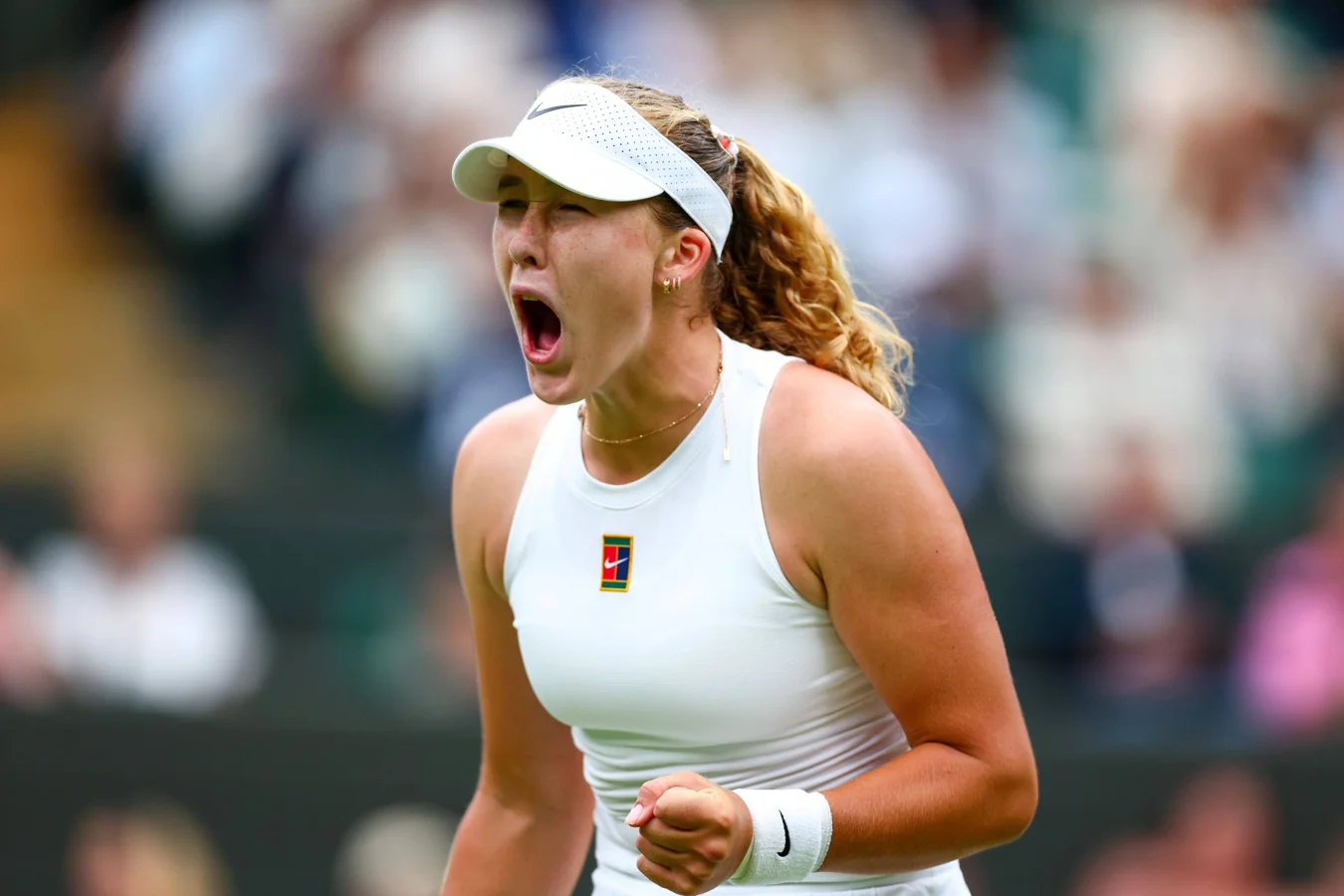
For me, being so focused on tennis didn’t help me as much as I needed. I think seeking help and analyzing my life in general, and how that influenced how I felt on the court, probably made the biggest difference. Also, I have always tried to have a life outside of tennis, which has helped me a lot on the court. You are not just a tennis player. You are a complete person with all these other excellent qualities, other interests, and different aspects of your life.
—Madison Keys, Tennis Player
Performance and Challenges in Recent Tournaments
Keys wrapped up her grass-court season without claiming any titles. She reached the semi-finals at the Queen’s Club Championships but was defeated by Tatjana Maria in straight sets. Following that, she exited early in the Berlin Tennis Open, losing to eventual winner Marketa Vondrousova in the second round.
At the recent Wimbledon Championship, Keys won two matches before being eliminated in the third round by Laura Siegemund, who went on to reach the quarter-finals. Prior to that, she beat opponents Elena-Gabriela Ruse and Olga Danilovic during the initial rounds.
How Madison Keys Cultivates Confidence Away From the Court
Madison Keys’ experience with the highs and lows of professional tennis has deeply influenced her approach to the game. After first reaching a Grand Slam final at the 2017 US Open, where she lost to Sloane Stephens, Keys had to wait over seven years to clinch her maiden major title.
In her interview, Keys explained that she builds confidence through rigorous training and gym work rather than relying solely on performance in matches. She noted the unique challenge tennis presents compared to other sports because each match involves another highly prepared competitor:
Building your confidence in tennis is different from other sports. In my case, I built my confidence off the court, in training and in the gym. It’s about being aware of doing all you can and all that is under your control. However, when you play a tennis match, you have another person on the other side of the net who has probably done the same as you.
—Madison Keys, Tennis Player
This perspective helps Keys remain grounded amid the unpredictable nature of tennis competitions, where mental resilience is as critical as physical ability.
The Growing Conversation About Mental Health in Tennis
The dialogue about mental well-being in tennis has been intensified by prominent players openly discussing the sport’s psychological demands. Following Alexander Zverev’s admission of feeling isolated and joyless on court after Wimbledon, the conversation resonates strongly within the community. Zverev’s struggles highlight the emotional toll tennis can take, especially for athletes who frequently reach but do not win Grand Slam finals.
Madison Keys adds to this important discussion by sharing her own journey with therapy, affirming the value of addressing mental health to prevent burnout and maintain passion for tennis. Her determination to live a full life beyond the court demonstrates an evolving mindset among top athletes who seek sustainable success while nurturing overall well-being.
The Significance of Keys’ Approach for Tennis and Future Prospects
Madison Keys’ emphasis on therapy and keeping tennis balanced within her broader life carries meaningful implications for the sport’s culture. As mental health continues to gain recognition alongside physical fitness, her example encourages other players to prioritize psychological care and personal interests outside competitive play.
Looking ahead, Keys’ strategy may inspire more athletes to openly discuss their mental health challenges and seek support, contributing to a healthier environment in tennis. For Keys herself, maintaining this balance will be essential as she aims to build on her Australian Open success and remain competitive on the WTA tour.
In a sport marked by intense pressure and relentless demands, Madison Keys’ story exemplifies resilience and the power of thoughtful self-care in nurturing both performance and personal fulfillment.
Our Reader’s Queries
Q. Is Madison Keys a millionaire?
A. Madison Keys has a net worth estimated to be between $5 million and $10 million. By winning the 2025 Australian Open, she has earned over $21 million in prize money from her time on the WTA tour.
Q. Is Madison Keys rich?
A. Madison Keys has been well-known in American tennis for more than ten years. Her success and career length show in her financial status. By 2025, her net worth is projected to be $8 million, based on reports from Sportskeeda.
Q. Did Madison Keys fix her teeth?
A. Madison Keys, a very successful tennis player, chose to change her teeth with a smile makeover. Although she had a great career, she felt unsure about her smile. She thought that having nicer teeth would raise her confidence in her personal life and during matches.