
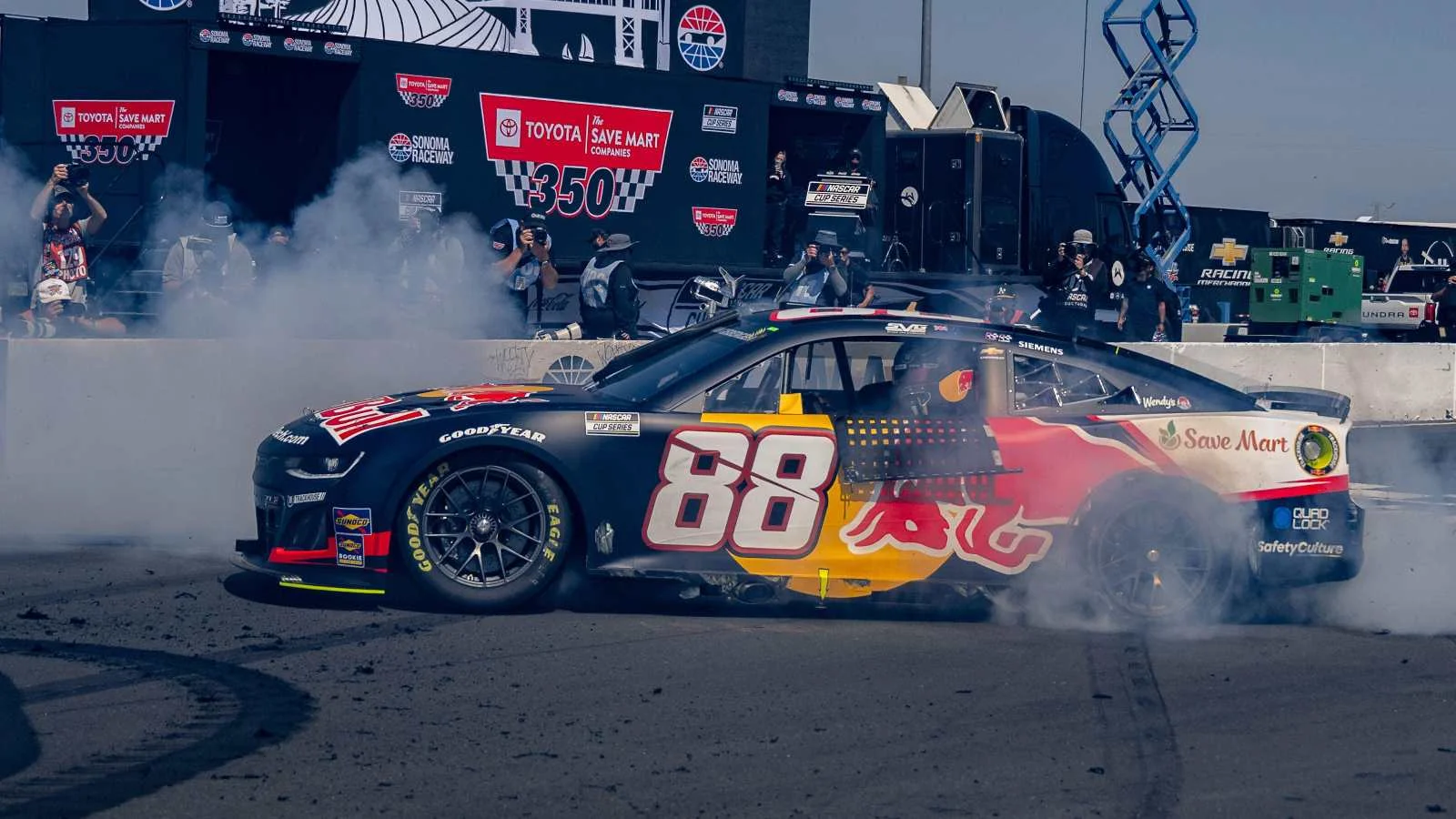

NASCAR president Steve Phelps has stated that the organization does not regard Formula 1 or IndyCar as direct competitors within the United States. Despite F1’s growth under Liberty Media and its increasing presence with races in cities like Austin, Miami, and Las Vegas, NASCAR remains dominant in domestic viewership for motorsports. Phelps highlighted that NASCAR’s primary competition lies outside other racing series, focusing instead on the broader entertainment industry.
Viewership and Market Position Compared to Other Motorsports
The NASCAR Cup Series holds the top position in popularity among U.S. motorsport championships, consistently attracting higher average television audiences than both Formula 1 and IndyCar. While F1 has expanded its footprint through multiple high-profile U.S. events, NASCAR’s consistent engagement keeps it firmly ahead in terms of viewers. This dynamic reinforces NASCAR’s confidence in its position within the U.S. motorsports arena.
Shifting Focus Toward Competing Within the Entertainment Sphere
Steve Phelps explained in an interview with CNBC that NASCAR’s view of competition is broader and more inclusive than simply other racing series. He emphasized that NASCAR competes for consumers’ attention against all forms of entertainment, including streaming platforms and traditional media.
“Yeah, for us, I actually don’t view them as competitors,”
Phelps said regarding F1 and IndyCar. He added,
“Our competitors, I view as more holistically. And I think it’s really not just motorsports, actually not even just sports, it’s entertainment. And we are competing for that dollar.”
He further noted the challenge of capturing viewers’ time, explaining,
“We are competing for your time and other people’s time because if they’re not watching NASCAR, are they watching Netflix? Are they watching movies? Are they watching CNBC? What are they doing when they’re not doing that? So it’s super competitive.”
Expanding NASCAR’s Global Reach Through International Series
In line with broadening its audience, NASCAR recently held a points-paying Cup race in Mexico City, marking its first such event outside the United States since 1958. The organization also operates regional series in Canada, Mexico, Brazil, and Europe, which serve multiple purposes including driver development and growing NASCAR’s international presence. Phelps pointed out the significance of this global expansion, stating,
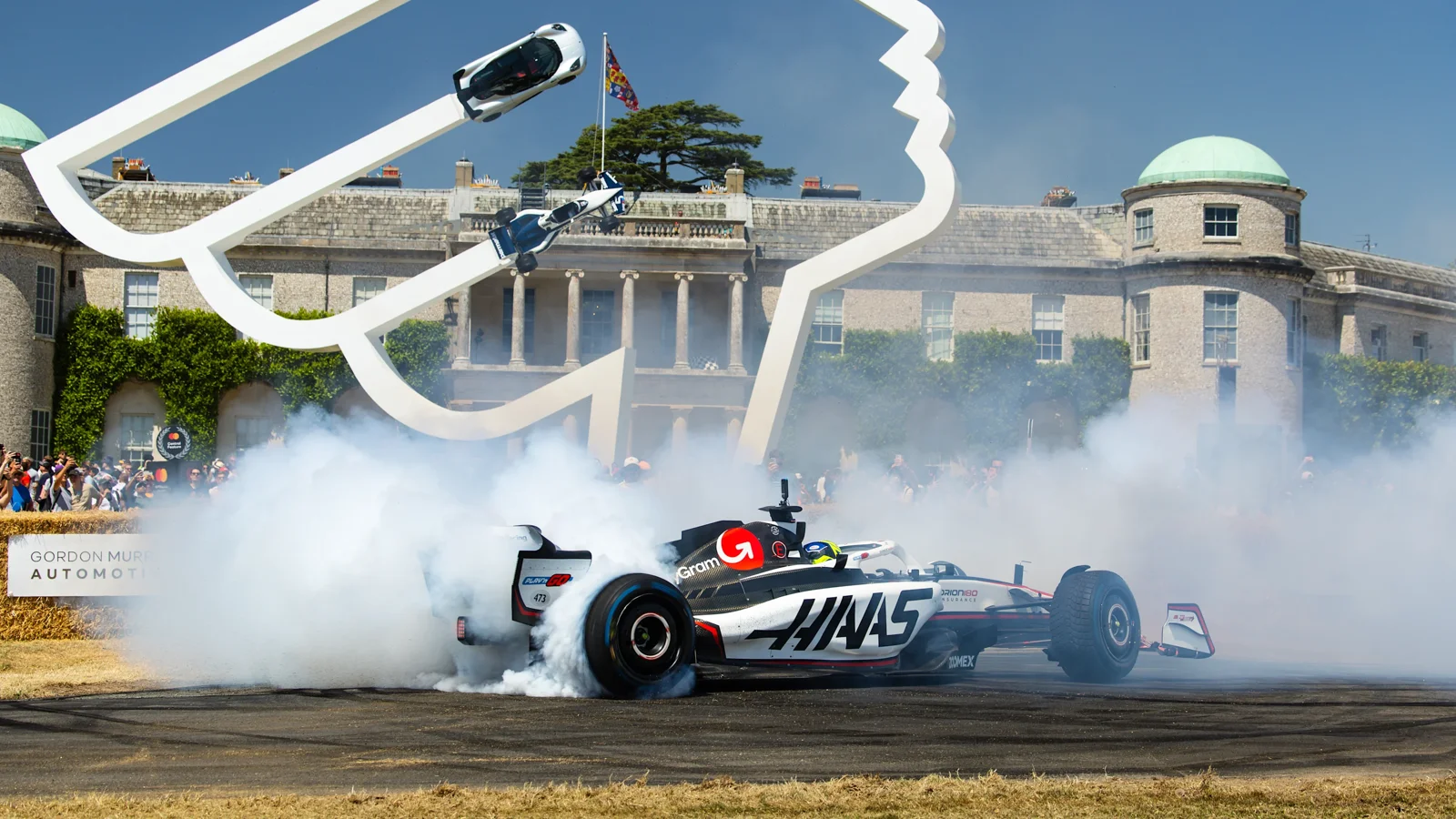
“I believe that global expansion for us is important.”
He explained how these series help to bring international talent into NASCAR’s main competitions:
“So, getting drivers from other countries to come to our national series, like Daniel Suarez, who graduated from our Mexico series and then went up and raced in our national series and has won races in our national series. He was our Xfinity Series champion.”
The Broader Implications of NASCAR’s Competitive Strategy
By positioning itself within the entertainment marketplace rather than focusing solely on rival racing championships, NASCAR aims to maintain and grow its audience amid shifting viewer preferences. Its efforts to expand globally and cultivate international drivers support this strategy by tapping into new markets and talent pools. Moving forward, NASCAR’s approach may influence how motorsports organizations adapt to changing consumer habits and the evolving landscape of digital entertainment.
Our Reader’s Queries
Q. Is number 13 banned in F1?
A. Yes, the number 13 is permitted. Pastor Maldonado selected #13 when F1 introduced permanent numbers in 2014, even though some view it as unlucky. The decision was left up to the drivers.
Q. Which F1 driver has ADHD?
A. Lewis Hamilton, born in 1985, is a British race car driver who competes in Formula One. He has driven for both Mercedes and McLaren teams. Openly sharing his experiences, Hamilton talks about living with ADHD and explores his various interests and hobbies.
Q. Is 69 allowed in F1?
A. Drivers can select a permanent number for themselves between 0 and 99, but cannot choose number 1. Only the reigning World Drivers’ Champion has the option to use number 1, although it is not mandatory for them to take it.
Q. Which F1 drivers have ADHD?
A. Lewis Hamilton, born in 1985, is a British Formula One driver currently racing for Mercedes. He has also raced for McLaren. Hamilton openly talks about his experiences with ADHD and shares his various interests and hobbies.