
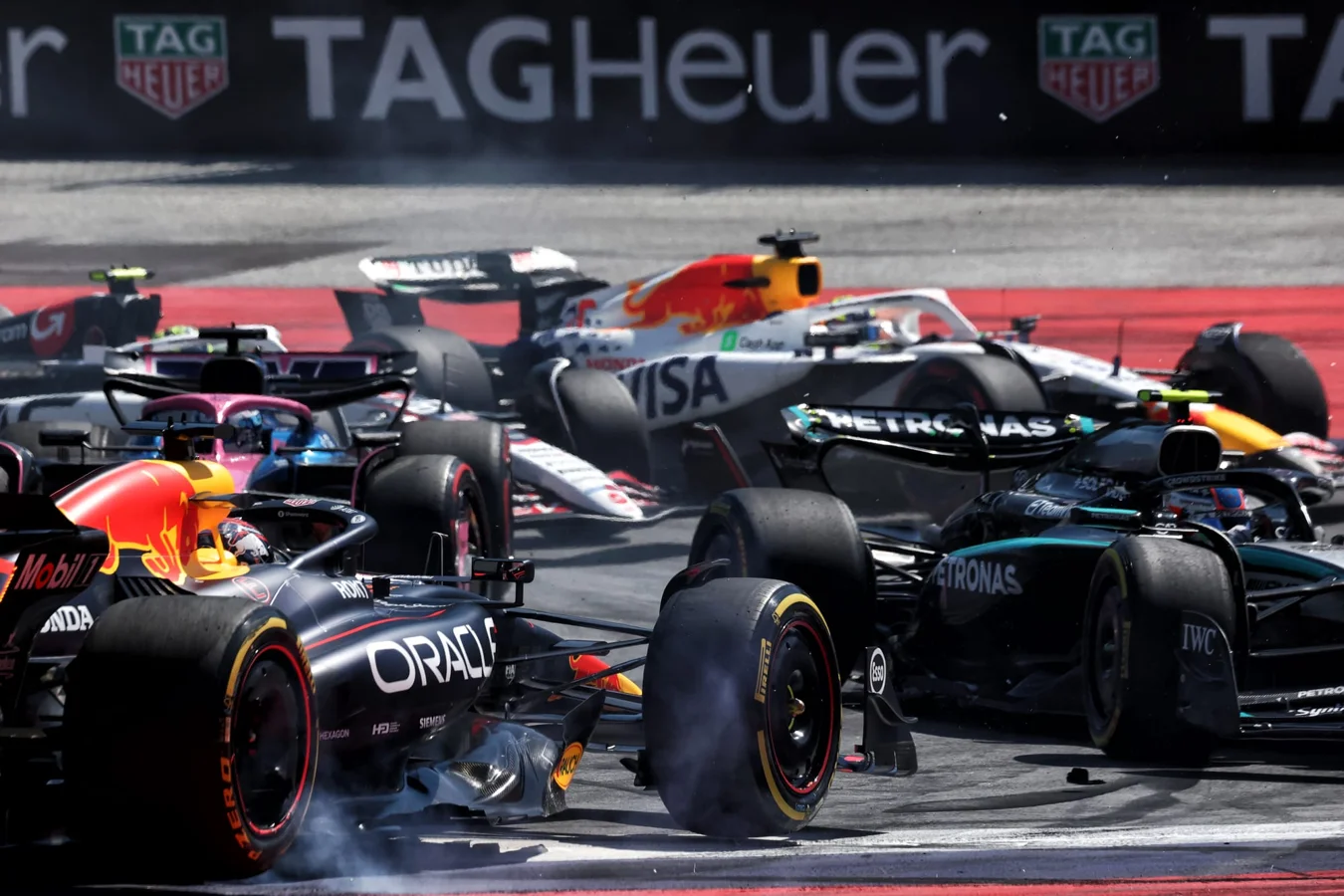

Red Bull Racing is currently navigating a challenging phase after the decision to remove Christian Horner as Team Principal, amid a significant drop in performance. The team, based in Milton Keynes, appointed Laurent Mekies as the new leader, aiming to revive Red Bull’s fortunes; however, former Haas F1 boss Guenther Steiner has cautioned that a swift recovery is unlikely.
Red Bull’s Ongoing Challenges Following Leadership Change
The Austrian company Red Bull GmbH, which owns Red Bull Racing, has expressed dissatisfaction with the team‘s recent struggles both on and off the track. Internal tensions have reportedly increased, coinciding with a steep decline in race results. This downturn is so severe that Max Verstappen, the team’s star driver, has conceded that competing for the 2025 championship title is no longer a realistic goal.
Christian Horner has been at the helm of Red Bull Racing since its inception in 2005, guiding the team through two decades of competition. Despite his longevity and leadership, the decision was made to part ways in hopes of sparking a new era for the team. Guenther Steiner, who has firsthand experience managing a Formula 1 outfit, remarked that change in motorsport operates on a much slower timescale compared to other sports like football.
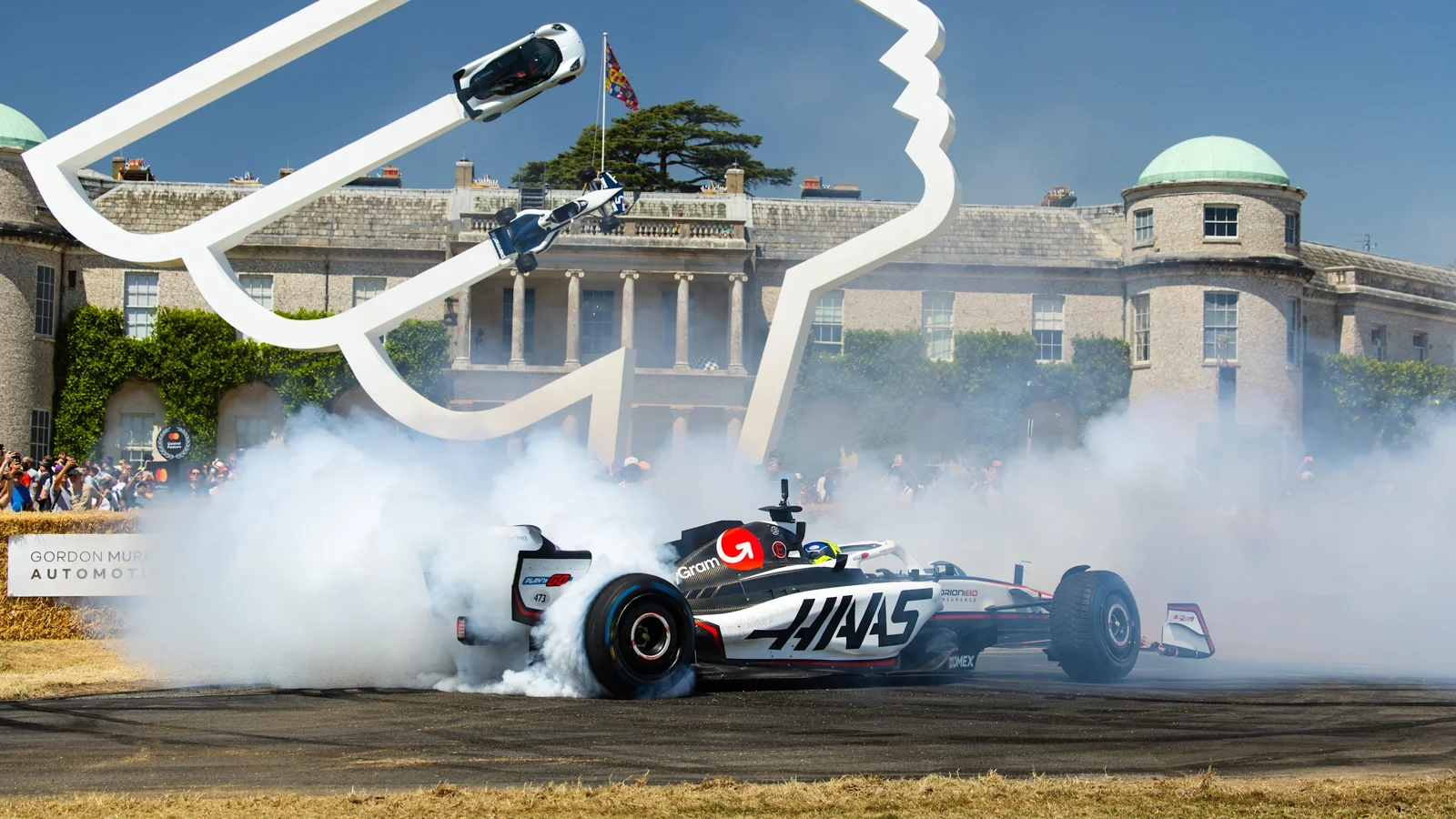
Steiner emphasized that, unlike football teams where the arrival of a new coach or player often delivers immediate results, Formula 1 teams require years to build or rebuild competitiveness. A drop in performance does not occur abruptly, nor does improvement happen overnight.
In the short term, there is not a big impact either way. They are racing cars. It’s not a football team that you bring a new player in so in the next game, you have got the new star or new talent there. If an [F1] team is good, it takes years to get bad. But also, if you’re bad, it takes years to build up to be good again.
Guenther Steiner said on Business of Sport podcast
Expectations for Performance Under Laurent Mekies
Laurent Mekies now faces numerous challenges as he steps into Horner’s role. Beyond inheriting a team struggling with car issues and a decline in results, Mekies must work hard to ensure Max Verstappen remains committed for the upcoming seasons. Adding to the pressure, the entire Formula 1 landscape is preparing for a major regulation change in 2026, when Red Bull will debut its own power units, a significant technical transition.
Despite Mekies’ new position, Steiner stressed that the immediate future will likely see little change in Red Bull’s race performance. The team’s development path for the next season is already set in motion, including the production of their power units and car engineering, limiting any quick fixes or dramatic shifts in results.
Now [with] Christian going, I think in the next year of races, there will be no change in it [the results]. The scene is already set for next year. The cars are under development, Red Bull is doing their own power unit. That’s all set up. If somebody now comes in and changes, he or she wouldn’t have the time to do anything. Now that Christian leaves, you will not see a spike, neither down nor up.
Guenther Steiner added
Long-Term Impact and What Lies Ahead for Red Bull
Although Christian Horner’s departure marks the end of an era, his legacy and influence within the team will not disappear immediately. Many of his close allies remain within the structure of Red Bull Racing, ensuring continuity for now. Meanwhile, Laurent Mekies aims to sow the seeds for future success, though it is clear that the fruits of his leadership may take time to materialize.
The next few weeks will be critical as Mekies begins to implement his vision. For a team with high expectations and a demanding fanbase, patience will be required as the energy drinks giant attempts to reverse its performance slump.
Red Bull Racing’s journey illustrates the complexity of managing an F1 team, where results are deeply intertwined with long-term preparation rather than quick managerial changes, stressing the scale of the challenge ahead for Laurent Mekies and his squad.
Our Reader’s Queries
Q. Is number 13 banned in F1?
A. Yes, the number 13 is permitted in Formula 1. Pastor Maldonado chose #13 when the permanent numbering system started in 2014. While some cultures view 13 as unlucky, F1 allows drivers to decide their own numbers.
Q. Which F1 driver has ADHD?
A. Lewis Hamilton, a British Formula One racer born in 1985, races for Mercedes and previously drove for McLaren. He openly shares his experience with ADHD and talks about his wide range of interests and passions.
Q. Is 69 allowed in F1?
A. Right now, drivers can choose their career number between 0 and 99, except for the number 1. Only the World Champion is permitted to use number 1. If a driver doesn’t compete for two seasons, their number can be chosen by someone else, except for number 1.
Q. Which F1 drivers have ADHD?
A. Sir Lewis Hamilton, born in 1985, is a British Formula One driver. He currently races for Mercedes and previously drove for McLaren. Hamilton openly talks about living with ADHD and shares his various interests and hobbies.