
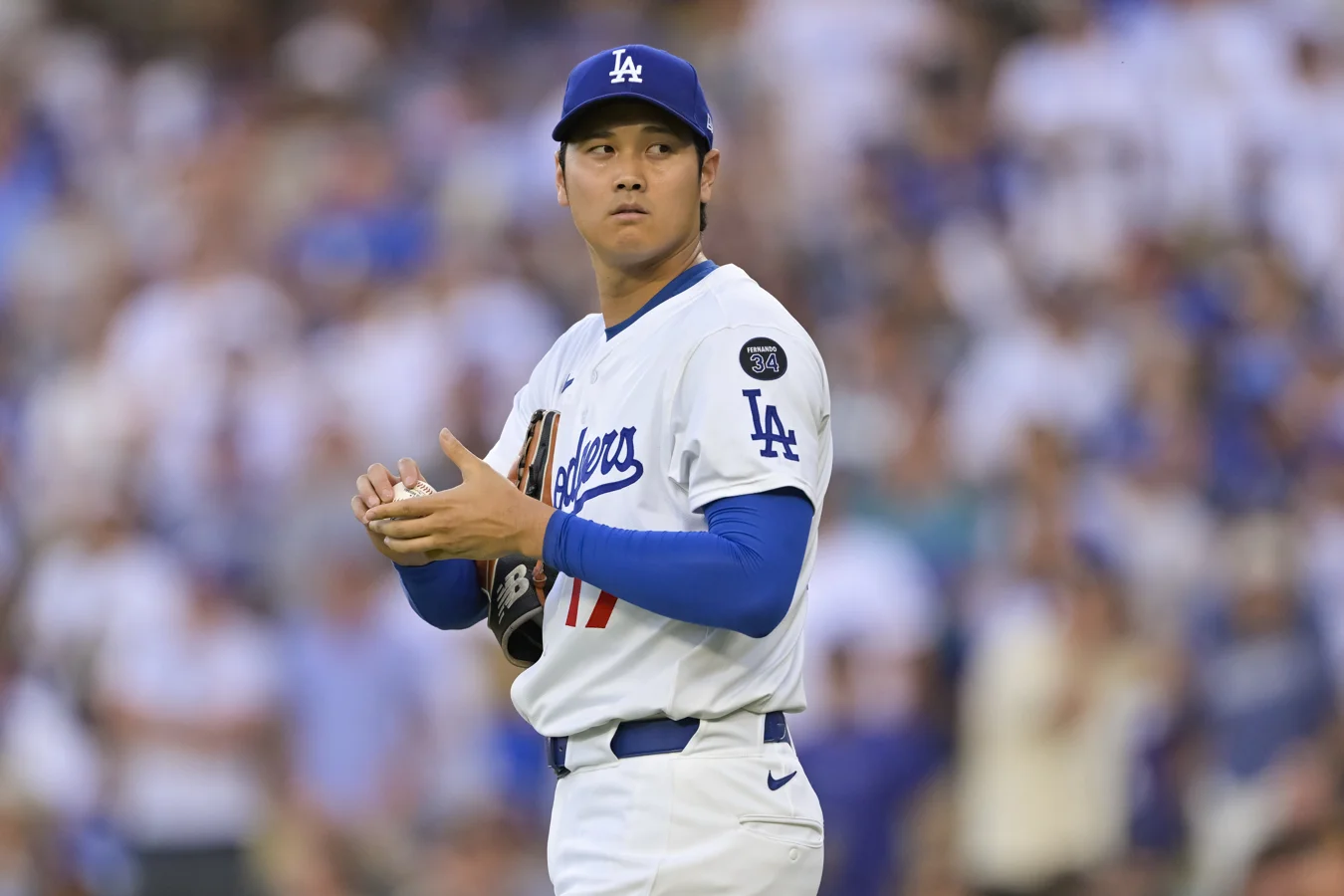

Shohei Ohtani’s switch to the Los Angeles Dodgers in 2025 was driven by deep-rooted frustrations with the Los Angeles Angels’ organization, where persistent mediocrity and unfulfilled promises wore down the generational talent. While Ohtani was excelling on the field, the Angels were mired in injury problems and reactive excuses, failing to provide the competitive environment he craved. His move to the Dodgers was not just a change of uniform—it was a search for a team with real direction and ambition.
Former Angels manager Phil Nevin shed light on Ohtani’s mindset, saying,
“Being around the Shohei for the two years, I was like it is a real and genuine one that this dude wants to win in the worst way… it frustrated him that, and not that guys got hurt… We had a lot of real injuries. I’m not saying these guys didn’t want to play. It just frustrated him knowing that all right, I can’t quite get there because, you know, either Trouty’s down,”
—Phil Nevin, Former Angels Manager
This frustration was compounded by a series of injuries to key players like Mike Trout, Anthony Rendon, and Gio Urshela, as well as an unraveling pitching staff. Despite Ohtani’s stellar individual performance, including 44 home runs and 95 RBIs in 2023, he was left supporting a roster in decline. His perseverance amid this chaos made his eventual decision to leave Anaheim more understandable as he sought a winning culture elsewhere.
How the Angels Mismanaged One of Baseball’s Greatest Talents
The Angels held Shohei Ohtani’s immense talent within their grasp from 2018 through 2023 but failed to capitalize on his presence to build a championship-caliber club. Despite Ohtani’s global stardom, the team’s front office procrastinated on key opportunities, including trades that could have brought in promising players or attracted further Japanese talent. Top prospects like Jackson Merrill from the Padres were tempting options the Angels chose to ignore.
Ownership under Arte Moreno resisted aggressive rebuilding or strategic trades, opting instead for incremental adjustments that yielded little success. This lack of vision and action allowed opportunities to slip away, leaving Ohtani surrounded by instability and unable to fulfill the potential of his extraordinary abilities. The Angels’ failure to build around him highlights a cautionary tale of squandered potential for any franchise in professional sports.
Dodgers’ Approach: Supporting Ohtani’s Growth and Ambition
In contrast, the Dodgers offered Ohtani much more than financial incentives; they provided a clear plan, mentorship, and a commitment to contending that immediately resonated with the star. Their efforts included helping him refine his batting stance, which led to a career-high 54 home runs and 130 RBIs following his arrival. This transformation signified more than just improved statistics—it represented the unlocking of Ohtani’s full potential in an environment that valued and nurtured his talents.
The Dodgers’ clubhouse atmosphere and steady roster provided the level of support and belief that Ohtani’s previous team lacked. By embracing him as a centerpiece of their ambition, Los Angeles offered a stark contrast to the confusion and fractured culture he left behind in Anaheim. His departure was thus not an act of betrayal but a statement choosing genuine support over persistent broken promises.
The Angels’ Ongoing Struggles Point to Deeper Organizational Issues
The Angels’ troubles did not end with Ohtani’s exit; in fact, their organizational habits suggest a bleak outlook for the foreseeable future. Under GM Perry Minasian’s leadership, the team has repeatedly mishandled pitching prospects by rushing young arms like Sam Aldegheri, Caden Dana, Victor Mederos, and Ryan Johnson into demanding roles without proper safeguards. Aldegheri, for example, was left to absorb a crushing five-run inning despite obvious signs of struggle, exposing how short-term thinking compromises player development.
This pattern reveals a front office prioritizing immediate appearances over long-term growth, which has led to fatigue, demotions, and stalled progress for many young pitchers. Arte Moreno’s resistance to a full rebuild has stifled flexibility and clouded the team’s future planning, mirroring the same errors that contributed to losing a superstar like Ohtani. Anaheim’s recurring inability to foster real talent growth sustains a cycle of disappointment and unmet expectations.
What Lies Ahead for the Angels and MLB’s Biggest ‘What-If’?
The Angels, once home to one of baseball’s most electrifying players, now face the reality of becoming a major “what-if” story in MLB history. Their failure to support Shohei Ohtani through a viable winning plan cost them not only a generational player but also long-term credibility. With talent being mismanaged and strategic errors repeating, the franchise risks alienating future stars in a cycle of missed opportunities.
Unless the organization rethinks its approach to development and long-term planning—no longer treating development as an afterthought—the decline is likely to continue. Meanwhile, Ohtani’s success with the Dodgers underscores how critical environment and leadership are for elite athletes to thrive. His move serves as a reminder that even the greatest talent cannot flourish without the right support system behind it, and the Angels’ reluctance to change has left them trailing in the wake of their former superstar.