
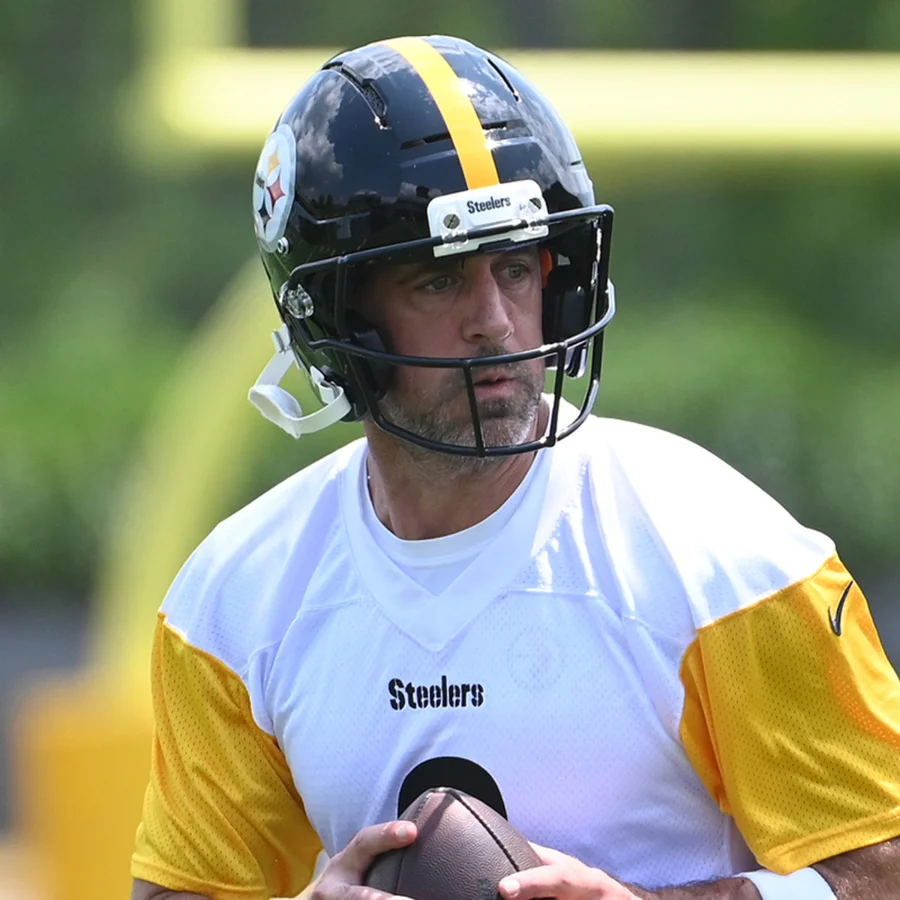

When the Pittsburgh Steelers decided to pursue Aaron Rodgers, head coach Mike Tomlin made it clear he was fully behind the move. During their in-person meeting this spring, Tomlin emphasized a connection that went beyond standard football considerations. At 41, Rodgers brings a record that includes four MVP awards and a Super Bowl XLV championship, but Tomlin’s confidence in him was not just about past achievements. Instead, Tomlin placed his trust in Rodgers’ continued passion and skill to lead a serious postseason run for the Steelers in 2025.
This commitment from Tomlin, a coach known for his defense-first approach and rigorous discipline, marked a notable shift in Pittsburgh’s traditional strategies. By betting on a veteran quarterback with an uncertain health outlook, Tomlin took a calculated risk that drew national attention. Analysts like ESPN’s Chris Broussard recognized the potential impact, signaling tempered optimism about the team’s playoff prospects even if Super Bowl contention appeared out of reach.
Outside Voices Weigh In on Steelers’ Playoff Chances with Rodgers
Chris Broussard shared his perspective on the Steelers’ outlook, stating,
I love the Steelers, I don’t think they’re like a real super Bowl contender. I do think they’re a definite playoff contender. I’m thinking now honestly, 11 wins. I mean they won 10 last year, but I think 11 wins. So I’m going now in my mind between Cincinnati and Steelers.
—Chris Broussard, ESPN Analyst
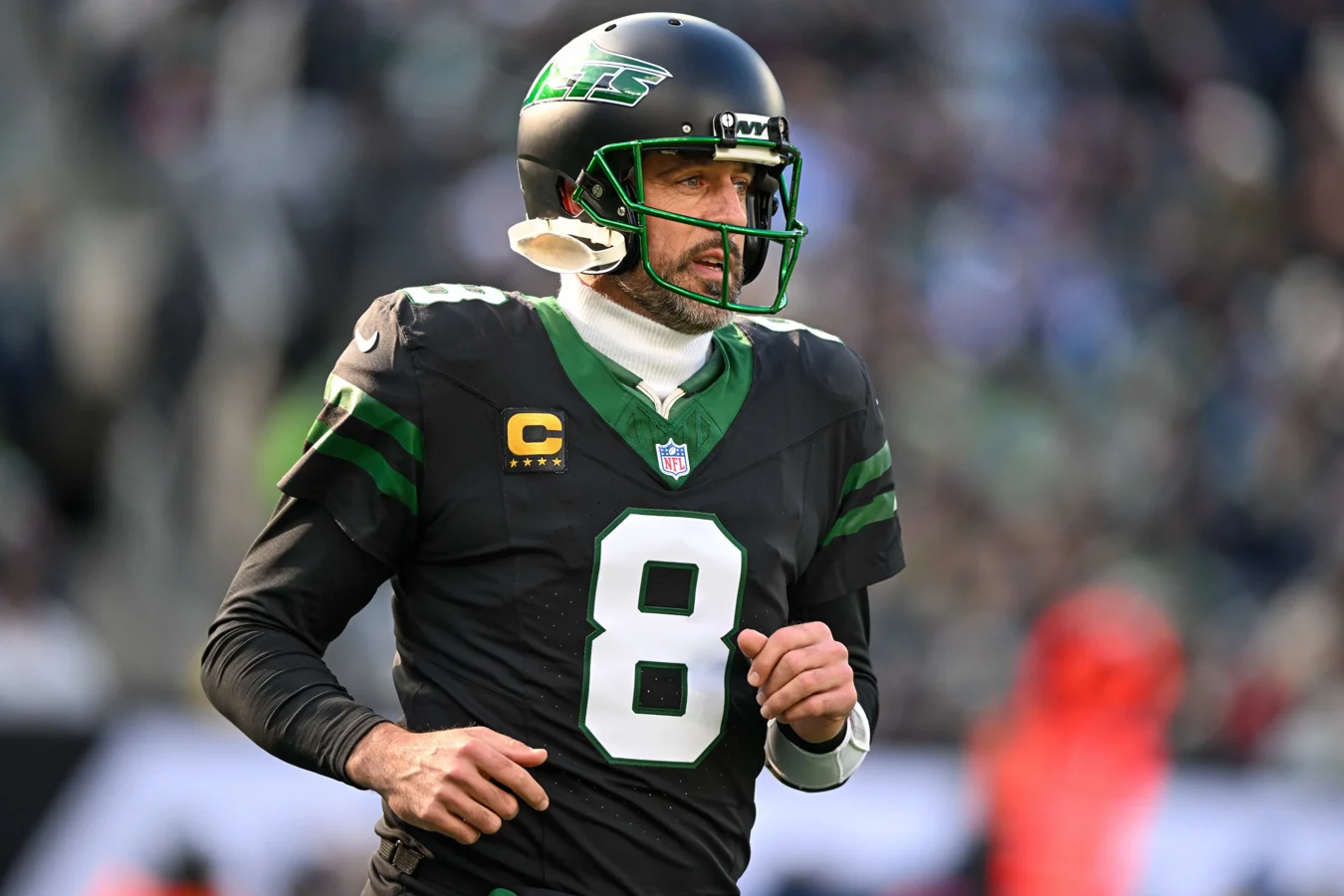
Broussard’s cautious yet hopeful take reflects the broader consensus that the Steelers might improve with Rodgers, but realistic expectations remain restrained. He added,
I like their approach… they really believe Aaron Rodgers will get them over the hump…..And with this approach, and Rodgers and some of the additions, I think they’re going to be tough.
—Chris Broussard, ESPN Analyst
Tomlin echoed this confidence, emphasizing hard work over hype with Rodgers’ arrival:
Read his resume. We’re excited about him being here…..We’re just going to roll our sleeves up and go to work and let our efforts do the taking.
—Mike Tomlin, Pittsburgh Steelers Head Coach
Still, skepticism exists. Fox’s Kevin Wildes warned about Rodgers’ advanced age and unfamiliar surroundings, noting,
Rodgers is older, and in a new place … they’ll be at a disadvantage in two-thirds of their games at QB.
—Kevin Wildes, Fox Sports Analyst
Concerns regarding Rodgers’ past ACL injury and the ability of the Steelers to provide an effective backup plan remain significant talking points heading into the season.
Limited Upside for Steelers Despite the Rodgers Addition
While Tomlin’s trust in Rodgers may bolster the team’s baseline performance, it is unlikely to increase the Steelers’ ceiling amid a fiercely competitive AFC. Pittsburgh remains positioned as a fringe playoff contender rather than a genuine title challenger due to roster limitations, particularly on offense. The offensive firepower present within the conference’s leading teams continues to outpace Pittsburgh’s capabilities.
Elite quarterbacks such as Patrick Mahomes in Kansas City and Joe Burrow of the Cincinnati Bengals lead offenses with deep and diverse receiving corps. Meanwhile, Houston’s C.J. Stroud has quickly emerged as a dynamic playmaker commanding a high-output attack. These offenses are professional and versatile, capable of sustaining the high-scoring performances needed in critical January games. In contrast, the Steelers face uncertainty about which iteration of Aaron Rodgers will take the field and how the offense will respond if he falters.
This unease is compounded by a lack of proven offensive weapons that can consistently challenge opposing defenses. As observed, wide receiver DK Metcalf lacks route-running finesse, which restricts tactical variability and makes it easier for defenders to contain him. Pittsburgh’s absence of game-breaking skill players diminishes the team’s ability to overcome adversities or ignite explosive scoring drives when it matters most.
Defensive Strength Remains a Steel Curtain but Has Limits in the Modern NFL
On the defensive side of the ball, the Steelers maintain their reputation for toughness. Defensive stalwart T.J. Watt continues to pose a formidable threat to opposing quarterbacks, and the team’s pass rush has the capability to dominate games. When healthy, Pittsburgh’s secondary plays disciplined and physical football, adhering to the team’s traditional defensive principles. However, the <a href=”https://www.buzzineintl.com/category/football/nfl/”>NFL’s offensive evolution towards high-scoring shootouts challenges the Steelers to keep pace offensively.
While a strong defense can carry a team into high-stakes situations, matching the prolific offenses led by Mahomes, Burrow, and Stroud requires more than just defensive resilience. This gap in offensive production places Pittsburgh at a disadvantage when entering the league’s postseason battles, underscoring why Tomlin’s gamble on Rodgers may have more emotional weight than strategic one.
Rodgers’ Role: Raising the Steelers’ Baseline, Not Rewriting Their Limits
Ultimately, Aaron Rodgers elevates the Steelers’ floor by adding veteran leadership and playoff experience to a team hungry for stability. However, his presence alone is insufficient to propel the franchise beyond its current standing within the AFC hierarchy. The team’s overall talent and offensive firepower still trail behind the conference frontrunners, and Rodgers’ ability to reattain peak form after injuries will be closely watched throughout the season.
Mike Tomlin’s commitment to Rodgers reflects a belief in steady leadership and calm execution, qualities that can improve consistency. Yet, without significant offensive upgrades or a return to Rodgers’ prime performance, the Steelers may continue to face insurmountable challenges against the league’s most explosive teams. The coming months will reveal whether this strategic gamble pays dividends or remains a nostalgic bet grounded more in faith than in tangible roster strength.
Our Reader’s Queries
Q. What happened with Aaron Rodgers?
A. After the 2024 season, Rodgers was let go by the Jets and then joined the Steelers.
Q. Are Tom Brady and Aaron Rodgers friends?
A. Over time, Rodgers mentioned that he and Brady developed a friendship. They both enjoy the Kentucky Derby, often bringing their own groups to Churchill Downs and sitting near each other. Additionally, both have taken part in The Match, a charity golf event held in June.
Q. What caused the rift between Aaron Rodgers and his family?
A. A source shared with People that the disagreement between Jordan and Aaron started when they were kids. They have always competed with each other, trying to be better than one another. This dynamic has been consistent since their childhood and became more intense as they grew older.
Q. What did Aaron Rodgers get diagnosed with?
A. The NFL player, who won MVP four times, believes people saw him in this light after he caught COVID in fall 2021. While with the Packers, he turned to Rogan for treatment advice at that time.