
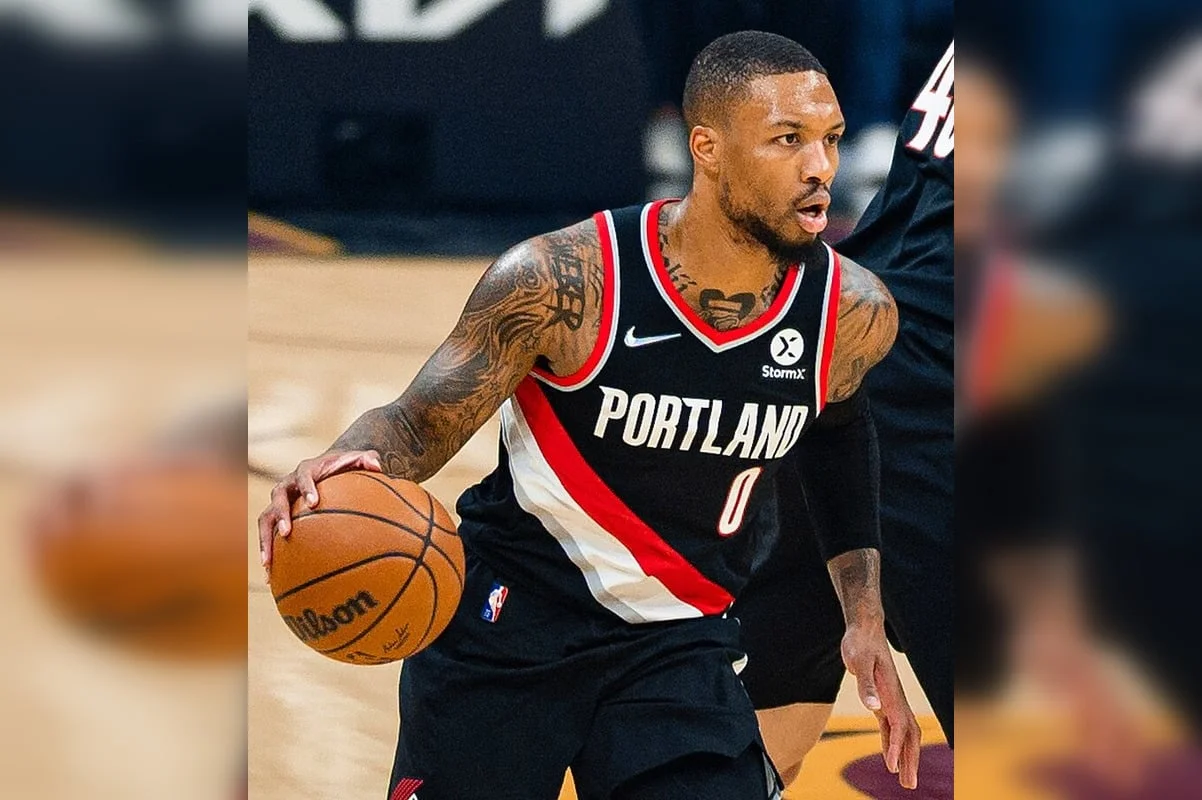

This week, Damian Lillard confirmed his decision to re-sign with the Portland Trail Blazers, the only NBA team he had known for the first 11 years of his career. This development comes after Lillard was unexpectedly waived by the Milwaukee Bucks earlier this summer as part of a drastic effort to reduce costs. The Bucks’ acquisition of Lillard from Portland, once seen as a major move, has now become one of the most unsuccessful trades in recent NBA memory.
With Lillard back in Portland, the gravity of the failed trade deal becomes even clearer, further underscoring how poorly the Bucks fared in this transaction.
What Portland Sacrificed in the Trade
The trade, finalized in September 2023, was a complex three-team deal involving the Milwaukee Bucks, Portland Trail Blazers, and Phoenix Suns. In return for Damian Lillard, the Bucks sent Jrue Holiday, a 2029 first-round draft pick, and unprotected rights to swap first-round picks in 2028 and 2030 to Portland, while also sending Grayson Allen to Phoenix.
From Portland’s perspective, the trade meant parting with Lillard, along with Jusuf Nurkic, Nassir Little, and Keon Johnson. In exchange, the Blazers received Jrue Holiday, the draft picks and swap rights from Milwaukee, and Toumani Camara and Deandre Ayton from Phoenix.
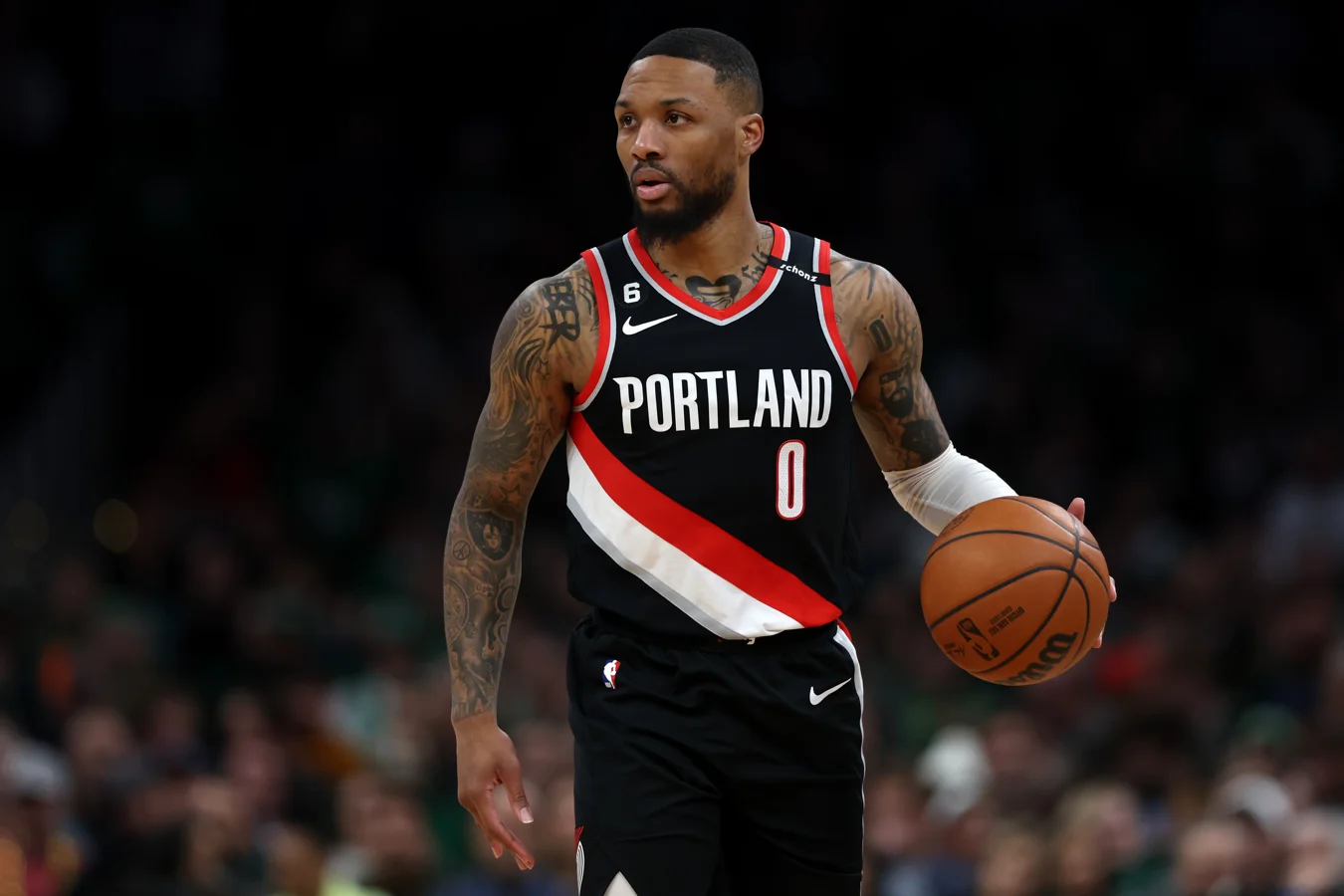
However, some pieces quickly lost value. Keon Johnson was waived by the Suns within a month of the trade and later joined the Brooklyn Nets, where he averaged 10.6 points per game last season as a starter. Despite that output, Johnson’s career shooting percentage of 37.9% indicates he has struggled to secure a reliable role in the league. Nassir Little also proved problematic, as his contract was cut by the Suns, complicating their roster decisions related to high-profile players like Bradley Beal. Little now continues his career playing in Japan.
Ultimately, Portland’s main outgoing players were really just Lillard and Nurkic. Nurkic, who remains a solid contributor, was later traded to the Utah Jazz in a surprising deal with the Charlotte Hornets. With Lillard’s return to Portland, Nurkic stands alone as the primary departing piece from that trade.
Despite losing their franchise star, the Blazers received a significant package of assets through this exchange.
How the Bucks Ended Up Nearly Empty-Handed
Jrue Holiday’s time with Portland was fleeting. Within days of the trade, he was shipped to the Boston Celtics in a deal that brought Malcolm Brogdon, Robert Williams, the Golden State Warriors’ 2024 first-round pick, and Boston’s 2029 first-round pick back to the Blazers. Months later, Brogdon, those picks, and two second-rounders were traded to the Washington Wizards for Deni Avdija. This ongoing series of moves has kept the full impact of the trade in flux.
Meanwhile, Deandre Ayton failed to meet expectations. Rumors about his lack of work ethic and minimal on-court improvement led to his contract buyout earlier this summer. Ayton has since signed with the Los Angeles Lakers, aiming to revive his career. The Bucks benefit financially by saving money from his departure, but will essentially continue paying for a player now on another team.
Still, Ayton’s costs are counterbalanced somewhat by the value found elsewhere. Toumani Camara has emerged as a promising young player who could be a cornerstone for Milwaukee. Deni Avdija is having a career-best season in 2024-25, and together with Camara, they form a forward duo that offers potential for the Bucks’ immediate future. Additionally, the four future first-round picks involved remain pending and could prove valuable as the Bucks navigate a challenging phase.
Although trading bundles of first-round picks and swap rights is common, this deal illustrates one of the most lopsided outcomes. Portland sacrificed Nurkic, two future second-round picks, and Johnson—who they could have re-signed anyway if deemed valuable—yet received Avdija, Camara, Williams, two first-round picks, two swap rights, and a substantial salary cap discount.
The Bucks, by contrast, have been left with virtually nothing tangible to show for their investment.
Our Reader’s Queries
Q. Why did Damian Lillard choose 0?
A. When Damian Lillard chose jersey number 0, he intended it to symbolize the letter “O.” This letter stands for Oakland, his hometown; Ogden, where he went to college; and Oregon, the state where he currently plays basketball.
Q. Did Damian Lillard score 70?
A. Lillard’s postgame celebrations ended quickly because he was selected for a drug test. His outstanding performance put him among the NBA legends. Scoring 71 points, he achieved the eighth-highest points in a single NBA game, but it’s still far from Wilt Chamberlain’s 100-point record set in 1962.