
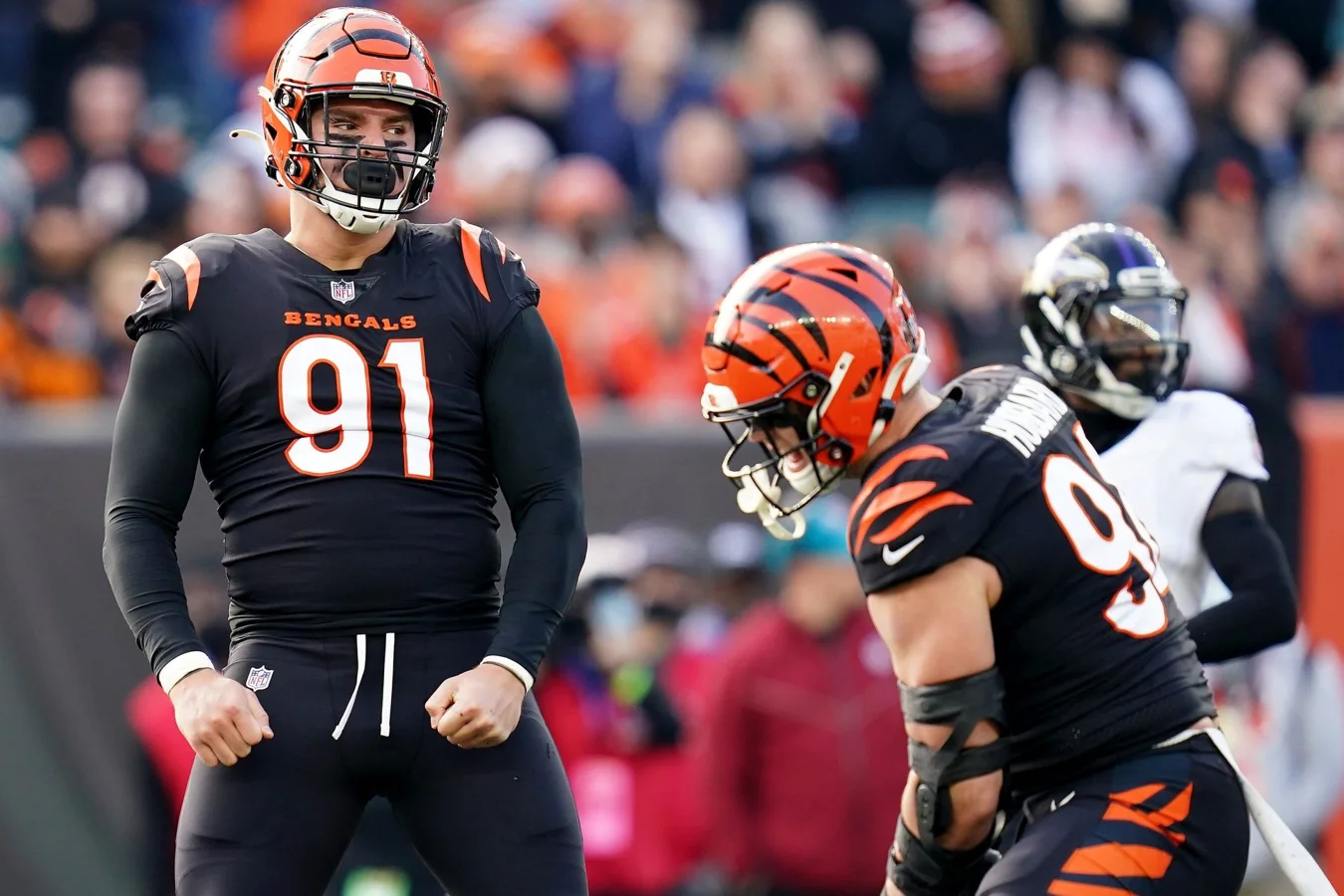

The Cincinnati Bengals have recently made significant changes in their front office by promoting Steven Radicevic, Mike Potts, and Trey Brown to assistant general manager positions, marking a first in the franchise’s history. This move comes amid a tense contract holdout involving key players, with defensive end Trey Hendrickson emerging as a prominent voice of resistance within the Bengals locker room.
For more than 30 years, the Bengals have operated under the steady hand of the Brown family, particularly Mike Brown, who has led the franchise with a cautious financial approach and strong loyalty. However, the recent promotions signal a possible shift in how decisions are being made at the organization’s highest levels during a period of unrest on the roster.
Elevating Experienced Team Members to Strengthen Decision Making
These new assistant general manager roles are far from symbolic; they represent deeper involvement in shaping contract negotiations and team-building strategies. Steven Radicevic, recognized as the team’s contract guru and salary cap expert, played a crucial role in securing key players like quarterback Joe Burrow and linebacker Logan Wilson. Mike Potts has served as Director of College Scouting since 2015, helping assemble a draft class featuring notable talents such as Ja’Marr Chase, Cam Taylor-Britt, and Dax Hill, which contributed to the Bengals’ recent improvement.
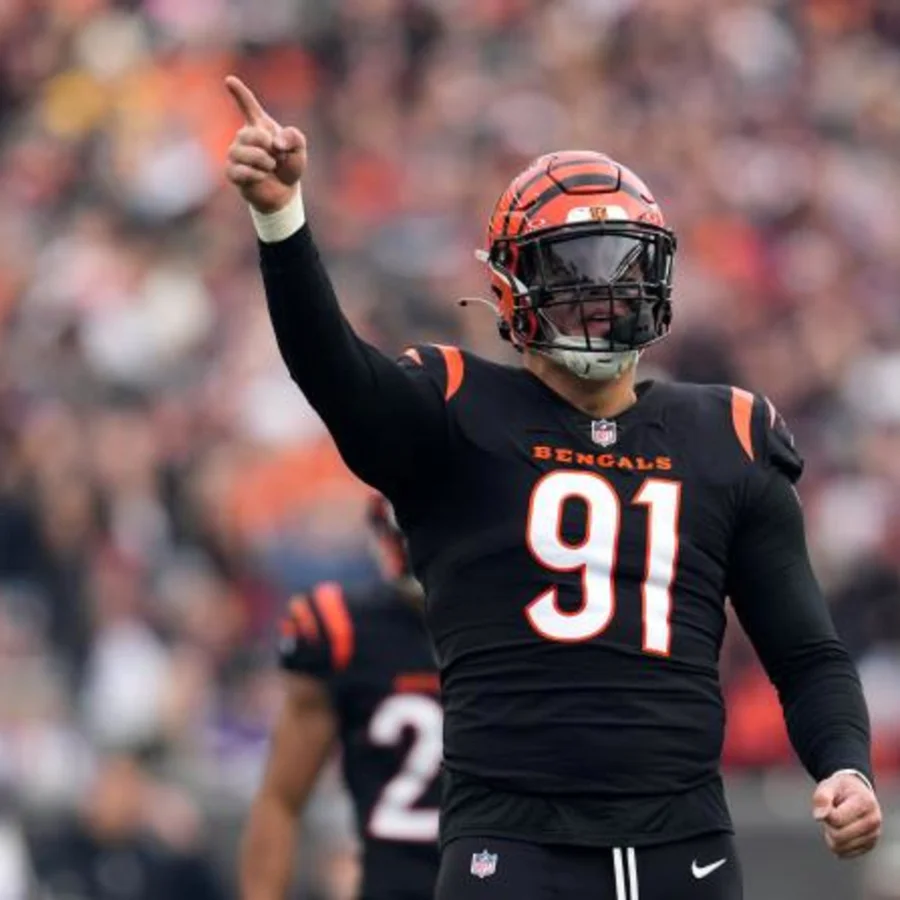
Trey Brown brings a wealth of experience from various football environments including the Eagles, Patriots, and even the XFL, injecting a fresh perspective into the Bengals’ leadership. This broad background adds a new edge to the front office, especially as the team navigates the current player dissatisfaction.
Trey Hendrickson Leads a Quiet but Growing Locker Room Protest
The Bengals’ veteran pass rusher, Trey Hendrickson, has become the most visible figure representing the player holdout movement within the locker room. Alongside rookie defensive lineman Shemar Stewart and second-round linebacker Demetrius Knight, who remains unsigned, Hendrickson’s stance has shifted what began as isolated negotiations into a collective challenge to the organization.
These contract disputes signal deeper tensions under the surface, as these players push back against the existing structure and seek better terms. Hendrickson’s position as a Pro Bowl pass rusher lends weight to the ongoing standoff, drawing attention to unresolved issues between the team‘s management and its athletes.
Longstanding Family Control Faces Calls for Adaptation
The Browns’ decades-long control of the Bengals has often emphasized frugality and tradition, qualities that have both stabilized and constrained the franchise in equal measure. Mike Brown’s leadership style, marked by loyalty and reluctance toward bold change, is now facing pressure as the club confronts evolving expectations from its players and stakeholders.
This front office restructuring could reflect a subtle but important willingness to adapt, even as many observers question whether this is a meaningful transformation or primarily a cosmetic effort aimed at quelling fan frustrations.
Implications for the Bengals’ Future and Organizational Dynamics
The recent promotions and ongoing contract disputes underscore a pivotal moment for the Bengals organization. How the team manages these internal conflicts may influence its success both on and off the field. Elevating voices like Radicevic, Potts, and Trey Brown appears intended to modernize decision-making and improve player relations amidst rising tensions.
Trey Hendrickson’s visible defiance may also signal a broader shift in player empowerment within the Bengals locker room, suggesting a potential realignment of power dynamics between management and athletes. How these negotiations unfold could impact team morale and performance in the upcoming <a href=”https://www.buzzineintl.com/category/football/nfl/”>NFL season, making this a story with significant implications for Cincinnati’s football future.