

Formula 1 icon Nigel Mansell expressed strong confidence that Williams can recover and return to leading positions in the championship. Speaking ahead of the season’s second half, Mansell highlighted the team’s improved performance under new leadership and driver additions as a sign of positive momentum for Williams F1 bounce back prospects.
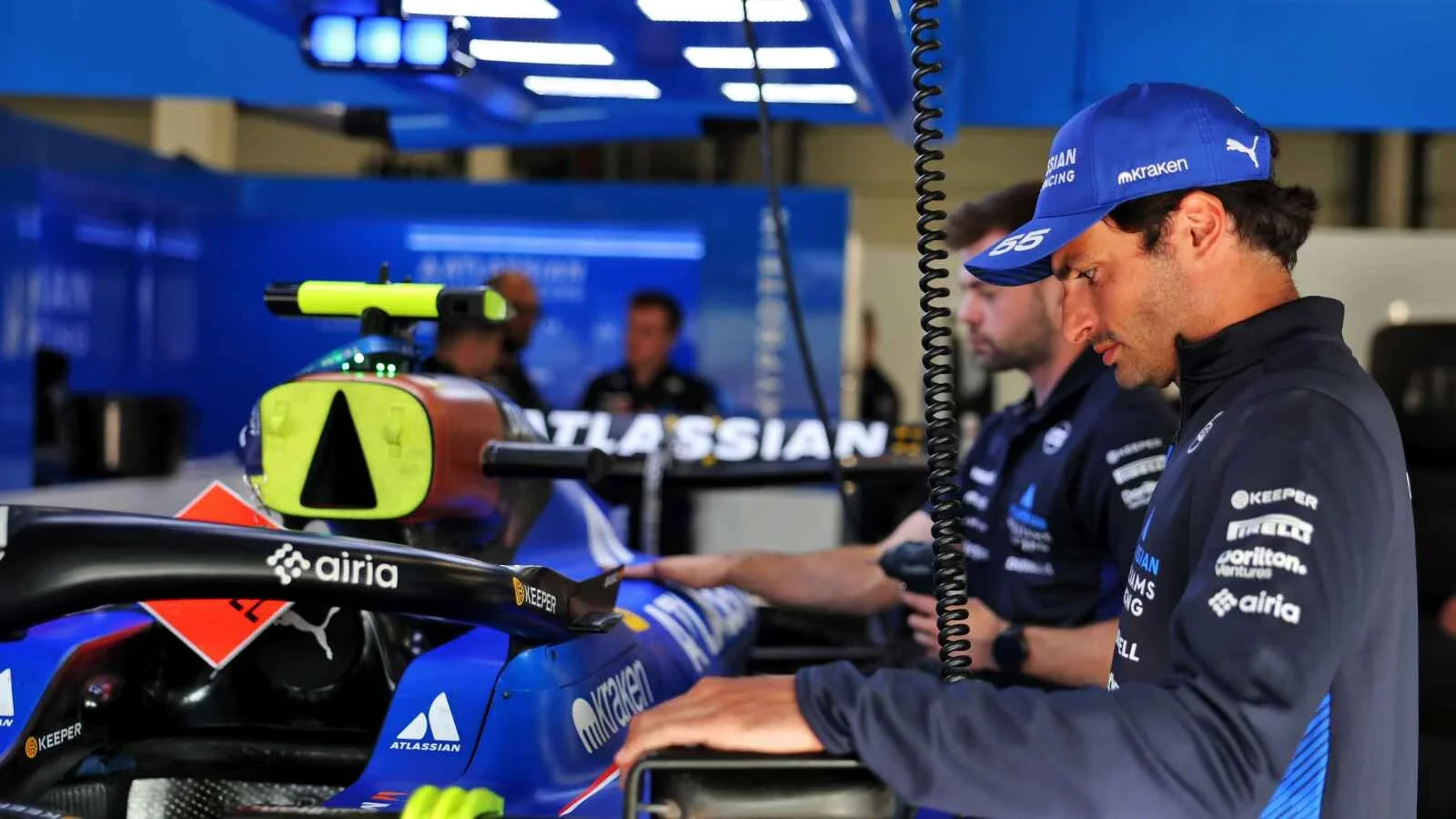
The Grove-based squad has advanced to fifth place in the constructors’ standings midway through the season, boosted by drivers Alex Albon and newcomer Carlos Sainz. This progress follows a detailed internal review spearheaded by team principal James Vowles and supported by the team owner, Dorilton Capital. The recruitment of Sainz, a four-time Grand Prix winner, along with a sponsorship deal from Atlassian, have further strengthened the team’s position after climbing from ninth in last year’s championship.
Mansell, who claimed his 1992 world title driving the successful Williams FW14B, believes Williams now possesses the essential elements needed for success. However, he emphasized the challenge of maintaining consistency across the full 24-race calendar, especially after a mid-season dip that saw the team collect only five points over four rounds.
There is no reason they shouldn’t bounce back now,
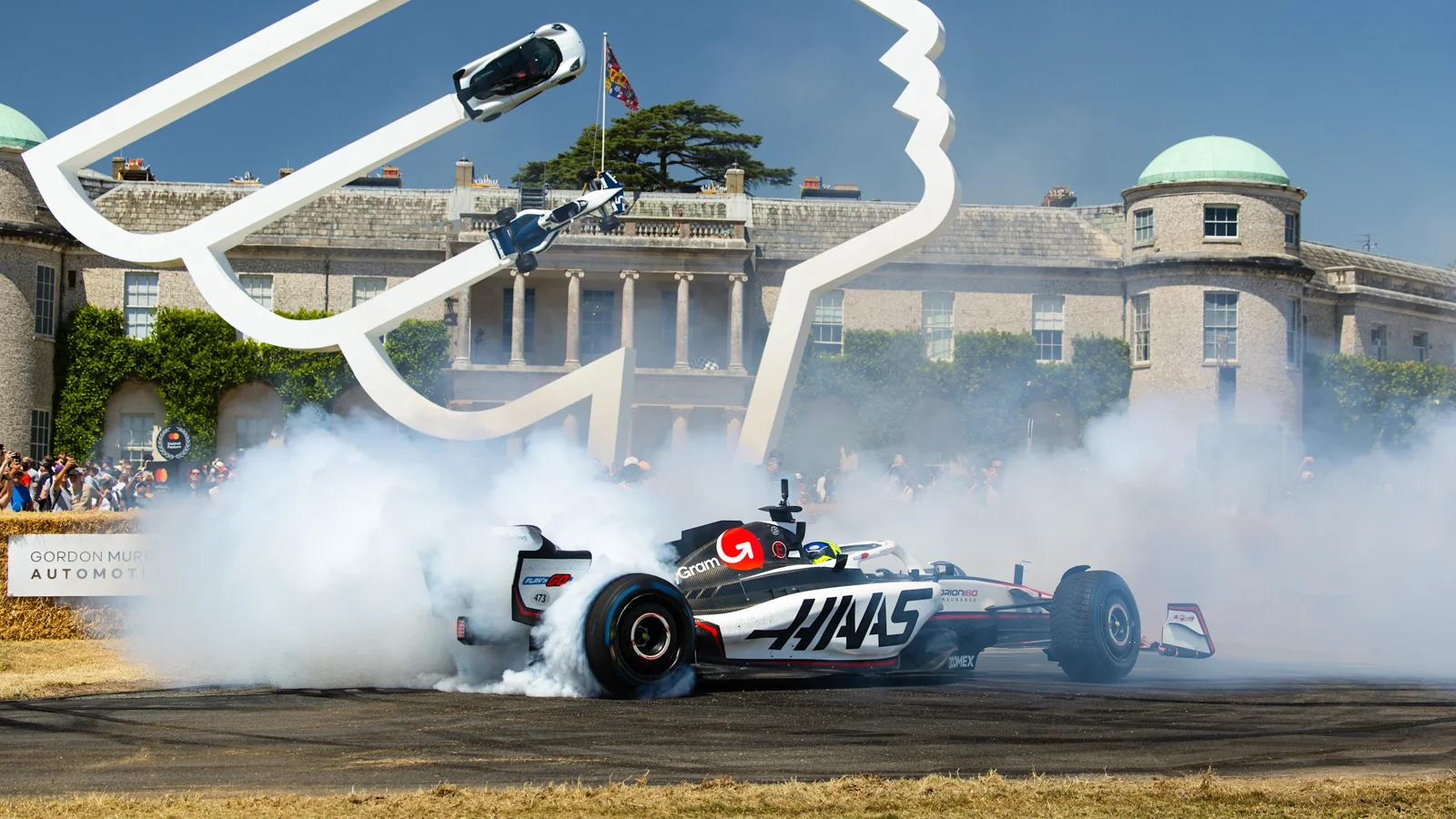
Mansell said at the Goodwood Festival of Speed.
They have got the funding. The leadership is there.
He acknowledged the team suffered a few poor races but stressed their raw pace was evident.
It’s just a question of being on it every weekend.
Mansell also noted the difficulty of sustaining high performance throughout the extensive season, stating,
It’s a 24-race programme, you can’t make any slips. It’s so easy to make a mistake and it’s a few teams that do.
Impact of F1’s grueling 24-race calendar
The demands of Formula 1’s expanded 24-round schedule remain a hot topic, particularly regarding the strain placed on drivers and team personnel. While Liberty Media has successfully negotiated contracts with new circuits worldwide to grow the sport’s international appeal, some critics warn this expansion may oversaturate the series.
When Mansell raced full-time in F1 during 1992, the calendar contained just 16 events—significantly fewer than today’s schedule. He pointed out, however, that testing regulations were more lenient, and drivers often undertook extensive travel and testing alongside racing commitments.
Unlike today’s teams, which must often share staff duties between racing and simulator sessions, earlier teams separated testing from race operations, reducing workload stress on race personnel. Mansell explained, We didn’t have simulators. Although we had 17 or 18 races, we went around the world testing as well as racing. I’m not sure they do the same amount of travelling we used to do.
He also recalled the sheer volume of pre-season track testing required at the time, emphasizing,
We did an incredible amount of testing pre-season, all over the world, and more testing before going into the races.
Mansell’s perspective on current circuit design and fan engagement
Reflecting on today’s tracks, Mansell expressed a desire for the return of more challenging, old-school corners, but improved with modern safety standards to accommodate contemporary F1 cars. Much of the current calendar consists of circuits designed by Hermann Tilke, recognizable for combining long straights with slow chicanes that reduce speed.
Mansell reminisced about an era when fans were much closer to the action, often standing in the pits and engaging directly with teams.
I raced in Formula 1 where fans used to be in the pits with us and could touch the cars,
he said.
You are talking to your engineer and they are kind of sat next to you.
While acknowledging the safety risks of past tracks, he described these conditions as tests of bravery and skill. Mansell advocated for bringing back some of the more demanding corners with updated safety arrangements, stating,
I’d like to see some of those corners come back with the safety. So the barriers can be moved further back, put a few more challenging corners out there with a small kerb, that you can’t just run over and run back on the circuit with no penalty.
Williams F1’s future prospects under new management and lineup
Williams’s recent turnaround under James Vowles’s leadership and with backing from Dorilton Capital signals promising Williams F1 bounce back prospects. The combination of experienced drivers like Alex Albon and Carlos Sainz, along with enhanced financial support and technical resources, equips the team to contend more strongly in upcoming races.
Nonetheless, the team must navigate the physical and strategic demands of a lengthy 24-race season without lapses. Mansell highlighted that maintaining pace and reliability every weekend will be crucial to capitalizing on their current gains. The next races will be critical in revealing if Williams can sustain this upward trajectory and challenge higher up the field in the constructors’ championship.
Our Reader’s Queries
Q. Is number 13 banned in F1?
A. Yes, 13 is permitted. Pastor Maldonado chose #13 when the fixed number system started in 2014. Despite being seen as unlucky in some traditions, F1 let drivers decide.
Q. Which F1 driver has ADHD?
A. Lewis Hamilton, born in 1985, is a British Formula One driver who races for Mercedes and used to drive for McLaren. Open about his experiences with ADHD, he also shares his many interests and hobbies.
Q. Is 69 allowed in F1?
A. Right now, drivers can choose a number between 0 and 99, except for 1. Only the World Champion can use number 1. A number can be chosen by someone else if the driver hasn’t raced for two years, unless it’s the number 1.
Q. Which F1 drivers have ADHD?
A. Lewis Hamilton, full name Sir Lewis Carl Davidson Hamilton MBE HonFREng, was born in 1985. He is a British racing driver in Formula One, currently racing for Mercedes. In the past, he also raced for McLaren. Hamilton openly shares his experiences with ADHD and explores his various interests and passions.