
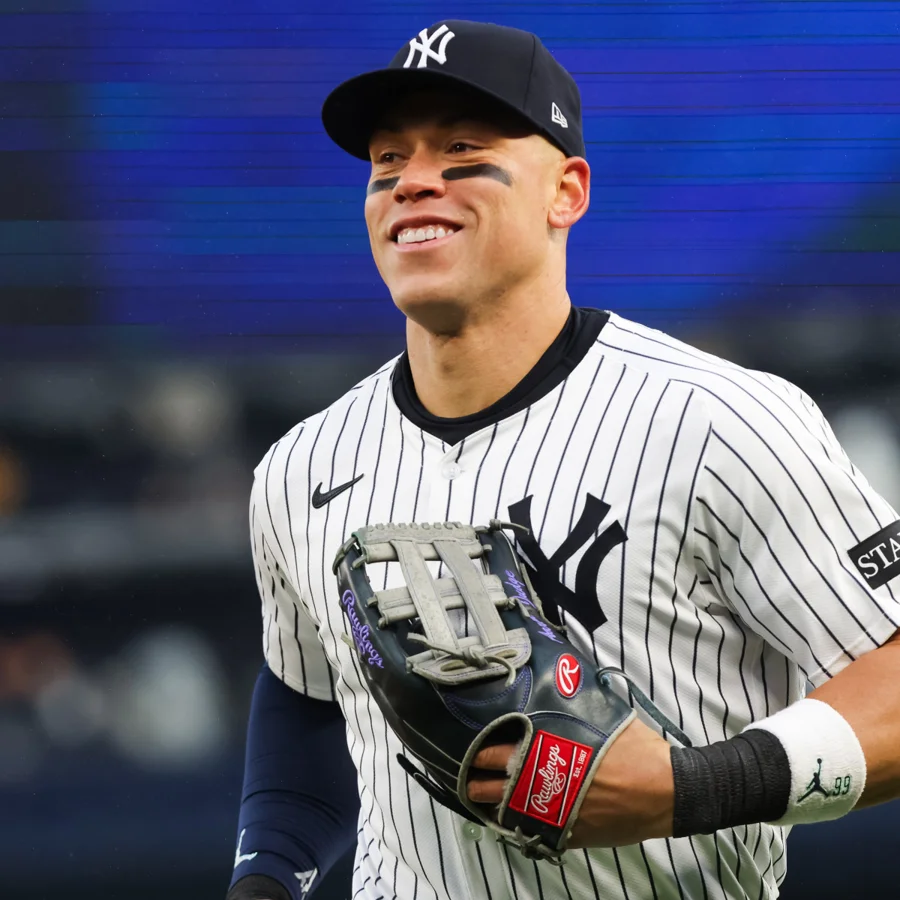

What if the St. Louis Cardinals had the draft acumen of an organization like the New York Yankees? Reflecting on the Cardinals’ draft picks over the last 15 years, one wonders how different the team might look today if some of baseball‘s biggest names, including Aaron Judge, had been selected by St. Louis. The “Aaron Judge Cardinals draft impact” is a question that highlights what might have been if draft decisions had gone differently.
The Cardinals have acknowledged that their minor league system has faced challenges in recent years. Yet, imagining a scenario where the Cardinals possessed the best player evaluators and the most effective scouting personnel raises the possibility of a team built on more consistent, standout drafts. This retrospective takes a look at premier first-round selections from around 2010 onward and analyzes players the Cardinals could have chosen instead of those they actually drafted.
Missed Opportunities: Who the Cardinals Passed On
Between 2010 and 2021, several key players slipped past the Cardinals’ picks, many of whom became major <a href=”https://www.buzzineintl.com/category/baseball/mlb/”>MLB contributors. For example, in 2013, the Cardinals picked Marco Gonzales at 19th overall, while Aaron Judge was available three picks later. Other examples include Blake Snell (2011), Max Muncy (2012), and Walker Buehler (2015), all players who could have shifted the St. Louis roster significantly.
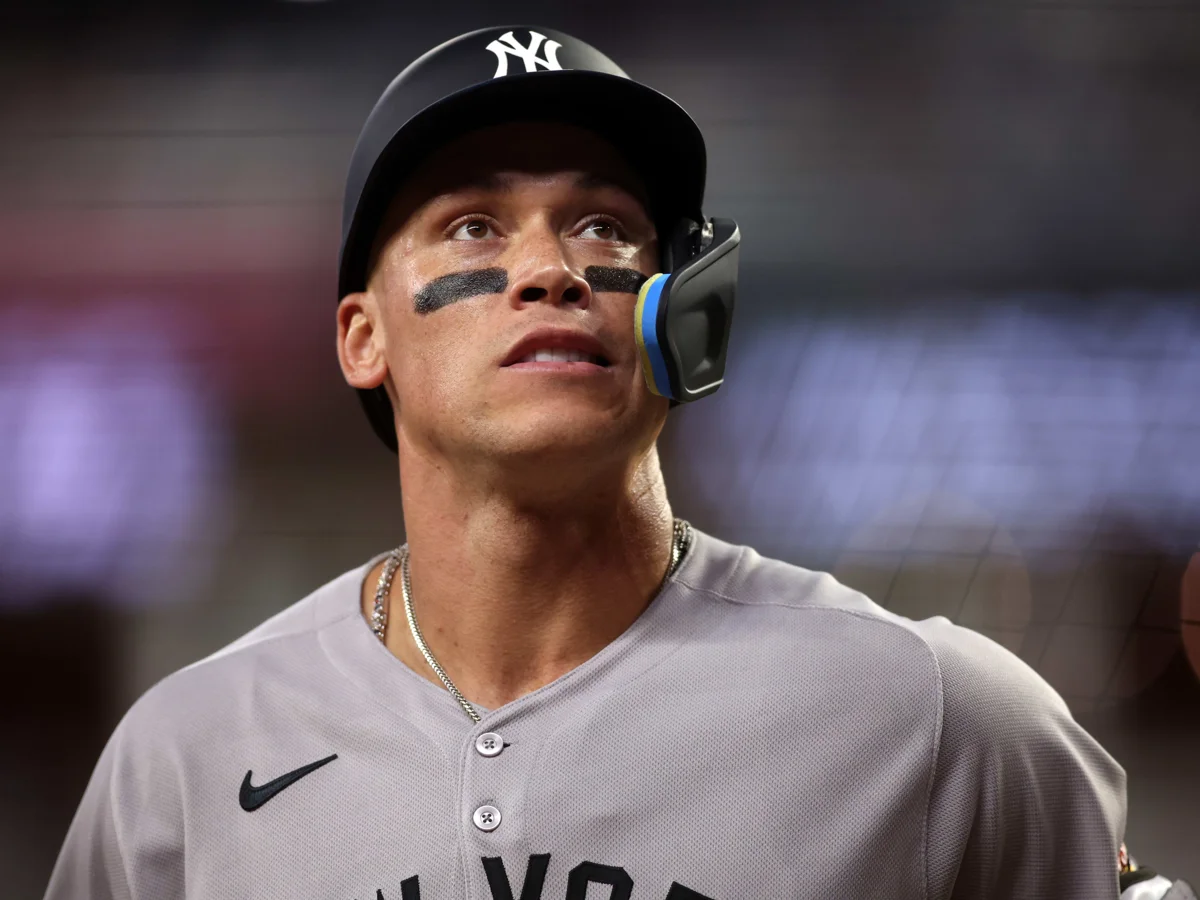
Here’s a snapshot of notable differentials from select drafts:
- 2010: Zack Cox (25th) instead of Noah Syndergaard (382nd)
- 2011: Kolton Wong (22nd) instead of Blake Snell (52nd)
- 2013: Marco Gonzales (19th) instead of Aaron Judge (32nd)
- 2015: Nick Plummer (23rd) instead of Walker Buehler (24th)
- 2016: Delvin Perez (23rd) instead of Pete Alonso (64th)
- 2019: Nolan Gorman (19th) instead of Cal Raleigh (90th)
- 2020-21: Jordan Walker instead of Spencer Strider (126th)
Such differences illustrate how varying draft strategies could have built a much stronger foundation for the Cardinals.
Imagining a Rotation Built from Ideal Draft Picks
Had the Cardinals selected some of these alternate players, their pitching staff alone might look quite different today. An ideal starting rotation composed entirely of draft picks could include Noah Syndergaard, Blake Snell, Dylan Cease, Walker Buehler, and Spencer Strider. Each has proven to be impactful in their careers, suggesting a rotation like this would provide significant strength on the mound.
This hypothetical pitching staff contrasts with what the Cardinals have developed, underscoring how a few key differences in scouting and selections may have transformed the team’s competitive outlook.
The Cost-Benefit of Superior Scouting and Drafting
While acknowledging the Cardinals are not necessarily the worst at drafting—since as many as 31 teams passed on Aaron Judge, and Cal Raleigh went as late as the 90th pick—the idea remains that strong scouting departments provide tremendous value. Hiring the best evaluators and scouts from other organizations may not guarantee flawless results, but it would substantially raise the chances of selecting impactful players.
Moreover, investing in scouting infrastructure and player development is often more economical than acquiring top free agents, whose contracts can dwarf the combined salary of an entire scouting team. This approach could improve draft outcomes and build a sustainable core of talent.
Looking Ahead: The Cardinals’ Draft Prospects and Future
The Cardinals reportedly had a productive draft in the most recent year, a step toward reversing some past challenges. If the organization can continue to develop talent akin to players like Aaron Judge and avoid picks that haven’t panned out, they may be entering a new phase with more consistent success.
For fans and analysts alike, the question of “What if?” remains a fascinating exercise in imagining the potential impact of different draft choices, and it highlights the crucial role of scouting and player evaluation in shaping a franchise’s future.
Our Reader’s Queries
Q. What’s special about Aaron Judge?
A. Aaron Judge is famous for hitting lots of home runs. He has achieved three seasons with 50 or more, a rare feat shared by only five players in history.
Q. How old was Aaron Judge adopted?
A. Aaron Judge was born on April 26, 1992, and adopted the next day by Patty and Wayne Judge, who both worked as teachers. Around the age of ten, Judge noticed he looked different from his parents, which led him to understand he was adopted.
Q. Did Aaron Judge know he was adopted?
A. When he was about 10 years old, he realized he was adopted because he noticed he didn’t resemble his parents. It was a closed adoption, so he hasn’t interacted with his biological parents. Aaron Judge, a key player for the New York Yankees, has earned many awards since he started in Major League Baseball in 2016.
Q. Who taught Aaron Judge to hit?
A. Richard Schenck, known as @Teacherman1986 on social media, created the High Level Pattern Hitting System. This approach is used by Aaron Judge and many other baseball players, from professional leagues to youth sports. Both men and women benefit from this system.