

The Las Vegas Raiders have faced significant roster decisions in recent times, stirring considerable debate among fans and analysts about the direction of the team. A focal point of this discussion centers on the Raiders’ choice last offseason to part ways with running back Josh Jacobs, a move reflecting a wider NFL trend of teams hesitating to commit heavily to aging running backs.
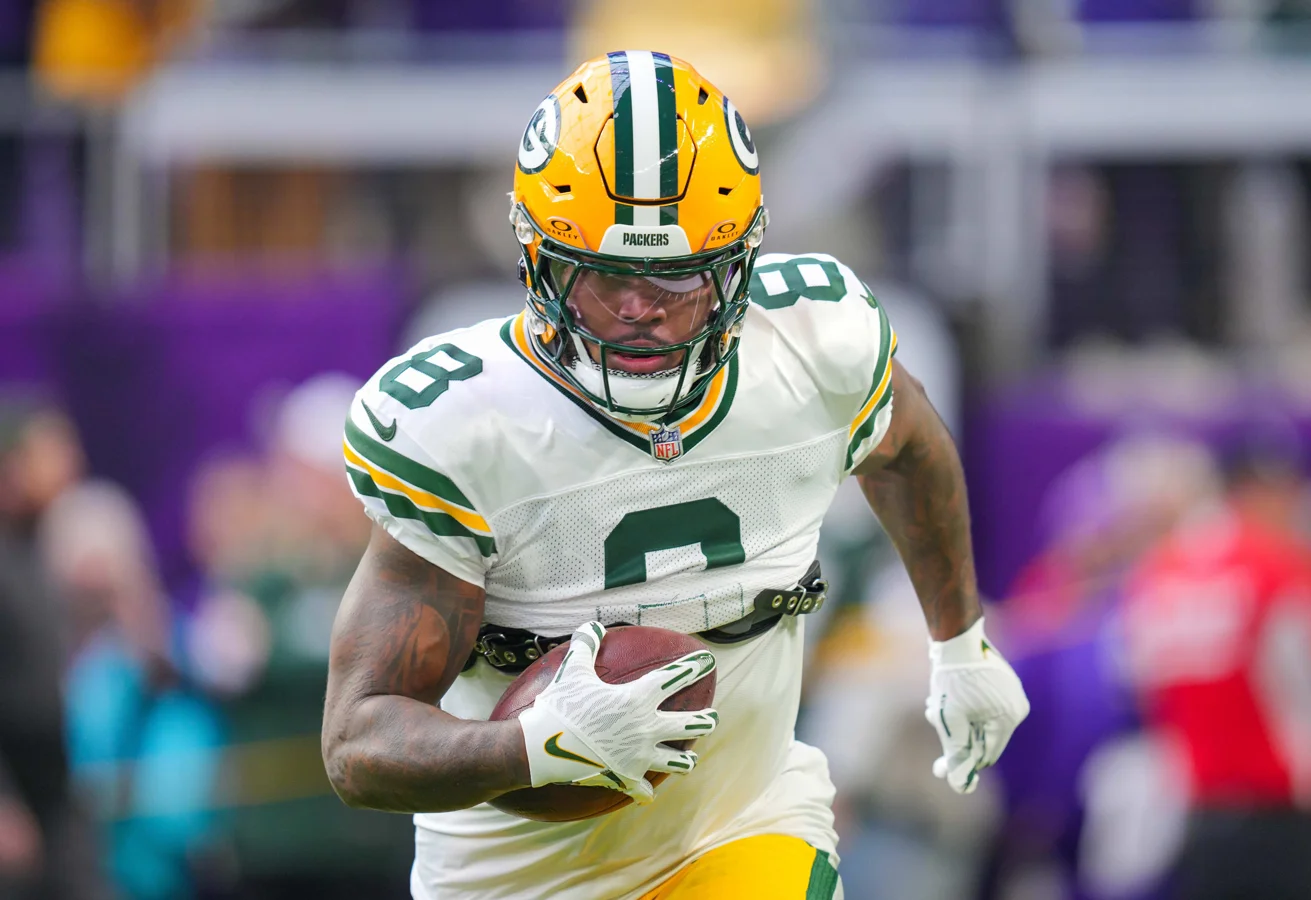
After leaving Las Vegas, Jacobs signed with the Green Bay Packers, where he demonstrated his sustained value by rushing for over 1,000 yards last season. His success in Green Bay’s offensive system highlights his ability to thrive in an environment enriched with supporting talent, contrasting with the challenges he faced in Las Vegas.
Josh Jacobs’ Impressive Comeback and Award Potential
Jacobs’ on-field resurgence has sparked conversations about his potential to earn major honors. NFL analyst Bucky Brooks has specifically identified Jacobs as a strong candidate for the Offensive Player of the Year Award this season. This recognition suggests that Jacobs’ skills and endurance remain sharp, defying doubts that often arise when veteran running backs hit a certain age.
The running back’s performances have not only quieted critics but also raised questions about the Raiders’ evaluation process. Was the decision to prioritize younger players at Jacobs’ expense the right move? His continued success with the Packers casts a reflective light on the Raiders’ roster-building strategy and whether gambling on youth will pay off as expected.
Raiders’ Commitment to Developing a Young Core
While Jacobs excels in Green Bay, the Raiders are committed to building around a younger nucleus of players, relying on fresh talent and potential to shape their future. This approach aims to rejuvenate the team’s identity and promises long-term benefits, though it comes with inherent risks, especially as a proven player like Jacobs thrives elsewhere.
The decision to prioritize youth over experience underscores the tension many NFL franchises face between immediate impact and future growth. The Raiders’ gamble reflects a strategic calculation, with outcomes to be judged as the current season develops and their young players gain more exposure.
Implications for Team Strategies and the NFL Landscape
Josh Jacobs’ journey exemplifies the complexities inherent in NFL roster and contract decisions. His emergence as a leading Offensive Player of the Year contender underscores how player performance can challenge conventional wisdom about age and value. Meanwhile, the Raiders’ youth movement highlights the optimistic but uncertain path teams must navigate to remain competitive.
As the NFL season progresses, observers will be closely watching both Jacobs with the Packers and the Raiders’ young roster to evaluate which approach yields the best results. Their contrasting trajectories will continue to fuel an important conversation about balancing risk, reward, and the unpredictable nature of professional football talent management.