

For many years, college basketball players in the United States served primarily as rising talents aiming for major professional leagues, without compensation despite the value they generated for sponsors and teams. This dynamic shifted significantly after 2019 when the Supreme Court approved the ‘Fair Pay to Play Act,’ allowing college athletes to earn money from their name, image, and likeness (NIL). By July 2021, the NCAA formalized these policies, officially permitting athletes to benefit financially from endorsements and other NIL deals.
Public Debate Surrounding NIL Compensation
The introduction of NIL rights sparked widespread public support, but the concept also faced notable criticism. Some opponents argue that paying college athletes could diminish their competitive drive. However, supporters highlight that NIL opportunities provide essential compensation for those athletes who may not reach professional leagues, recognizing their commitment and hardships. The ongoing debate frames the evolving landscape of college sports and athlete compensation.
Allisha Gray’s Perspective on NIL and Its Personal Impact
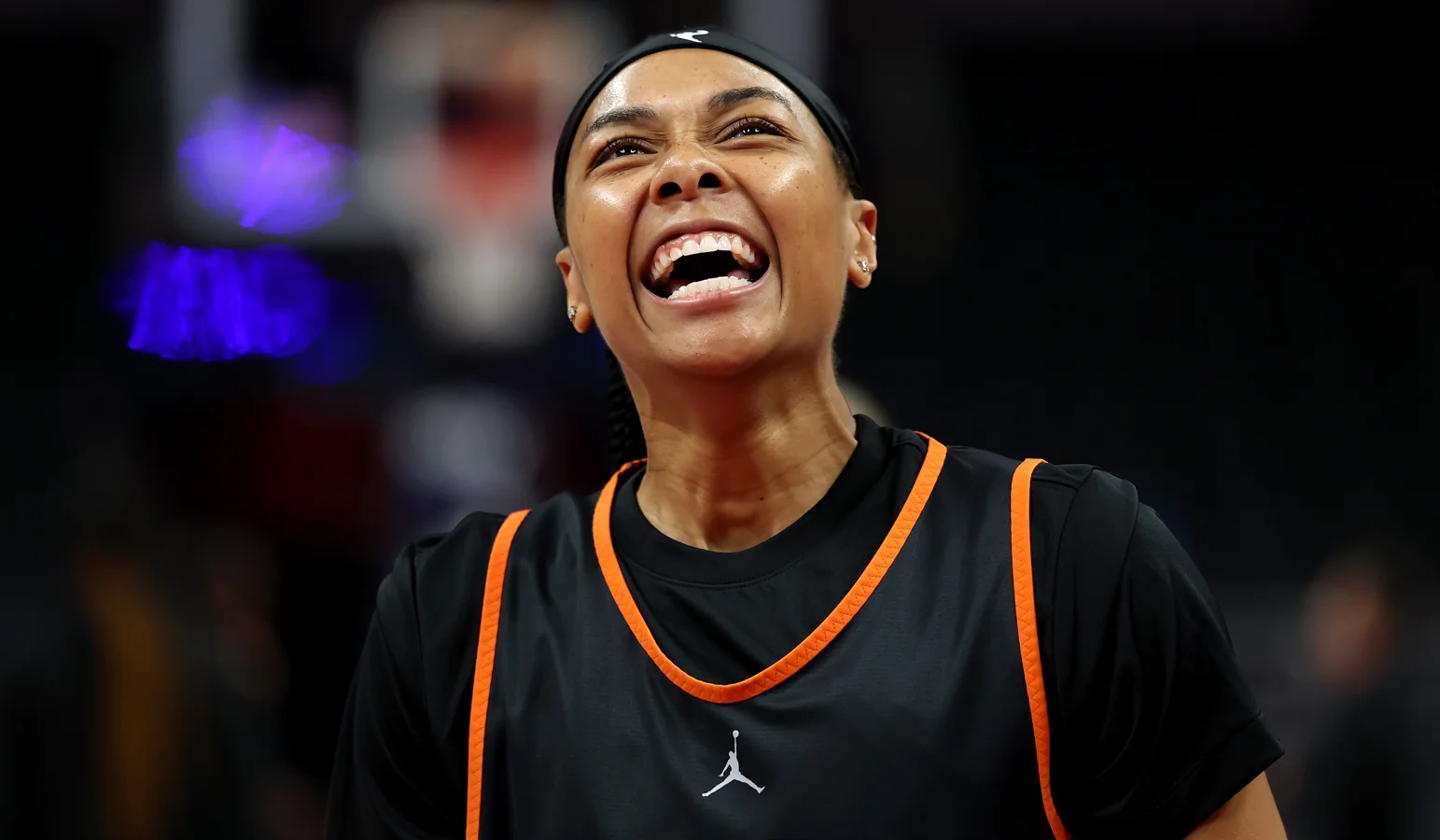
WNBA star Allisha Gray shared her thoughts on the influence NIL could have had on her collegiate career during an appearance on the Club 520 podcast. Reflecting on those earlier years, Gray joked about the lifestyle she might have led with NIL earnings. She said,
“I would have used the money nicely,”
and added,
“Man, I would be dressed, rolling up in Ferraris and all that,”
expressing a lighthearted wishfulness about the financial freedom NIL could have provided. Starting college basketball in 2014, Gray experienced the period just before the formal introduction of NIL rights when calls for athlete compensation were intensifying.
The Scale of NIL Deals in Today’s College Sports
During the conversation, the host proposed a hypothetical NIL payout of around half a million dollars and asked whether Gray might have spent it quickly. She responded with a laugh and said, “I’mma live the dream.” While this amount would have been substantial for most college athletes, it is relatively modest compared to the largest deals today. For example, Duke’s basketball standout Cooper Flagg reportedly earned $28 million through NIL contracts, including a $13 million deal with New Balance and a $15 million agreement with Fanatics, as confirmed by longtime sports journalist Howard Bryant.
Gray’s Approach to NIL Earnings and Decision-Making
Despite the temptation of lavish spending, Gray indicated she would balance indulgence with responsibility. She stated clearly,
“I’mma look out for them too but you know I have got to treat myself nicely.”
She also recalled that when multiple college offers began arriving, she initially let friends open the letters for her. However, this changed when her father urged her to prioritize her options thoughtfully. Gray shared,
“And then it got to a point where my dad was like, ‘All right, now like you need to narrow the list down and let these people know like where you have an idea going,’”
before concluding,
“And then once that happened, I chose the first college I was gonna go to.”
Learning from Experience and Building a Successful Career
Gray acknowledged that she made mistakes during these early stages but took them in stride. She said, “Everybody makes mistakes,” with a laugh, reflecting on how those experiences helped shape her path. Her progression into a professional career in the WNBA stands as evidence of her growth and determination despite the challenges faced. Allisha Gray’s story underscores the transformative potential of NIL rights for college athletes, both in terms of financial opportunity and personal development.
Significance of NIL Earnings for Current and Future Athletes
The advent of NIL earnings marks a turning point in collegiate sports, offering athletes unprecedented control over their financial futures. This shift not only allows players like Gray to envision different lifestyles but also provides critical support for those who may not reach professional ranks. As NIL policies continue to evolve, athletes across the country are better positioned to capitalize on their brands while balancing educational and athletic goals, reshaping the college sports landscape for years to come.
Our Reader’s Queries
Q. What is Allisha Gray’s salary?
A. Between 2021 and 2025, Allisha Gray is a free agent. She agreed to a 3-year contract with the Dallas Wings valued at $494,400, which is fully guaranteed. Her average yearly pay comes out to $164,800. In 2025, Gray’s basic salary will be $190,000. This amount will also be her cap hit and dead cap value.
Q. How much does Allisha Gray make?
A. Archie Gray, a midfielder for Leeds United, is set to earn £75,000 a week at Brentford, as reported by talkSPORT. Leeds made an unexpected decision to sell Gray to Brentford. Despite his ties with Leeds, Gray is ready to move to the capital.