

Andre Agassi revealed why therapy did not help him during his professional tennis career, sharing that he only gained clarity by looking back after retirement. The American tennis star retired at the 2006 US Open with eight Grand Slam titles and later discussed his difficult journey in his 2009 autobiography, where he openly admitted to hating tennis despite his success.
Although Agassi detailed his struggles, including drug use, he expressed skepticism about therapy in a 2009 interview with the Las Vegas Review Journal. He explained that revealing vulnerabilities in the cutthroat world of professional tennis felt illogical and even dangerous.
“I dabbled in that for a while, attempting to make sense. But you just can’t do it. It’s not logical in the life you live out there on tour, to open yourself in a way where you admit these weaknesses. It’s dog-eat-dog out there. You eat what you kill. It’s very conflicting to try to understand yourself in that world. That’s why I did the book now. I’ve had time to look back and make sense of it,” Andre Agassi said.
Since then, Agassi has shifted his stance on mental health in sports, emphasizing the importance of a culture rooted in honesty and open communication. He pointed out that it would be unusual for any professional tennis player not to face significant mental challenges under such intense pressure.
Feeling Like an Outsider Among Athletes
In the same interview, Agassi described feeling like an outsider when hearing other athletes express enthusiasm for their sports. He admitted to doubting their sincerity due to his own complicated relationship with tennis. The former World No. 1 reflected on the long time it took him to appreciate the benefits tennis brought him after enduring hardships during his early career.
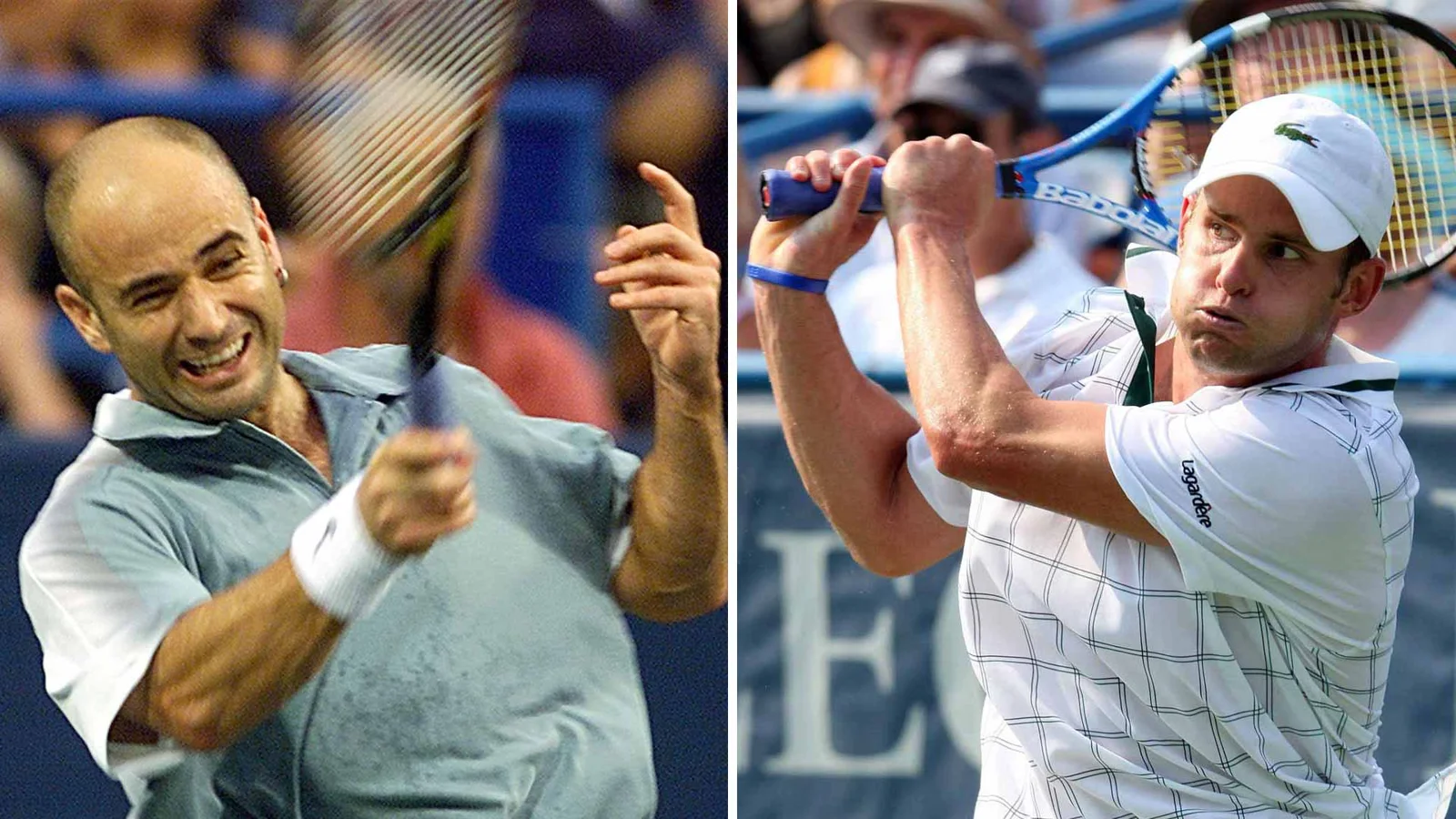
“I hear other athletes talk about how they feel about their sport, and I feel like an alien. I don’t know if they’re just positioning — straight up lying — for the sake of that upper edge, or if they really feel that way, or if they’re trying to make us believe it. I never identified with it. Tennis came with a greater cost to me until I was about 27 years old, and then I started to come to terms with what it was giving to me, once I chose it,” Agassi said.
Agassi found understanding in his wife, fellow tennis champion Steffi Graf, who validated his negative feelings about the sport. Her ability to maintain joy despite her own struggles served as inspiration for Agassi throughout his post-retirement reflections.
Understanding the Mental Toll of Professional Tennis
Andre Agassi’s candid admissions shed light on the intense pressures elite tennis players face, where mental and emotional struggles are often hidden or suppressed. The harsh environment described by Agassi—where players must constantly compete for survival and hide weaknesses—makes traditional therapy difficult to embrace during active careers.
His experience suggests a need to rethink support systems for athletes, focusing more on honesty and communication rather than reinforcing the competitive, isolated atmosphere. Agassi’s story underscores the complexity of mental health in sports and raises awareness of how success on the court may come at a severe personal cost.