
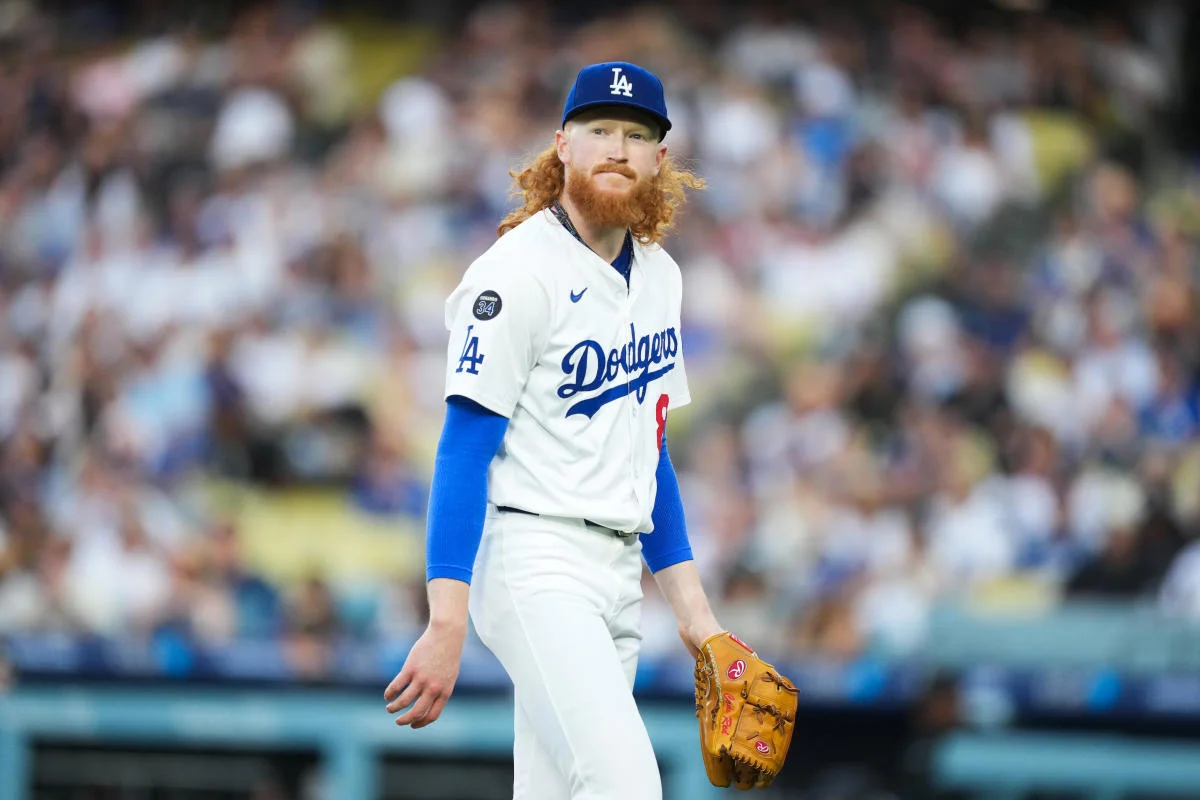

Dustin May has returned to the Los Angeles Dodgers after an extended absence of nearly two years caused by flexor tendon and Tommy John revision surgeries, followed by an emergency esophageal tear repair. Despite these setbacks, the right-handed pitcher has remained healthy this season, throwing a career-high 94.1 innings across 17 starts. However, in a notable change, May is scheduled to make his next appearance in relief on Monday after Shohei Ohtani’s start.
Dodgers manager Dave Roberts described this adjustment as a “little combo,” noting that the decision to reduce May’s workload by having him follow Ohtani reflects both the team’s rotation configuration post-All-Star break and a strategic effort to manage May’s innings during his comeback.
Managing May’s Role Following a Season of Surgical Recovery
Initially, Roberts had indicated that May would remain a starting pitcher after the All-Star break, but the plan has evolved due to several factors. At 27, May is in his first full season since multiple surgeries, and it has long been expected he would gradually move either to the bullpen or have starts skipped to protect his arm workload. May’s recent dip in effectiveness, coupled with the improved health of the Dodgers’ rotation, influenced this shift.
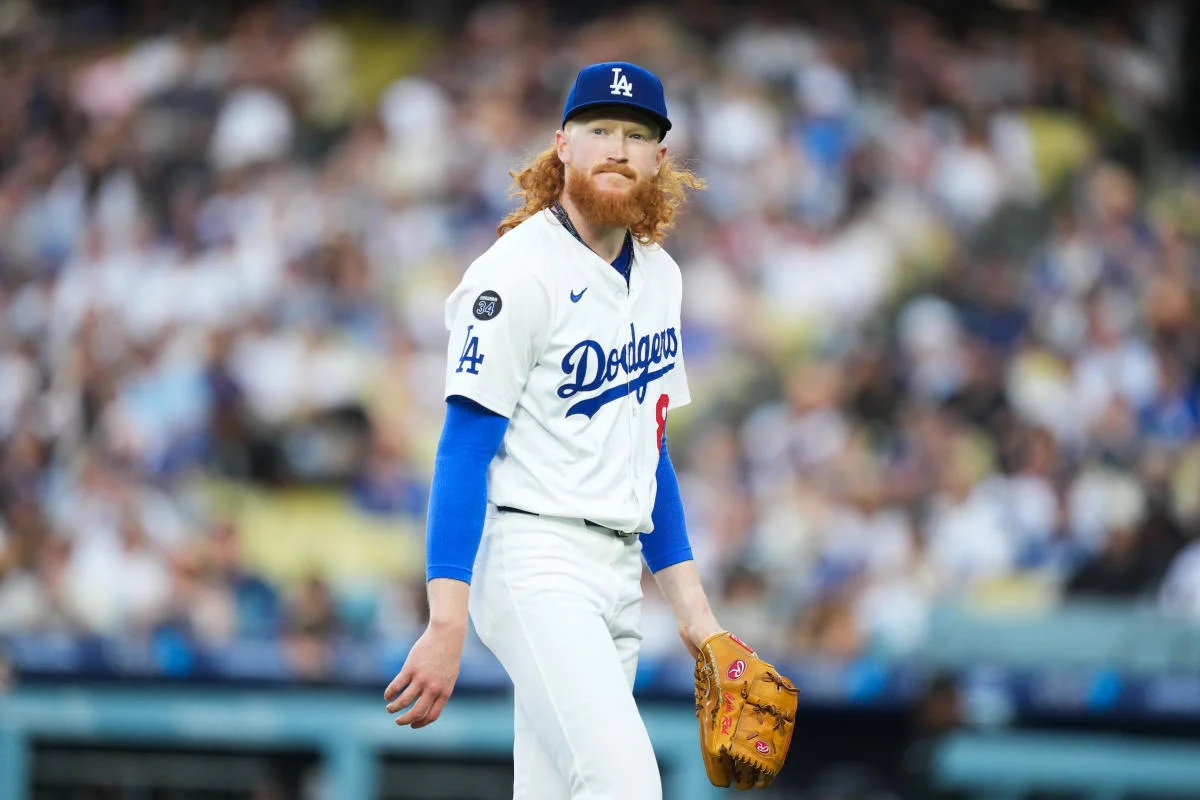
The returns of key pitchers like Tyler Glasnow and Shohei Ohtani have strengthened the starting staff, while Blake Snell is anticipated to rejoin the rotation within two weeks. Additionally, Roki Sasaki could return near the end of August, providing further depth and flexibility for the Dodgers.
Dustin May’s Role Following Shohei Ohtani on the Mound
As Ohtani prepares for his sixth pitching start, May joins a select group of Dodgers pitchers who have recently followed him in a bulk relief role. This group includes Ben Casparius, who has done it three times, Justin Wrobleski once, and Emmet Sheehan once. According to Roberts, there are benefits to having a pitcher like May follow Ohtani, as it allows the team to build up Ohtani’s innings while entrusting a reliable pitcher to handle a substantial portion of the game after him.
Roberts explained how this strategy helps avoid “a typical bullpen game,” enabling whoever follows Ohtani to pitch a majority of the innings. This approach offers the team flexibility, allowing them to either extend the relief pitcher’s outing or shift to specialist relievers depending on game circumstances.
“In Dustin’s case, we’ve already eclipsed what we would’ve expected at this point in time. So to curtail, save, whatever way you want to frame it, here and there, should be of benefit to Dustin, too.”
—Dave Roberts, Los Angeles Dodgers Manager
Looking Ahead: Implications for Dodgers’ Rotation and Strategy
Moving Dustin May into a bullpen role marks an important step in managing the workload of a pitcher recovering from serious surgeries. By shifting May to relief appearances, the Dodgers aim to preserve his arm health and effectiveness while navigating a rotation becoming increasingly fortified with returning pitchers. This adjustment signals a thoughtful, cautious approach to maximizing May’s contributions during his recovery season.
As the season progresses, the Dodgers will continue to balance May’s innings with the needs of a competitive rotation, especially as Snell and Sasaki potentially rejoin the staff. This workload reduction strategy reflects the organization’s commitment to safeguarding May’s long-term pitching career, while still leveraging his ability to support the team’s success in crucial game situations.