
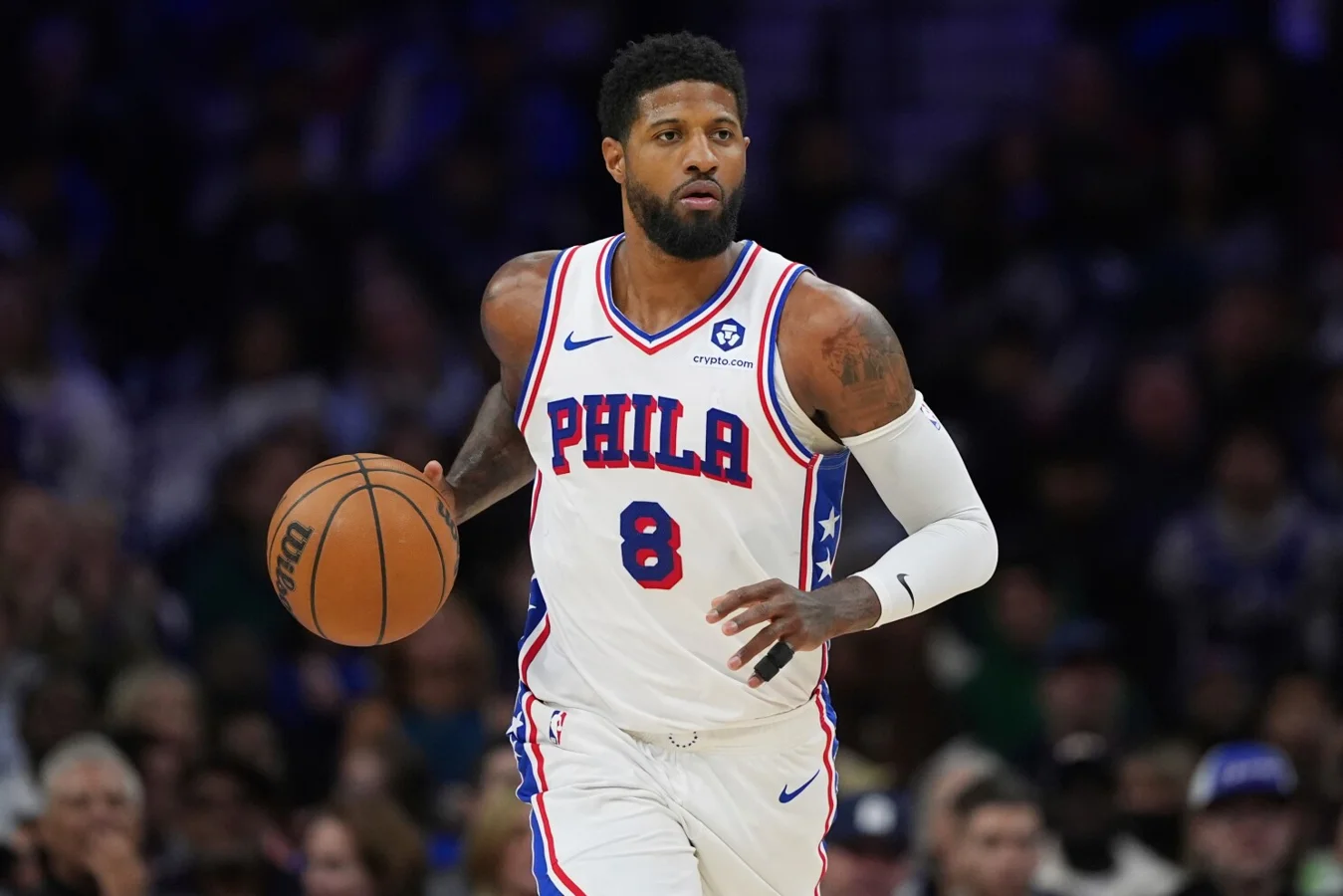

In the 2024 offseason, after committing max contracts to Paul George and Tyrese Maxey, the Philadelphia 76ers made a bold move by signing Joel Embiid to a three-year max contract extension starting with the 2026-27 season. This decision came before the onset of training camp, locking Embiid in while he still had two guaranteed years remaining on his existing deal and a $59 million player option for 2026-27. By extending Embiid early, the Sixers ensured his long-term presence amid uncertainty about his health and future performance.
Despite this gamble, Embiid’s health took a severe hit. After his meniscus surgery in February 2024, he struggled to recover, beginning the season sidelined due to ongoing left knee injury management. He played only 19 games before the Sixers made the decision to sit him out for the remainder of the year, reinforcing concerns about his durability and the wisdom of his contract extension.
How Embiid’s Knee Injury and Trust Issues Complicated the Extension
From an outsider’s perspective, extending Embiid before seeing how his knee responded during training camp and preseason looks like a risky, if not disastrous, move. The injury’s severity and the inability to stay healthy cast doubt on the Sixers’ judgment, given his massive financial commitment. However, a deeper look into Embiid’s complicated relationship with the organization offers insight into why the team proceeded with this early extension despite the visible risks.

A revealing ESPN profile by Dotun Akintoye highlights Embiid’s struggle with trust toward those around him, including the Sixers’ own staff over the past decade. This mistrust traces back to the early stages of his career when he battled a foot injury following his draft and experienced personal tragedy with the death of his brother. During that period, Embiid’s relationship with the 76ers “unraveled,” leading to a breakdown in communication and escalating tensions.
Embiid’s Early Conflicts Over Injury Treatment and Communication
Embiid believed his foot injury was serious, but multiple sources reveal the team initially dismissed his concerns as a lack of effort. Frustrated and feeling unheard, Embiid stopped attending rehab and training sessions, severing contact with the team.
“I had to start being an a—hole,” Embiid says. “Whatever they asked me to do, I was, like, ‘I’m not doing it.’” —Joel Embiid
With no clear path forward, the team fined Embiid repeatedly as a punishment. Over the year, those fines accumulated to over $300,000, but Embiid stopped tracking the total, convinced it was a price worth paying.
“They’re not listening to me, and I’m not going to keep putting my body at risk.” —Joel Embiid
Vindication and Rising Resentment Toward the Organization
In June 2015, Embiid finally consulted the surgeon who had operated on his foot and learned the injury wasn’t healing properly, confirming his suspicions. This acknowledgment brought a mix of vindication and disappointment for Embiid, as he realized he had been misunderstood and misjudged by the team’s staff. The difficult lesson was unlearning the skepticism toward his own pain and frustration.
Akintoye’s profile describes how Embiid’s view of the coaches, front office executives, and medical personnel became deeply conflicted. His perception was that these individuals had “cast him out,” serving their job security and interests rather than his health or career longevity. He believed they wanted him to play through pain simply to prove their own drafting decisions right or wrong, to maintain ticket sales, or to avoid admitting mistakes, indifferent to whether his career thrived or crumbled.
This dynamic made loyalty the most important factor for Embiid going forward, influencing his interactions and testing those around him as he sought a guarded sense of trust. He remained deeply protective and selective about who he aligned with within the organization.
Renewed Tensions With the Front Office Amid Knee Injury Concerns
Although the original front office and medical staff involved in Embiid’s foot injury are no longer with the team, much of the ownership group remains intact. Unfortunately, similar trust issues resurfaced last season during the management of his knee injury.
“The uncertainty about his knee reignited old tensions between Embiid and the Sixers’ front office. After months of uncertainty, false starts and recurrent swelling, Embiid couldn’t take it anymore. In February, before a loss to the Milwaukee Bucks, Embiid told ESPN’s Lisa Salters that he would need another surgery, which reportedly surprised the organization. Morey acknowledged that surprise in our meeting.
‘If you don’t want to listen to me, then I have to find something else, to make sure that I’m going to be listened to,’ Embiid tells me. ‘When I told Lisa that, I think it was a cry for help. … It feels like everybody refuses to acknowledge what’s actually going on.’” —Dotun Akintoye, ESPN
This breakdown in communication echoes earlier chapters in their relationship, underscoring ongoing issues of belief, recognition, and respect regarding Embiid’s health and career.
Why the Sixers Were Committed to Showing Loyalty Through the Extension
Understanding Embiid’s emphasis on loyalty helps explain why the Sixers chose to sign him to an extension so early—before any clear signs of his health at training camp and preseason. By guaranteeing the contract with two years left on his current deal, they sent a message affirming their commitment to Embiid, hoping to prevent doubts about his future with Philadelphia from emerging.
This stance was especially important given the team’s broader strategy. The contract for Paul George was intended to create a trio that included Embiid and Maxey, offering the Sixers a potent core. The organization did not expect George to carry the team alone if Embiid missed significant time, and team president Daryl Morey often remarked on how George’s full potential couldn’t be realized due to limited time alongside Embiid.
Had the Sixers delayed the extension, it could have fueled speculation or even pushed Embiid toward looking elsewhere. Questions loom about whether a healthy Embiid without a renewed contract might have requested a trade or sought opportunities with other teams such as Miami, to reunite with Jimmy Butler, or tempted franchises like the Golden State Warriors to consider him over their current stars.
“[George is] only here because he wants to play with the organization, but very specifically with Joel Embiid, and I think for us, that was the best plan to put the best team together, and that’s a group decision,” Morey said during his end-of-season press conference. “When you make those decisions. A long way of saying, when you have Paul signed long term, it’s important for your MVP-level player to also be signed long term.” —Daryl Morey, Sixers President
Was the Risk Worth It? Weighing Possible Alternatives
Critics might question why the Sixers didn’t hold off on extending Embiid until after training camp to better evaluate how his knee would respond. In their defense, the organization claims to have consulted half a dozen medical experts before committing to the extension, showing they tried to mitigate the uncertainty.
However, given Embiid’s well-documented trust concerns, the Sixers likely weighed the risk of waiting against the potential damage that hesitation could cause to their relationship. The example of the Sacramento Kings trading star guard De’Aaron Fox after his agent, Rich Paul, advised an imminent move might have served as a cautionary tale. The Sixers arguably feared that any delay might similarly provoke Embiid to consider drastic actions or reject further cooperation.
Whether Embiid would have taken such measures remains speculative, but this context provides insight into the complex interplay of business, loyalty, and personal dynamics that influenced the Sixers’ decision.
Understanding the Complexity of Team-Building Decisions
Akintoye’s profile serves as a reminder that many professional sports decisions occur behind the scenes, shaped by factors beyond straightforward statistics or contract mechanics. Analysts and fans only see a fraction of the considerations that lead organizations to sign or pass on players. Some strategies, like the Sixers’ choice not to offer Guerschon Yabusele a taxpayer mid-level exception due to salary cap nuances and roster construction, are easier to interpret, while others remain largely opaque.
For the Sixers, the early extension of Joel Embiid was a calculated risk that balanced loyalty, player relations, and long-term roster planning against health uncertainties. Now, with Embiid’s knee problems sidelining him for the bulk of the season, the wisdom of that bet is being intensely scrutinized.
The Future Implications of Embiid’s Contract and Health
Looking ahead, the Sixers face a critical crossroads. Should Embiid recover and maintain better health, the extension will stand as a testament to their commitment to their franchise cornerstone. However, if his injury woes persist, the massive contract could become a crippling burden that limits Philadelphia’s flexibility in building a competitive team.
Beyond finances, the deal underscores the delicate balancing act between player trust, organizational loyalty, and strategic planning in professional sports. As the Sixers rebuild from last season’s disappointments, their ability to nurture Embiid’s health and keep the team cohesive will heavily influence their prospects in the coming years.
Our Reader’s Queries
Q. Did Joel Embiid drop 70?
A. Embiid doesn’t have French roots and hasn’t lived in France for two years. However, he and his son got French passports due to what he could help France achieve in the Olympics.