
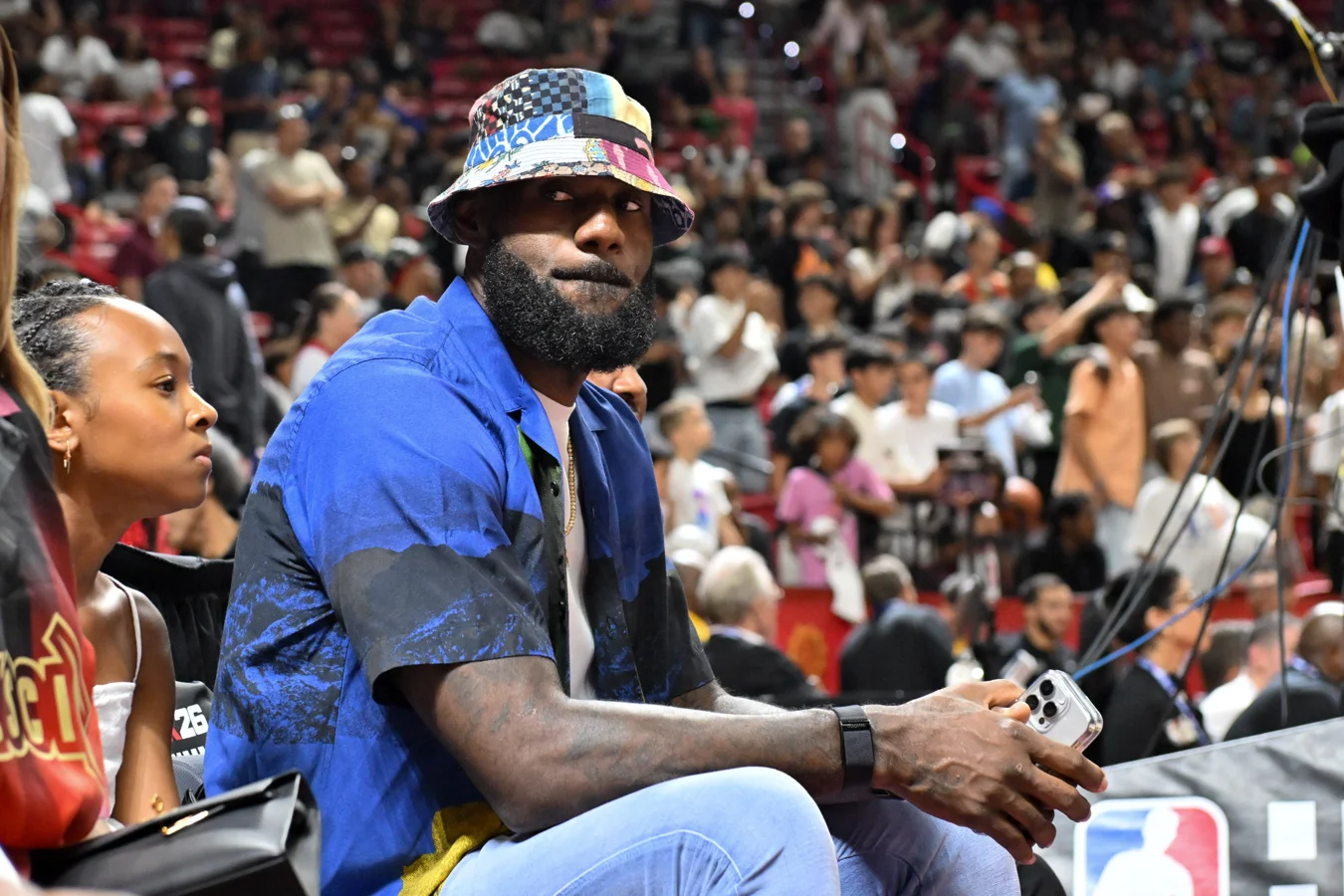

LeBron James recently shared his perspective on the evolving dynamics within the NBA, addressing the well-known Big 3 era and how the league appears to be shifting in 2025. Speaking on his Mind the Game podcast, James highlighted that while he was part of a notable Big 3 with Dwyane Wade and Chris Bosh in Miami, the game today is moving toward prioritizing roster depth and sustained energy.
The player referenced the earlier Big 3 era that also included the Boston Celtics pairing of Paul Pierce, Kevin Garnett, and Ray Allen, noting the impact these configurations had on the league’s competitive balance. However, James emphasized that the current focus extends beyond assembling star trios to building versatile teams capable of adapting over longer stretches during games and seasons.
Transition From Star Trios to Extensive Bench Strength
LeBron James described the present NBA as one where the emphasis lies on creating the greatest depth and energy life on the court.
“I played in the era as well of the Big 3 era, but it’s looking like now the game is starting to shift again to how can we create the most depth, but also how can we create the most energy life? How can we create have the most shelf life out on the floor to be able to sustain an injury or sustain a run?”
James explained, underlining the evolving strategy in team building.
This shift comes in the context of a new collective bargaining agreement that restricts teams from accumulating multiple large contracts, making rosters that rely heavily on three superstar players less feasible. Instead, teams are adopting models that feature strong duos supported by a well-rounded supporting cast, ensuring flexibility and resilience through the long NBA season and playoff battles.
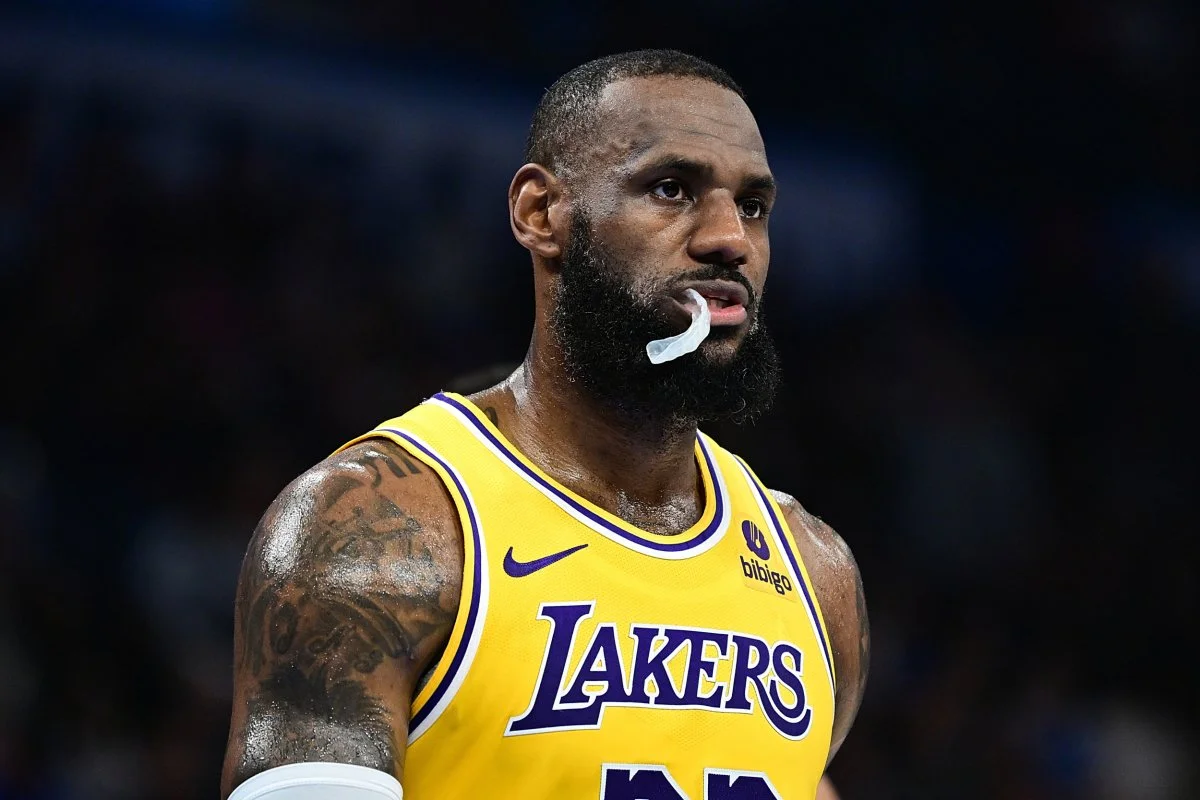
How Team Structures Reflect Depth and Versatility
Recent successful NBA squads demonstrate that championship contenders now depend heavily on bench depth. The Oklahoma City Thunder exemplify this trend with a roster versatile enough to confront various opponents. Their ability to switch between jumbo lineups filled with big men for defensive dominance and more athletic, shooting-heavy configurations showcases this adaptability.
For title aspirations, teams typically need nine reliable players who can contribute significant minutes, even during playoff rotations that traditionally tighten. This approach ensures that teams can maintain energy and competitive edge despite injuries or opponent runs, reflecting LeBron’s observation about the “shelf life” players must have on the floor.
Implications for the Future of NBA Competition
The growing importance of roster depth has encouraged greater parity across the league, as smaller-market teams with deep, versatile players can challenge more star-heavy squads. The Oklahoma City Thunder, led by stars Shai Gilgeous-Alexander, Jalen Williams, and Chet Holmgren, face the ongoing challenge of balancing salary commitments while aiming to keep their core intact for sustained success.
LeBron James’ insights highlight a crucial transformation in how NBA teams approach both strategy and player longevity, suggesting a future where the ability to manage depth and preserve energy may define championship contenders. As roster construction rules tighten, the focus is likely to remain on cultivating well-rounded lineups that can endure the physical demands of the modern game while resisting the risks associated with relying on a few high-profile stars alone.