
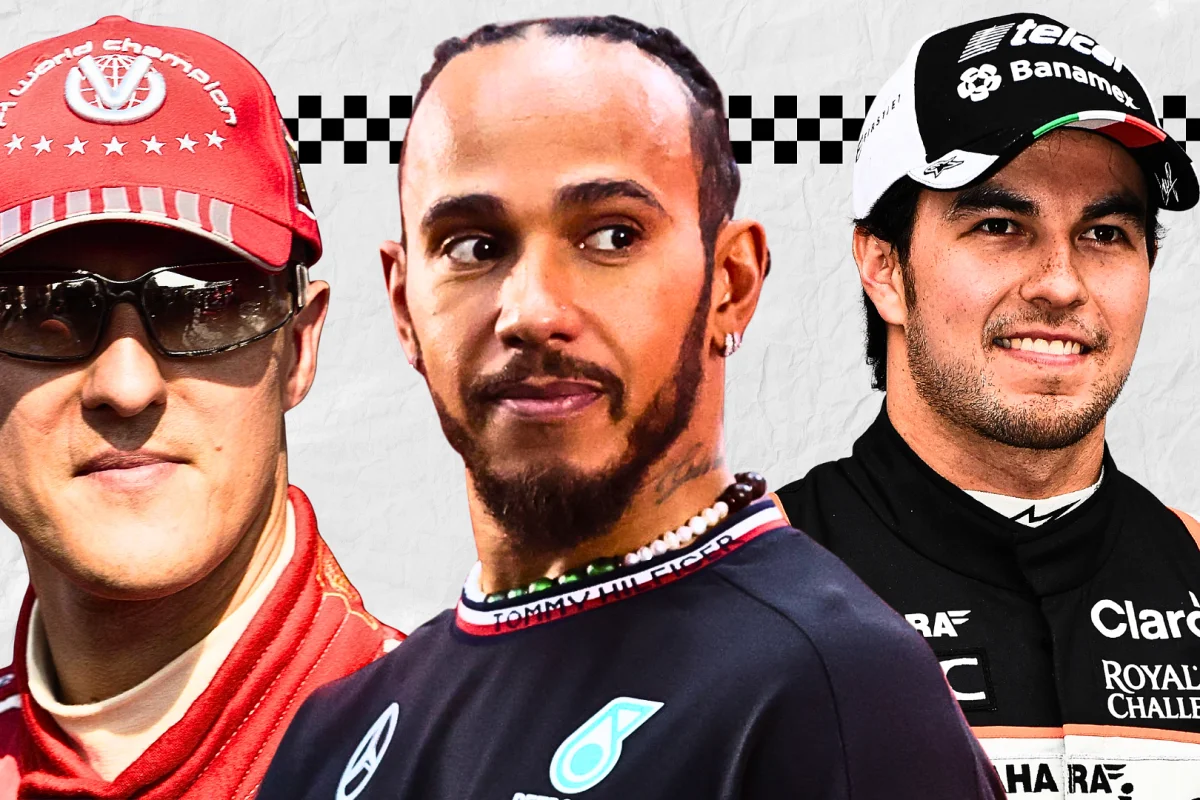

Marking 25 years since the dawn of the 21st century in Formula 1, this article unveils the definitive All-Quarter Century F1 Grid, representing the best drivers and teams from 2000 through 2025. This carefully selected roster showcases the pinnacle of F1 talent over the past quarter-century, highlighting the standout competitors across ten iconic teams.
The All-Quarter Century F1 Grid reflects extensive data, performance metrics, and the long arcs of driver and team careers. It recognizes how difficult it is to define the best in a sport where a driver’s success often hinges on the quality of the machinery beneath them. This unique project avoids simple nostalgia, instead presenting a balanced view of the defining figures and teams of the era.
A definitive lineup for the modern F1 era
Choosing the ultimate F1 grid for the years 2000 to 2025 posed significant challenges, given the sport’s complexity and the fluctuating fortunes of its stars and teams. Unlike other sports where individual brilliance can shine despite team weaknesses, in F1 even the most talented drivers suffer when placed in underperforming cars. This quarter-century snapshot embraces that reality and adjusts for it, aiming to produce a grid that is both fair and representative of true excellence within the sport.
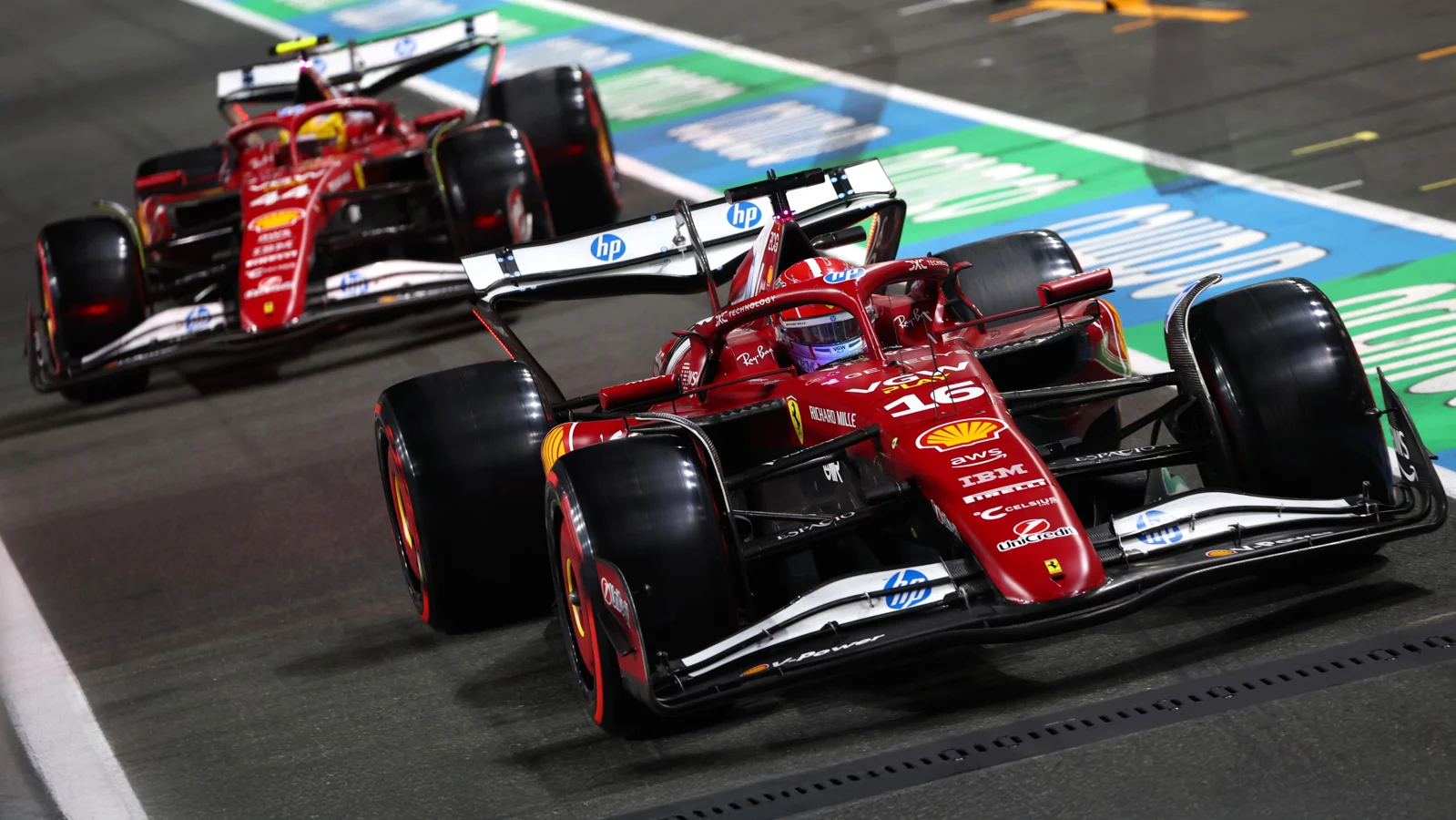
Over 25 years, F1 has witnessed tremendous transformations—notably under the leadership of Max Mosley and Bernie Ecclestone, who collectively shaped governance for over two decades. Their influence remains a backdrop to this rich period, but the focus here is squarely on racing achievements that stirred fans from ITV broadcasts to the high-stakes battles streamed on Sky Sports today.
The final grid includes twenty drivers representing ten teams, each selected for their unmistakable contributions and successes. This team is constrained to one driver per individual, ensuring no division of allegiance or half-measures in representation. The chosen drivers and teams collectively epitomize what has defined the sport in the new millennium.
Standout teams and their stellar contenders
Ferrari’s enduring icons
Ferrari’s representation in this elite grid underscores two extraordinary drivers whose legacies define the team’s accomplishments this century. Michael Schumacher remains unmatched with five consecutive championships in the early 2000s and a near-sixth in 2006, embodying dominance and relentless pursuit of victory. There may be other greats, but none have mirrored Schumacher’s unique impact.
Kimi Räikkönen, known for his icy demeanor and candid radio communications, is Ferrari’s other pillar. His 2007 championship win, which came immediately after Schumacher’s tenure, marked the team‘s last drivers’ title. The Iceman’s longevity and fearless style, spanning top-three championship finishes as far apart as 2003 and 2018, further cement his place as one of F1’s most distinctive champions.
Mercedes: Home to record breakers
Mercedes boasts arguably the most celebrated driver of this era: Lewis Hamilton. As the sport’s only Black competitor and a seven-time world champion—six titles secured with Mercedes alone—Hamilton has cemented his place alongside legends like Schumacher. His career highlights not only showcase exceptional talent but also a poignant reflection on the sport’s ongoing diversity challenges. In nearly two decades at the top level, the absence of another Black driver highlights Formula 1’s enduring barriers despite its global stature.
Joining Hamilton, Nico Rosberg holds his spot for the team’s second seat. Rosberg clinched a world championship in an intensely competitive period, and his near-flawless performances in the seasons around his title underscore his caliber. In non-title campaigns, Rosberg’s 30 podiums out of 33 races without mechanical failures speak volumes about his consistency and speed, suggesting he might have achieved even greater success had he stayed in the sport longer.
Red Bull’s championship twins
When it comes to Red Bull, the choices are straightforward: Max Verstappen and Sebastian Vettel. Both are four-time world champions who secured all their titles with Red Bull, dominating different phases of the 2000-2025 period. Verstappen, the current standard-bearer threading legacy into the present, pairs with Vettel, whose early successes for the team helped define Red Bull’s rise. There is no need for debate here; these two drivers embody the team’s relentless pursuit of excellence.
McLaren’s challenging selection
McLaren’s modern era success has primarily been driven by Lewis Hamilton, their sole title winner since 2000. However, with Hamilton firmly anchored to Mercedes, McLaren’s representation falls to other notable drivers. Kimi Räikkönen’s singular Ferrari championship excludes him here despite his potential McLaren ties, leaving McLaren’s second spot contested.
David “DC” Coulthard and Jenson Button both stand as strong candidates. Button, a race winner and world champion with Brawn, had a significant impact during his McLaren years. Coulthard’s longevity and consistent performances, including several victories, make him a worthy contender. Meanwhile, Lando Norris, though still early in his career, has shown promising potential and a lengthy tenure. His place at the edge of the grid reflects both his promise and the need for continued results to solidify a lasting legacy.
Renault’s championship heritage
Renault’s contributions to the quarter-century in F1 are anchored by Fernando Alonso, a two-time world champion whose titles were won driving for the French outfit. Alonso’s 17 of the team’s 20 victories this century emphasize his pivotal role. Despite the challenges of team performance and teammates often falling short of notable achievements, Alonso’s talent elevates Renault’s status in this time frame.
Giancarlo Fisichella, a teammate and steady presence, is acknowledged for his two race wins and consistent performances. While overshadowed by Alonso’s brilliance, Fisichella’s tenure enriches Renault’s profile, marking a solid second driver contribution that complements the team’s peak.
Williams: From glory to struggle
Williams, a dominant force in the 1990s, has struggled to maintain its stature this century. Since the departures of Juan Pablo Montoya and Ralf Schumacher in 2004, race victories have been elusive, with Pastor Maldonado’s singular win standing out. Despite podium finishes by Felipe Massa and Valtteri Bottas, the team’s golden era feels firmly in the past, leaving Williams’ representation here rooted in a bygone dominance.
Sauber’s perseverance and podium returns
Sauber’s story over the last 25 years has been one of quiet resilience. Known as a consistent backmarker recently, the Swiss outfit’s golden period in the mid-2000s with BMW’s partnership brought the team close to the front, achieving second and third in constructors‘ championship standings. Drivers Nick Heidfeld and Robert Kubica led these successes, including Kubica’s home victory in Canada. The team’s first podium in 13 years, secured just recently, adds a hopeful chapter to Sauber’s ongoing legacy.
Toyota’s brief but notable chapter
Toyota’s relatively short stint as a constructor, from 2002 to 2009, produced memorable moments. Jarno Trulli served as the team’s lead driver for much of this period, earning seven podiums and contributing significantly to Toyota’s competitive presence. While his teammate Ralf Schumacher made his mark earlier for Williams, the second Toyota seat in this imagined grid goes to Timo Glock, who secured three podium finishes. Toyota’s impact, though fleeting, remains part of the broader story of F1’s evolving landscape.
Toro Rosso’s hidden gems
As a junior team to Red Bull, Toro Rosso’s transformation into AlphaTauri highlights the shifting nature of team identities. While the best talents emerging from this outfit—Max Verstappen and Sebastian Vettel—are already accounted for with Red Bull, the grid recognizes Jaime Alguersuari and Carlos Sainz as the most notable contributors representing this team. Their performances exceeded expectations, emphasizing the deep talent pool evident even outside the sport’s dominant powerhouses.
Force India’s surprising prominence
Force India ranks as the tenth-best team in the 21st century, defying expectations with its performances. Sergio Perez stands out as the team’s leading driver, achieving five of the team’s six podiums. Nico Hulkenberg also earns recognition for consistent top-five finishes and a career milestone achieved after the original team’s closure. This inclusion illustrates the evolving narratives within F1 and the sport’s complex competitiveness beyond the marquee names.
Reflecting on the quarter-century legacy
This All-Quarter Century F1 Grid offers a focused lens on an era defined by remarkable talent, shifting team fortunes, and milestones that resonate beyond the track. From Schumacher and Hamilton’s championship feats to the resilience of teams like Sauber and the surprise inclusions like Force India, this assembly captures the rich tapestry of modern Formula 1.
Looking ahead, the grid exemplifies not only past achievements but also the storylines that will shape F1’s future, including fresh challenges, emerging stars, and the ongoing pursuit of racing excellence that continues to captivate millions worldwide.
Our Reader’s Queries
Q. Is number 13 banned in F1?
A. Yes, the number 13 is permitted in Formula 1. Pastor Maldonado selected #13 when the permanent numbering started in 2014. Although some cultures view this number as unlucky, F1 allowed drivers to choose their own numbers.
Q. Which F1 driver has ADHD?
A. Lewis Hamilton, born in 1985, is a British Formula One driver. He currently races for Mercedes and previously drove for McLaren. Hamilton openly talks about his experiences with ADHD and shares his wide range of interests and hobbies.
Q. Is 69 allowed in F1?
A. F1 drivers get to pick a permanent number for their careers from 2 to 99, but they can’t choose 17.
Q. Which F1 drivers have ADHD?
A. Lewis Hamilton is a British Formula One driver born in 1985. He races for Mercedes and used to drive for McLaren. He openly shares his experiences with ADHD and talks about his various interests and passions.