


Carlos Alcaraz has become the latest high-profile player to withdraw from this year’s Canadian Open, raising questions among tennis fans and experts. Following his defeat in the Wimbledon final against Jannik Sinner, Alcaraz opted out of the Masters 1000 event in Toronto due to physical concerns, according to former world number one Andy Roddick’s analysis.
Alcaraz’s name now joins those of Novak Djokovic and Jannik Sinner, who had previously pulled out of the tournament. This ongoing wave of top-player absences has sparked discussion over the scheduling and demands on athletes during the summer hardcourt season.
Reason for Withdrawal Explained by Alcaraz and Analyzed by Roddick
In his official announcement on social media, Carlos Alcaraz cited “small muscle issues” as the cause for pulling out of the Canadian Open, expressing the need for physical and mental recovery after continuous competition. This marks the second year in a row that Alcaraz has missed the event, having withdrawn last year following the Paris Olympics.
After many consecutive weeks of competition without rest, I will not be able to play in Toronto this year. I have small muscles issues and I need to recover physically and mentally for what comes next. To the tournament and to my fans in Canada I am very sorry, I will see you…— Carlos Alcaraz
The Canadian Open will run for 12 days this year, a first for the tournament, with only about two weeks separating it from Wimbledon’s final match. This tight timeline leaves players with little time to recuperate, pushing many to prioritize other events or to rest.
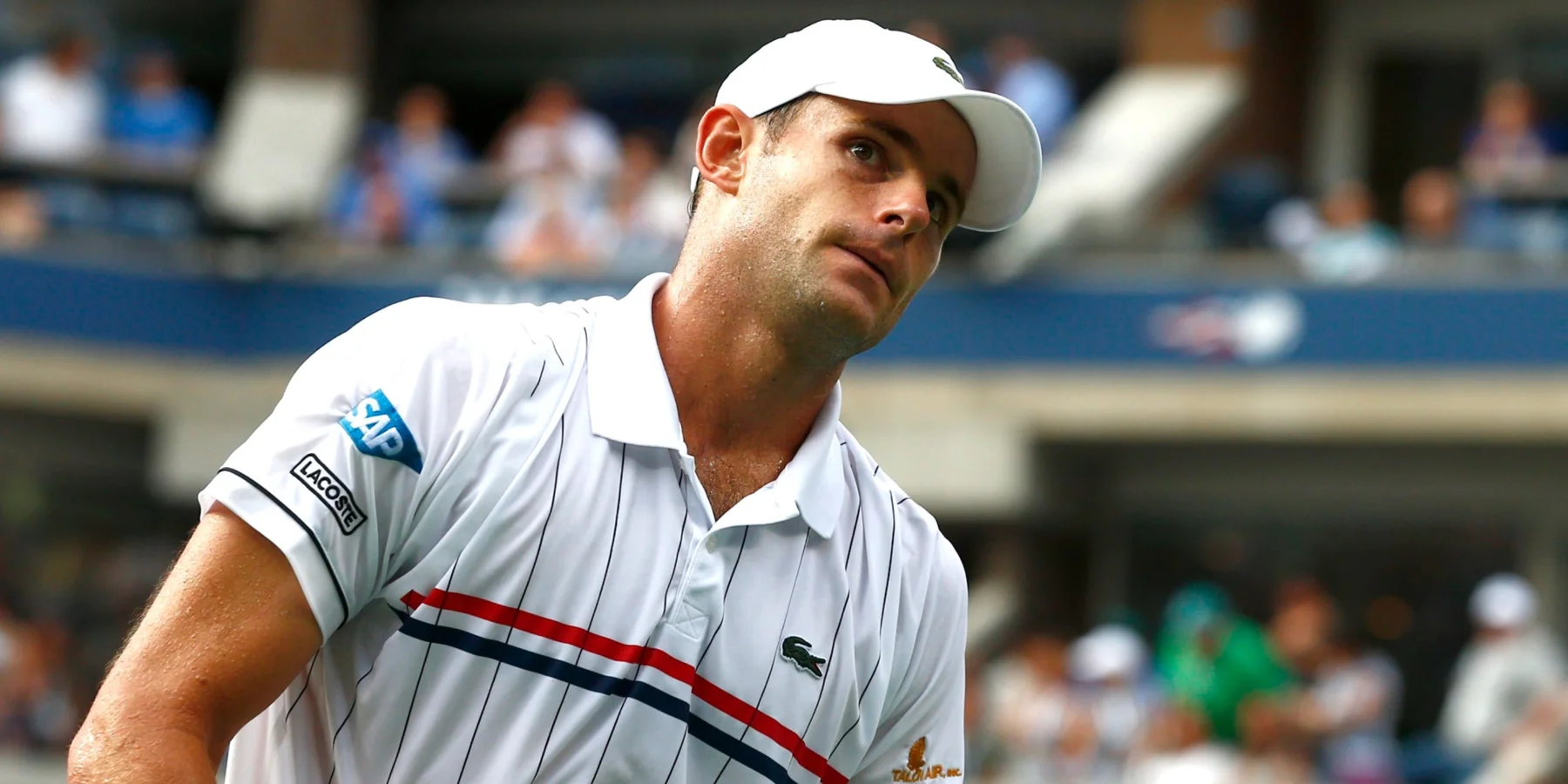
Roddick has suggested that the new extended schedule may be a key factor behind multiple withdrawals. On his podcast, he explained how the overlapping format of the Canadian Open with other tournaments influences players’ choices, particularly when events compete for attention in the same season.
I know that we have added a week but they combine them into three weeks, I do think this is one of the problems with playing every event over the course of 10-12 days.
Roddick added that players often prefer committing fully to Cincinnati, which stretches across two weeks, rather than arriving weeks early for Toronto. He highlighted that the volume of matches players endure earlier in the year, especially on clay and grass courts, forces compromises later in the summer schedule.
He elaborated further:
When you extend the runway further into the summer away from the US Open, I think it makes it an easier no for some of the top players who have had success recently.
Tennis Journalist Jon Wertheim Reflects on the Broader Impact of Player Withdrawals
Jon Wertheim, co-host with Roddick and respected tennis journalist, also expressed his disappointment regarding the Canadian Open withdrawals. He emphasized that despite frustrations around the impact on tournaments such as Toronto and the women’s event in Montreal, the blame does not rest on the players themselves.
These players are not robots and whether or not they got fined and whether or not it get dressed up in a press release or whether it’s a real or a bogus injury, they cannot play at the pace they are asking them to play,
Wertheim said, underscoring the physical limits inherent to professional athletes.
Wertheim went on to describe the grueling conditions players face, including travel challenges and challenging climates. Early losses particularly exacerbate the difficulty, leaving players stuck at hotels for extended periods before moving on to subsequent tournaments.
He voiced concern for tournament organizers striving to run these large, staggered Masters events, and the toll it takes on participants as well as the overall viewer experience.
So now we have this massive 1000 event, it spreads over two weeks, and Taylor Fritz might be the only top five player, great job guys.
Upcoming Canadian Open Sets the Stage Without Several Top Competitors
The Canadian Open is scheduled to begin next week with Alexander Zverev serving as the top seed in the men’s singles draw, while Coco Gauff headlines the women’s event. The absence of multiple key players like Alcaraz, Djokovic, Sinner, and Sabalenka from the women’s side casts a shadow over the competition, reshaping expectations for the tournament.
Alcaraz’s withdrawal not only highlights the physical strain athletes face in the increasingly congested tennis calendar but also raises awareness about the structural challenges within the ATP Tour’s summer segment. The adjustments in scheduling, coupled with lingering effects from previous tournament seasons, suggest that ongoing discussions are needed to balance player health with event prestige.
Our Reader’s Queries
Q. Was Andy Roddick ever #1?
A. His victory in one of his five major final appearances led to him reaching the World No. 1 ranking on November 3, 2003. However, he held the top spot for only 13 weeks before Roger Federer began to rise as one of the tennis greats.