

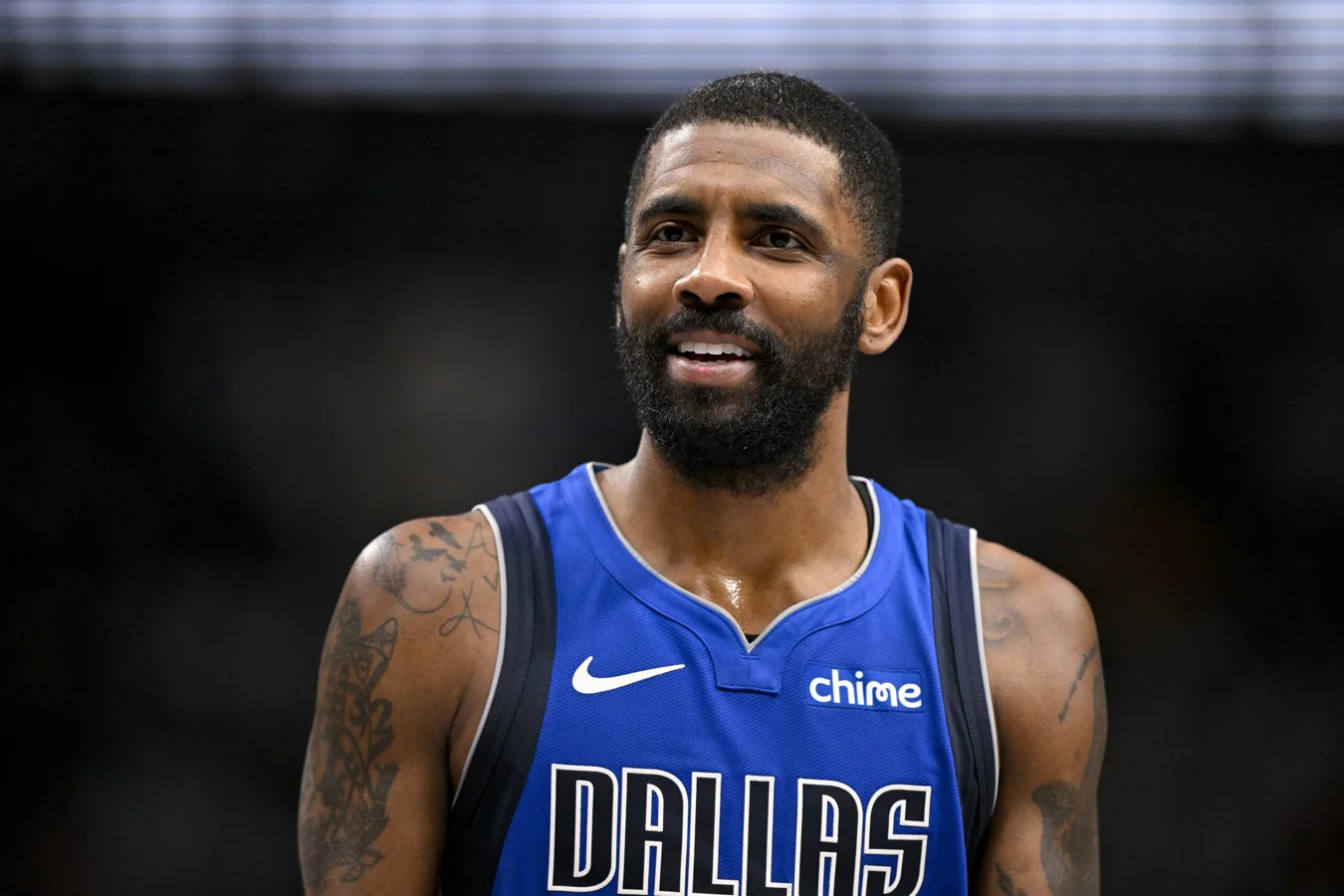
Kyrie Irving, a player for the Dallas Mavericks, recently sparked debate by suggesting that NBA salaries should no longer be made public. During a Twitch stream, Irving argued that keeping salary details private could protect players’ privacy and safety, raising questions about how transparent pay affects those in professional basketball.
Irving Highlights Privacy Risks Linked to Salary Transparency
Irving pointed out the contrast between how the earnings of Fortune 500 CEOs remain private compared to the detailed public knowledge of athlete salaries. He questioned why sports figures’ contracts are widely known and discussed as if there are no real-life consequences.
I find it very interesting that, of course, people will know how much the CEOs of Fortune 500 companies make.
—Kyrie Irving, NBA Player
They will know different avenues of nine to five, in terms of the contract structure, but when it comes to sports, it’s like, you know exactly the pay scale, the details of it and then it gets discussed as though there isn’t any real live consequences to that.
—Kyrie Irving, NBA Player
He acknowledged that while public salary data can help promote the sport by generating excitement over record-breaking deals, it can also make players vulnerable to dangers such as targeted robberies and scams. The exposure of exact salaries, he said, can lead to awkwardness and discomfort, exposing players to risks within broader society.
I wonder how much that puts a target on someone’s life, where you know what’s going on, you see it very casual, but it helps the overall growth of a sport, the sexiness of it, like, ‘Oh, guess what Kai, or so and so is making this,’ record breaking historic numbers.
—Kyrie Irving, NBA Player
But I look at it, is it too much information at some point though, when does it become comfortable for me? If you know exactly what I’m making, there’s an awkwardness to that where I’m existing in within our same society.
—Kyrie Irving, NBA Player
Public Salary Knowledge Fuels Criticism and Personal Danger for NBA Stars
Irving’s remarks come amid ongoing scrutiny over NBA contracts, where salaries are not only public but often dissected and weaponized. This dynamic has led to players being judged less on performance and more on their earnings. For instance, Bradley Beal faced ridicule after a $97 million buyout by the Phoenix Suns, despite previously being regarded as a franchise pillar.
Ben Simmons’s situation is even more extreme. After securing a five-year, $170 million deal, Simmons’s limited playtime due to injuries and personal issues drew harsh backlash. Shaquille O’Neal went so far as to say Simmons should “go to jail” for what he considered “stealing” from the league.
Even LeBron James, despite still performing at a high level at age 40, was criticized for accepting a $52.6 million player option, with detractors focusing on his age rather than his ongoing talent.
Beyond public criticism, NBA stars face real safety threats. Players such as Luka Doncic, Mike Conley, DeMar DeRozan, and Kentavious Caldwell-Pope have experienced home invasions, placing them in direct danger. Public awareness of their earnings arguably increases these risks by making them targets not only for criticism but potential crime as well.
Challenging the Value of Salary Transparency in Professional Basketball
Kyrie Irving’s key question remains whether the benefits of salary transparency truly outweigh the costs. While revealing pay scales can boost fan interest and enhance the sport’s profile, it may also generate unnecessary tension among players and fans, encouraging resentment and risk. His perspective sheds light on the human cost behind the numbers, calling for a shift in focus from monetary figures to the individuals themselves.
Though the NBA is unlikely to reverse its long-standing policy of salary disclosure, the debate raised by Irving continues to resonate amid growing concerns over player privacy and safety. As salaries increasingly affect public perception and personal well-being, a reconsideration of how much information is shared could influence the future landscape of the league.