
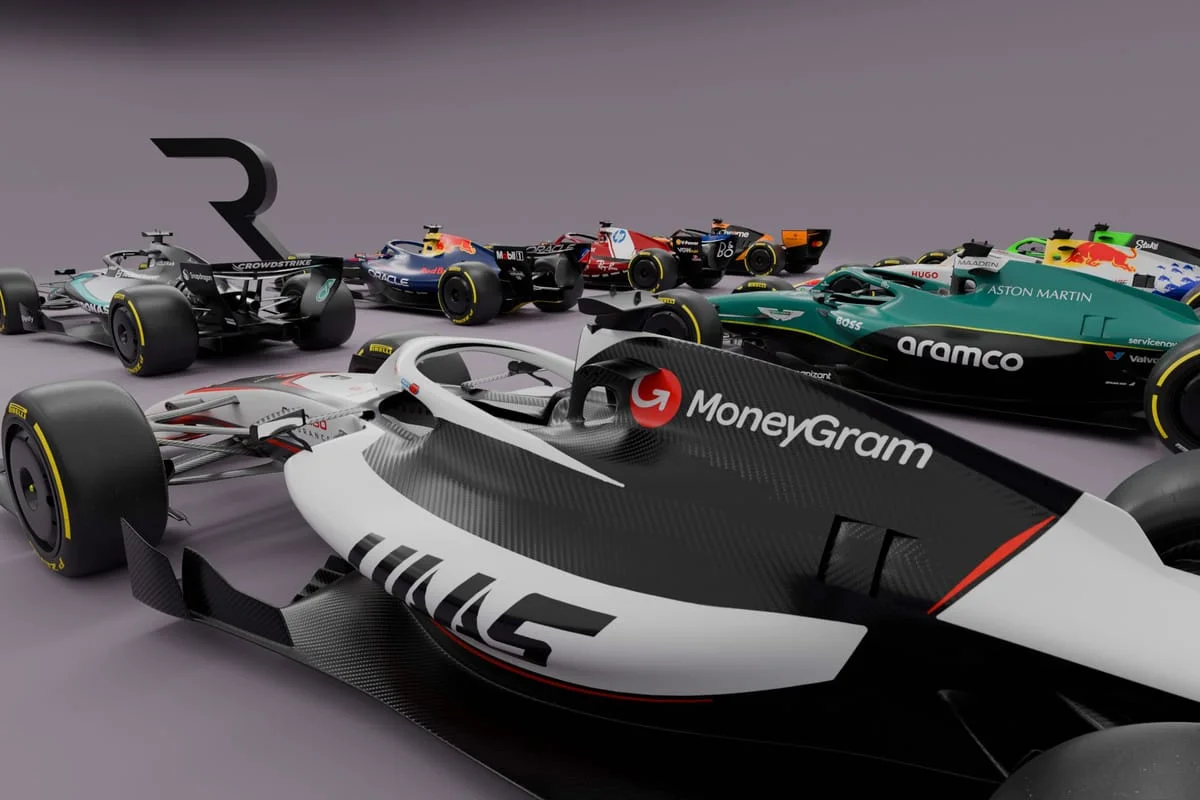

Red Bull senior advisor Helmut Marko has downplayed the widespread belief that Mercedes will dominate the new Formula 1 engine regulations set for 2026. Marko emphasized that there is no concrete evidence to confirm Mercedes as the clear leader and provided insight into Red Bull’s ongoing development of its first in-house F1 power unit for the upcoming technical era.
Upcoming 2026 F1 Engine Changes and Mercedes’ Prospects
Formula 1 is preparing for a major overhaul of both chassis and engine regulations next season. The new rules will introduce smaller, lighter cars powered by engines with an equal split between electrical and sustainable biofuel energy sources. This transformative change follows the previous significant engine revision in 2014, which marked the beginning of Mercedes’ dominance, culminating in eight straight Constructors’ Championships.
Given this history, many expect Mercedes to again lead in 2026, although this remains unproven. Rumors earlier in the year suggested Mercedes was the only manufacturer progressing smoothly, while rivals faced substantial development difficulties. Red Bull, entering the engine manufacturing arena for the first time with Ford collaboration, joins Ferrari, Honda, and Audi in pursuing new powertrain solutions under these rules.
Renault had intended to be part of the engine manufacturers for 2026, but in September 2024 announced it would exit, leaving Alpine to arrange a customer engine deal with Mercedes. While this move fuels speculation about the advantages of Mercedes power at Alpine, Marko remains skeptical of Mercedes’ presumed supremacy.
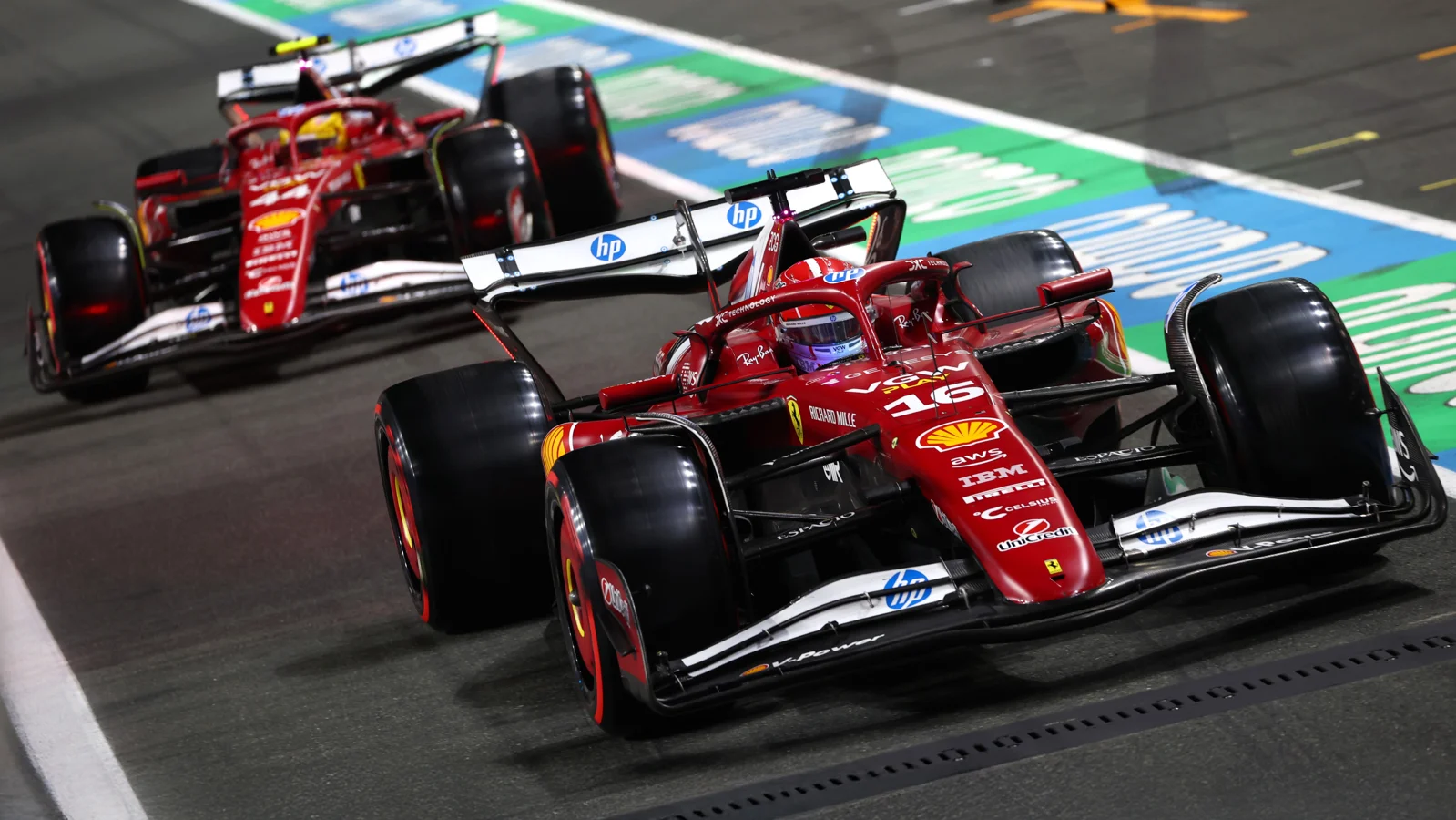
Mercedes has declared itself the favourite, but nothing has proven that,
Marko stated to Kleine Zeitung.
He also remarked on the technical advancements involved, noting the compact combustion engine design, saying,
“The development of the combustion engine alone is incredible. The engine is smaller than the one in my lawnmower!”
You have three or four things that are important for the new car: the combustion engine, we’re there and if there are no durability problems, it won’t be a game changer. The decisive factor is the battery, where we are starting with a conventional solution, and the petrol, a very important factor. Development is going very well with our partner Exxon.
Red Bull’s Strategic Shift Amid 2026 Development and Current Season
The sweeping regulation alterations force teams to carefully divide resources between competing in the current 2025 season and preparing for 2026. Red Bull, well behind McLaren and unlikely to catch the Constructors’ Championship this year, must balance its immediate racing goals with the development of the new power unit.
Although Max Verstappen remains mathematically capable of securing a fifth consecutive Drivers’ title, trailing leader Oscar Piastri by 69 points, Red Bull is approaching the final phases of developing its current RB21 car.
There is a precise division of how the wind tunnel and all the tools are used,
Marko explained about their development strategy.
At some point, however, we will say: ‘That’s it for further development.’
He noted two main constraints influencing this decision: time limitations and budget caps enforced by Formula 1. Marko added,
So the question is: Where do you spend your resources? I assume that after Silverstone or Spa at the latest, there will be a decision to concentrate entirely on the new car.
Rumors have linked Verstappen to Mercedes for the future, suggesting Red Bull may no longer be the sport’s dominant force, but his contract extends through and beyond 2026, with Red Bull expecting his continued loyalty. Meanwhile, the identity of Red Bull’s second driver remains unclear, as Liam Lawson and Yuki Tsunoda have both struggled to match Verstappen’s performance this season.
Significance of Engine Development Race and What Lies Ahead
The shift in engine technology for the 2026 season represents a pivotal moment in Formula 1, with manufacturers investing heavily to master new hybrid and sustainable fuel systems. Mercedes’ early confidence as favourites has not convinced all rivals, exemplified by Marko’s measured perspective on the evolving powertrain landscape. Red Bull’s entry into engine manufacturing marks a bold strategic move that could reshape competitive dynamics.
With further testing and development expected throughout the coming months, decisions on resource allocation and focus will critically influence teams’ performances in the 2026 season. The outcome of this engine race may determine which teams dominate the next era of Formula 1 racing.
Our Reader’s Queries
Q. Is number 13 banned in F1?
A. Yes, 13 is permitted. When permanent numbers started in 2014, Pastor Maldonado chose #13. Although it’s seen as unlucky by some, F1 lets drivers decide.
Q. Which F1 driver has ADHD?
A. Lewis Hamilton, born in 1985, is a British Formula One driver for Mercedes and has previously raced for McLaren. He openly shares his experiences living with ADHD and talks about his various interests and passions.
Q. Is 69 allowed in F1?
A. F1 drivers can select a lasting number for their racing career from 2 to 99, except for 17.
Q. Which F1 drivers have ADHD?
A. Lewis Hamilton is a British race car driver born in 1985. He races in Formula One for the Mercedes team and previously drove for McLaren. Hamilton openly shares his experiences living with ADHD and explores his various interests and hobbies.