
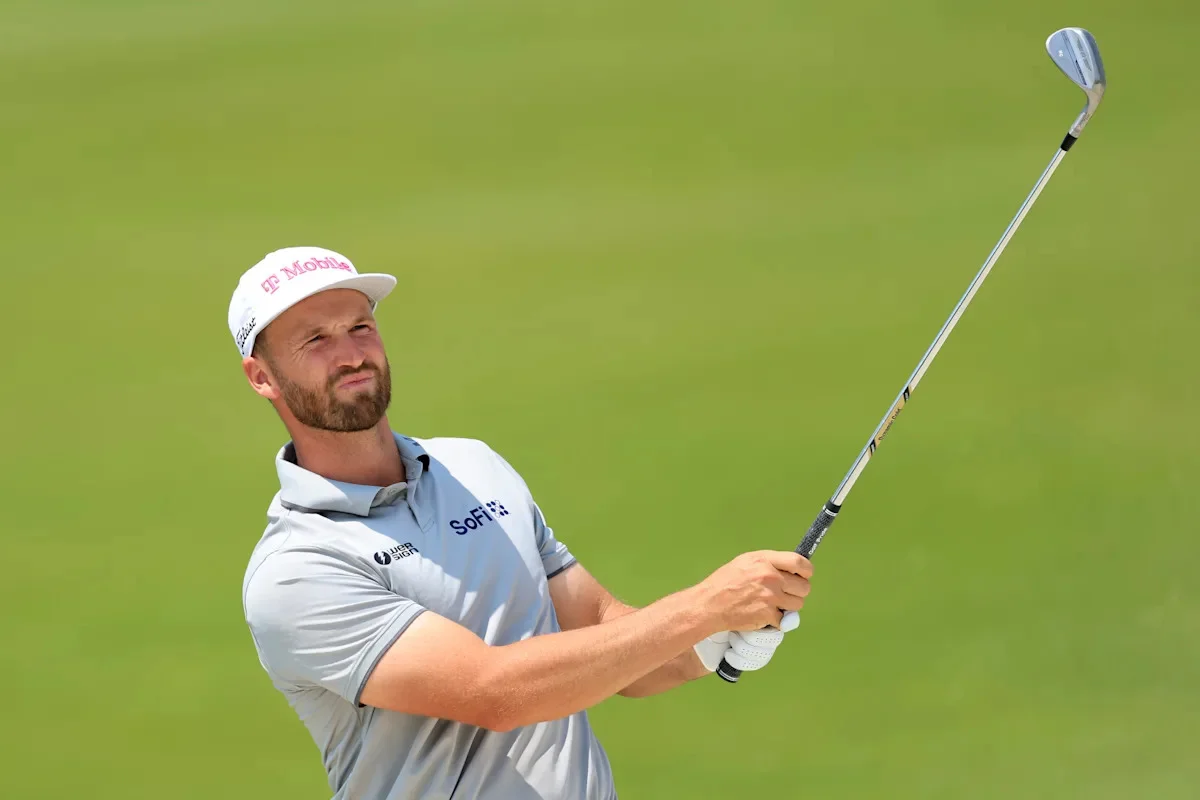

Phil Mickelson has stayed largely silent amidst ongoing controversies surrounding the PGA Tour suspension issues since Wes Bryan’s recent ban following his participation in LIV Golf‘s The Duels event. This silence comes despite Mickelson’s prior vocal opposition to the PGA Tour’s disciplinary actions, which have sparked widespread debate about the Tour’s authority and its treatment of players and content creators. The PGA Tour suspension controversy continues to raise questions regarding legal and ethical boundaries within professional golf.
Mickelson’s past public remarks sharply criticized the PGA Tour, accusing it of illegally banning players acting as independent contractors. Specifically, he challenged the Department of Justice to intervene, declaring,
PGA Tour blatantly admits they are illegally banning an independent contractor, so why doesn’t the DOJ step in and enforce the law?… DOJ do your f***ing job!
—Phil Mickelson, Professional Golfer
Despite this, Mickelson has not openly addressed the numerous other grievances connected to the suspension disputes, leaving some, including Wesley Bryan, to urge him for broader commentary on the issues.
Wesley Bryan’s Perspective on Mickelson’s Support and the Wider Tour Issues
Wesley Bryan, suspended by the PGA Tour after participating in LIV Golf events, has acknowledged Mickelson’s guidance as valuable during his ordeal but implied that Mickelson could be more forthcoming regarding the full scope of the Tour’s controversies. In a recent interview on The Scratch Golf Show, the issue of Mickelson’s behind-the-scenes support was discussed.
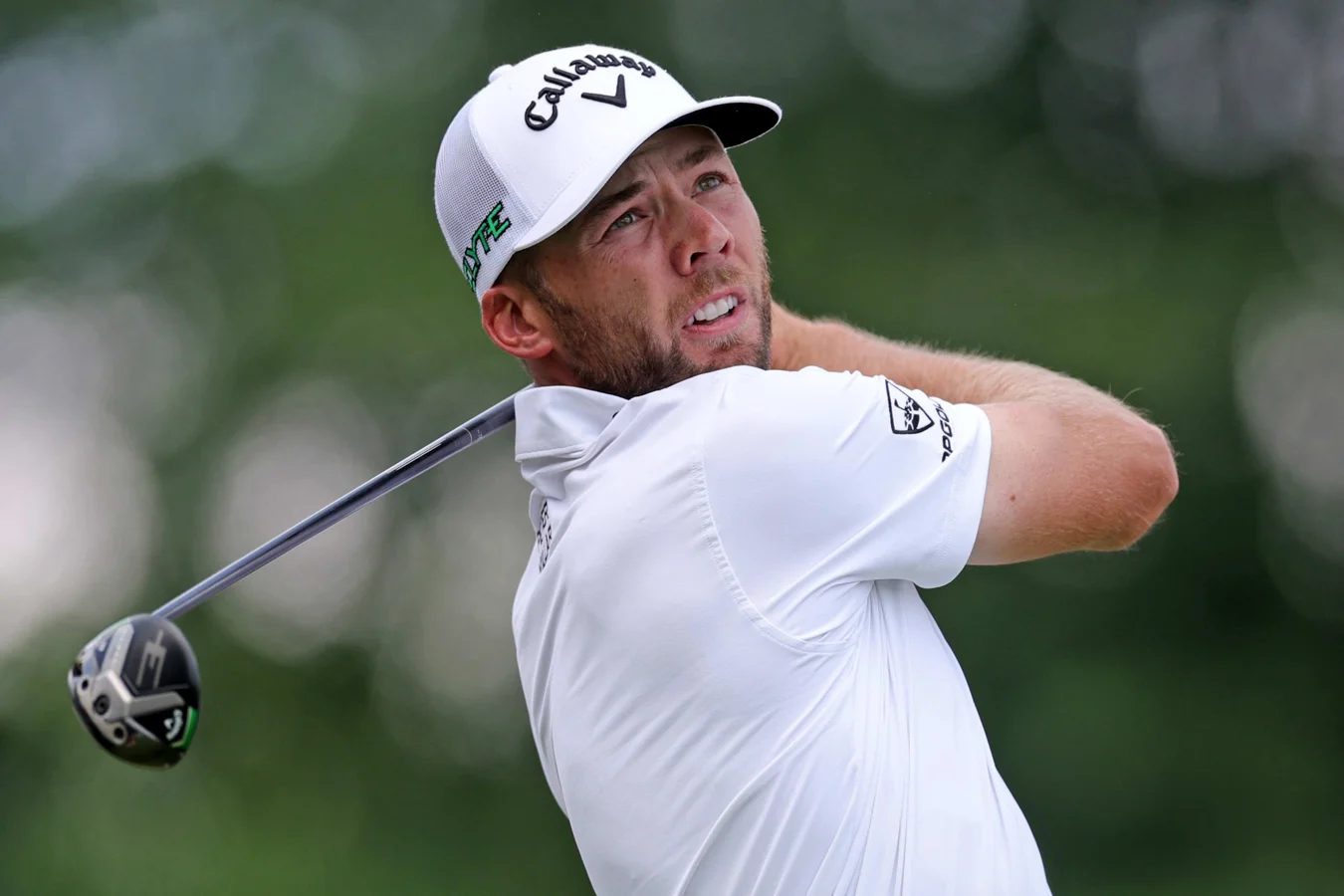
When asked about Mickelson’s role in helping him navigate the consequences of moving to LIV Golf, Bryan remarked,
Yeah, I mean, he’s one I’m not obviously going to air out any of the stuff that we’ve talked about in private, but, um, I mean, he is, he is not g—like, he’s obviously sounded off on a lot of things, but there’s a lot of stuff that he’s holding on to because, um, he does understand that when he speaks, it carries a lot of weight.
—Wesley Bryan, Golfer
Bryan went on to highlight the depth of unresolved matters, stating,
there’s a lot of issues, um, there are hundreds of things that could be brought up that we just don’t feel is right, um, about how we’ve been treated.
—Wesley Bryan, Golfer
This indicates a broad dissatisfaction among players who feel the PGA Tour’s actions and policies may lack fairness or transparency, but Mickelson appears to be managing his critiques with caution given the high impact of his voice in the golf community.
Mickelson’s Criticism of PGA Tour’s Control over Media Rights and Player Content
Throughout his association with LIV Golf and the conflicts it generated, Mickelson has consistently drawn attention to the PGA Tour’s tight control over players’ media rights, which he describes as “beyond obnoxious.” In 2022, he accused the Tour of withholding digital assets valued in the billions while profiting from players’ content, specifically pointing to cases such as being charged $1 million to use his own highlights in The Match. This stance underscores ongoing complaints about how the Tour manages revenue generated from players’ names and footage.
Such concerns are not limited to high-profile players but extend to creators in the golf content space as well, evidenced by recent disputes involving YouTube golf creator Grant Horvat, who has clashed with the Tour over similar rights issues.
Phil Mickelson’s Support for Content Creators in the Golf Community
Mickelson’s involvement transcends professional tours, reaching into the growing realm of golf content creation, where he has actively collaborated with popular YouTubers like Grant Horvat. Their partnership includes creative projects such as 2v2 golf challenges, including a notable match against Dustin Johnson and his brother Austin. Beyond content creation, Mickelson demonstrated his commitment to supporting creators by offering Horvat equity in his wellness company, For Wellness, as a token of appreciation for their collaborative success.
In April, Mickelson conveyed his gratitude, saying,
You’re so kind in introducing me to the YouTube space and all of your subscribers and teaching me kind of like what this is all about… You’ve been so kind to everybody at For Wellness about using our product and promoting it…
He continued,
You are a good, good man, and we really appreciate everything you have done, so thank you.
—Phil Mickelson, Professional Golfer
This opened a new realm for Mickelson, who started his YouTube journey with Horvat in the previous year, achieving his channel’s highest viewership of 1.4 million on their initial video. Mickelson has since attracted nearly 300,000 subscribers, reflecting significant interest in golf-related digital content. His network also includes collaborations with other well-known golfers such as John Daly, with the broader YouTube golf community expanding as figures like Ian Poulter recently entered the platform.
The Growing Influence of YouTube Golf and Its Impact on the PGA Tour’s Policies
The surge of golf content on YouTube amplifies calls for more equitable treatment of players and creators alike. Fans and industry insiders alike are watching to see whether Mickelson will continue advocating for creators’ rights and whether the PGA Tour will adjust its restrictive policies in response to the evolving media landscape. The current tension reflects a watershed moment in professional golf, as traditional structures face mounting pressure to modernize and accommodate new forms of engagement.
With Mickelson’s legacy as a major champion and his visible influence in the golf world, his stance or silence on the PGA Tour suspension controversy carries considerable weight. How he and the Tour manage these issues could shape the future relationship between players, content creators, and the governing bodies of golf.
Our Reader’s Queries
Q. What is a PGA?
A. The PGA of America represents professional golfers across the United States.
Q. What does PGA mean?
A. The Professional Golfers’ Association of America is a group for male golfers in the United States. It started in 1916. It organizes major golf events and holds the annual PGA Championship.
Q. What is PGA in medical terms?
A. Polyglandular autoimmune (PGA) syndromes, sometimes called polyglandular failure syndromes, involve the failure of several endocrine glands. In literature, they are also referred to as autoimmune polyendocrine syndrome (APS).