
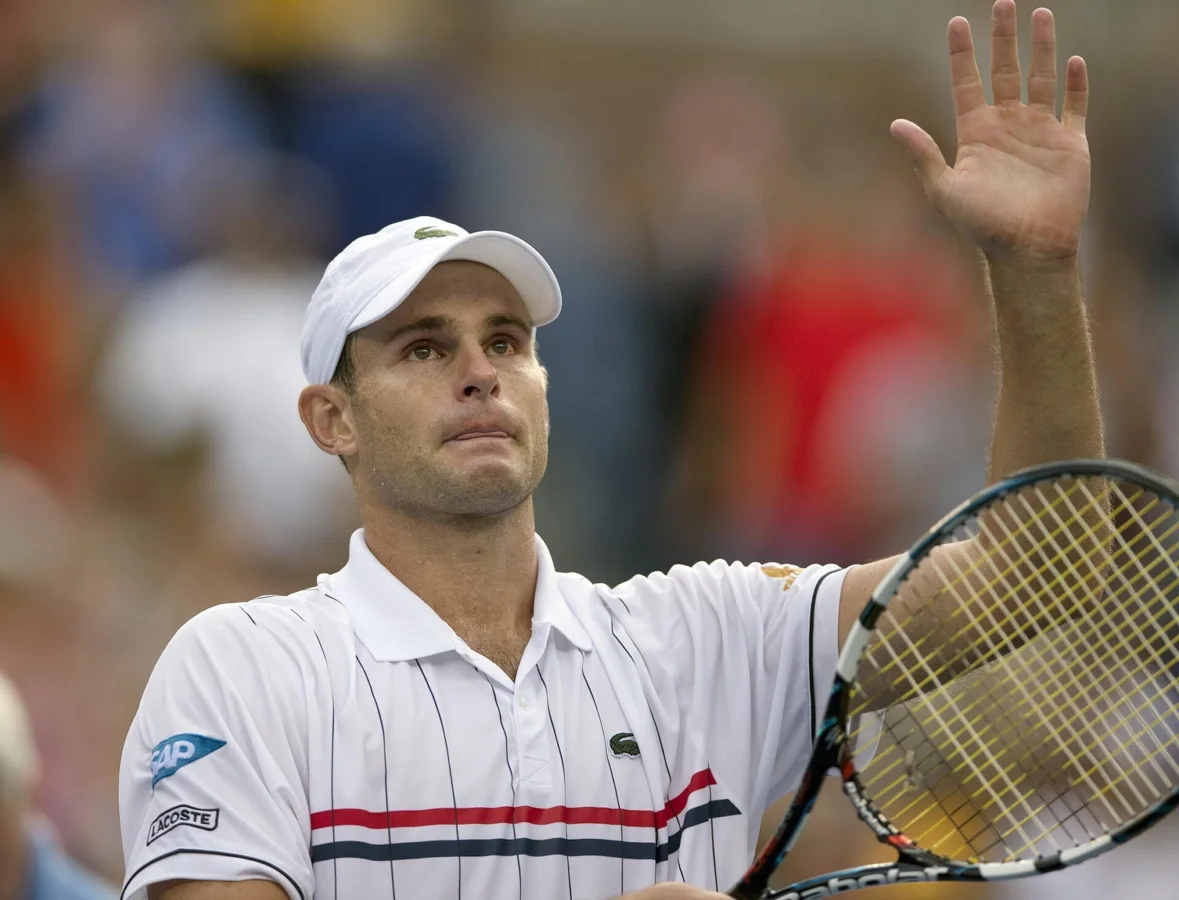

Former world No. 1 Andy Roddick has expressed strong opposition to proposals for women to play best-of-five set matches at Grand Slam events, arguing that such a change would disrupt the current tournament format and overlook important biological factors. Speaking on his podcast, Roddick offered a detailed explanation of why shifting women’s Grand Slam matches from best-of-three to best-of-five sets would have significant consequences for the sport.
Roddick’s Concerns About Extending Women’s Match Lengths
On the latest episode of his podcast Served, Andy Roddick addressed the ongoing discussions about implementing best-of-five set matches for women during the later stages of Grand Slam tournaments, particularly starting from the quarterfinals. He emphasized his discomfort with altering the established tournament structure midway through the event.
I don’t like starting a tournament one way and then changing the entire dynamic of the tournament at a panic,
Roddick stated, reflecting on how sudden changes affect the flow and fairness of competition. He also mentioned his dislike for the former format in men’s ATP Masters 1000 finals, which were best-of-five sets until 2007 but shifted to best-of-three sets from 2008 onwards.
Elaborating on his view of extended match formats, Roddick shared,
I didn’t like it in the Masters 1000s on the men’s side where you get to the final, and they go ‘Oh, well, I know you’ve had a long week, but f*#k it, let’s play seven hours before we go to a Grand Slam.’
He pointed to the strain such long matches impose on players, especially as they approach major tournaments.
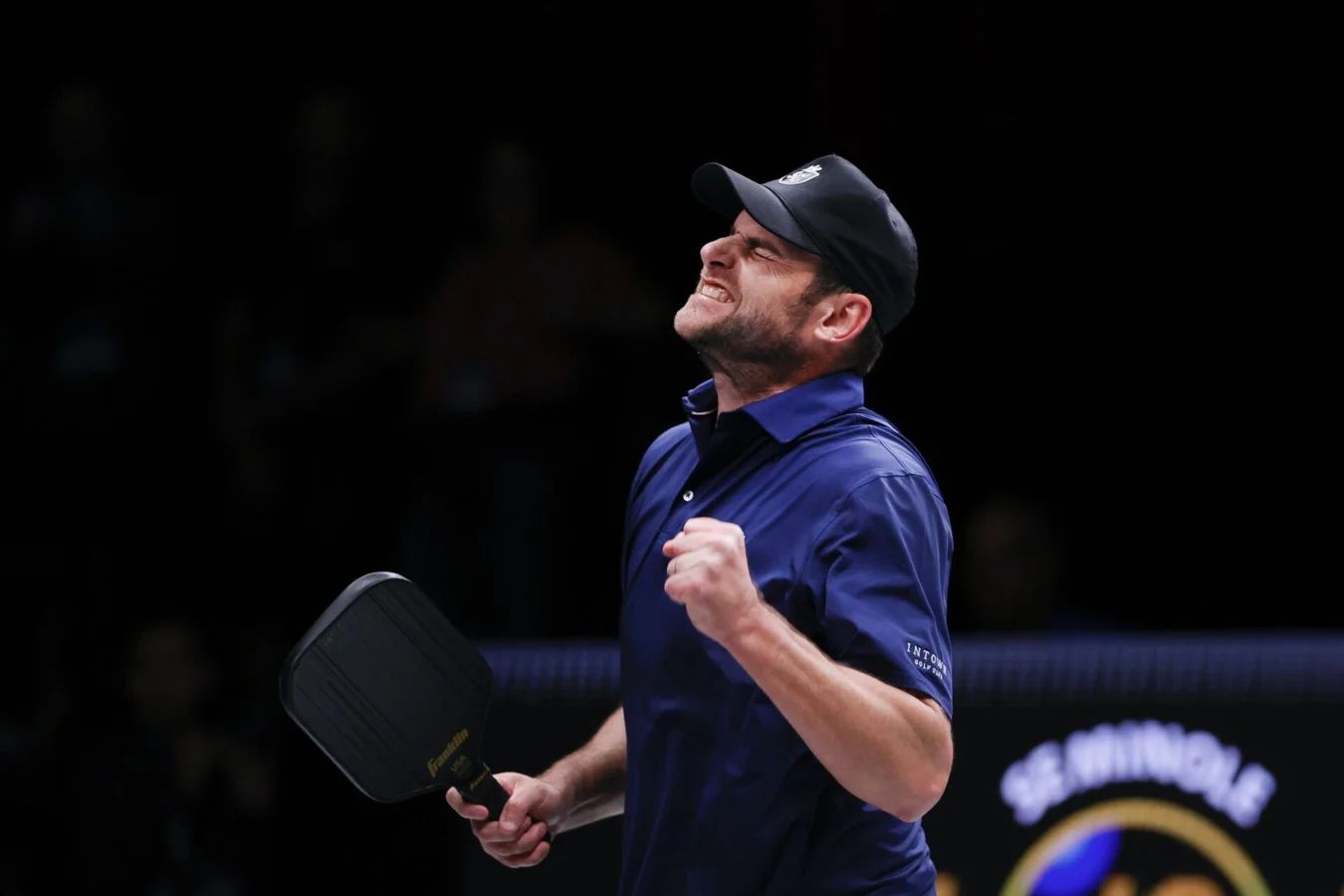
Roddick also brought attention to a factor he feels is often ignored in the debate: the unique physical challenges women face. He noted,
There are things that women go through, and most likely a lot of them are going through at some point over the course of a two-week event, that men don’t have to go through,
referencing the biological realities such as menstrual cycles that could influence performance during extended matches.
He added,
And rolling the dice on when that happens is insane.
According to Roddick, imposing best-of-five sets could unfairly affect women’s ability to perform consistently throughout a Grand Slam event.
Roddick further remarked,
That doesn’t define the best players, and it completely changes the dynamic of what has already been accomplished in that slam up until that point.
This, he argued, would disrupt the balance and achievement already established by players advancing in the tournament under best-of-three formats.
Historically, women have occasionally played best-of-five sets in limited contexts, such as the WTA Tour Finals and early US Open matches, but the standard across all Grand Slam events remains best-of-three. Meanwhile, men continue to compete in best-of-five set matches during Grand Slams.
Alternative Views: Calls to Shorten Men’s Grand Slam Matches
In contrast to the push for women to adopt longer matches, some voices in the tennis community have suggested that men’s Grand Slam matches should be shortened to best-of-three sets. Alexis Ohanian, husband of tennis star Serena Williams and a prominent investor in women’s sports, sparked debate after the conclusion of the Roland-Garros final between Jannik Sinner and Carlos Alcaraz.
Ohanian shared his perspective on social media, focusing on the excitement generated by shorter matches. He wrote,
As someone who discovered tennis through the women’s game, I fell in love with the drama of every point mattering. When I finally watched a men’s match, I was confused. Five sets? It made the early games feel like warm-up acts instead of high-stakes battle. The tension was diluted, not heightened.
—Alexis Ohanian, Investor and Advocate
This opinion ignited lively discussions online, highlighting different views on how match length affects the viewer experience and the athletic demands on players. Ohanian is known for supporting gender equality in sports and has been vocal about equal pay and investment in women’s tennis.
The Impact on Tennis and What Lies Ahead
The conversation around match formats in Grand Slam tennis reflects broader questions about fairness, tradition, and player welfare. Andy Roddick’s concerns underline the complexity of changing long-standing tournament structures, especially when biological differences are considered. At the same time, calls from figures like Alexis Ohanian illustrate that opinions vary widely on how best to evolve the sport to maintain excitement and equity for all players.
As tennis organizations continue to debate format changes, the discussion remains crucial in shaping the future of both men’s and women’s tennis. How these proposals develop will influence the competitive dynamic, fan engagement, and athletes’ health across the sport’s most significant events.