
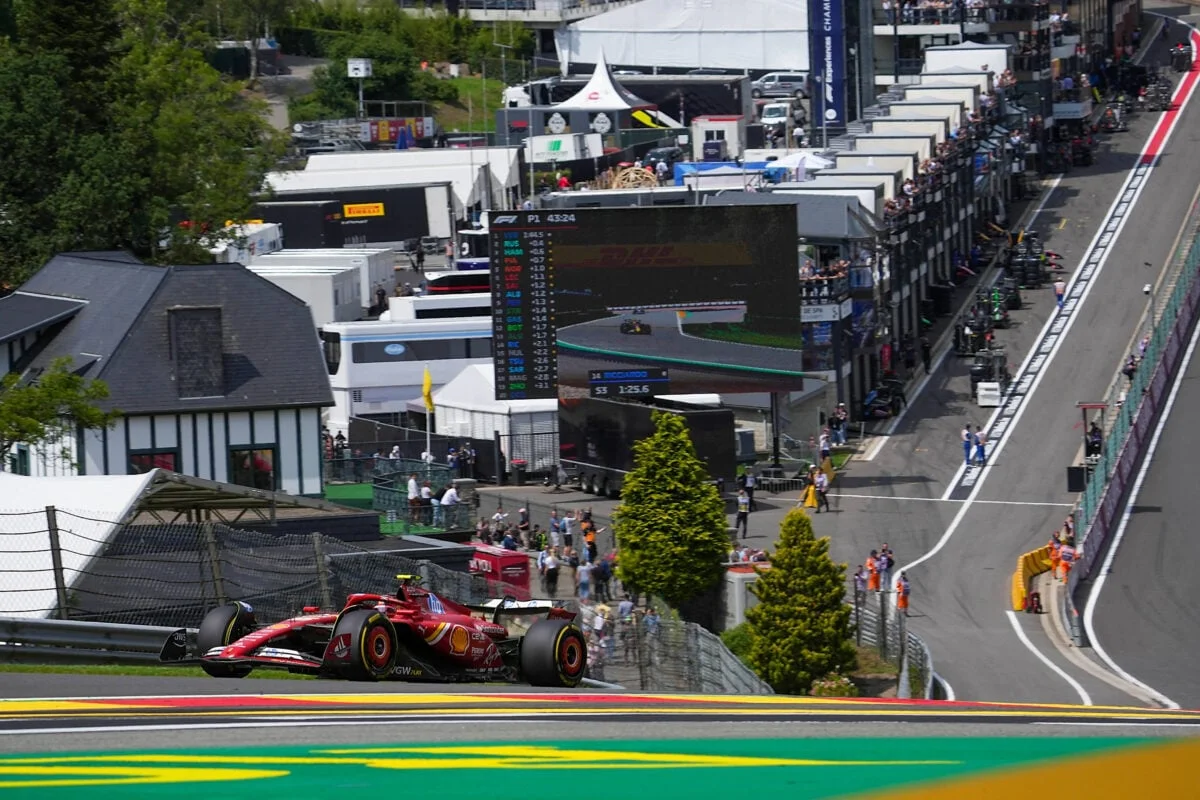

Since its inception in 1925 and inclusion in Formula 1’s first World Championship calendar in 1950, the Belgian Grand Prix has been the stage for countless historic moments, primarily held at the legendary Spa-Francorchamps circuit. This article highlights five of the most unforgettable Belgian Grand Prix memorable moments that have shaped Formula 1 history in recent decades.
The Rise of Schumacher: A Calculated Victory in 1992
The 1992 Belgian Grand Prix marked a defining moment for Michael Schumacher, who was transitioning from an impressive debut with Jordan to becoming a serious contender at Benetton. The weekend was overshadowed by a severe accident during Friday practice when Ligier’s Erik Comas crashed at Blanchimont. Ayrton Senna bravely stopped his McLaren and rushed to Comas’s aid amid oncoming traffic, an act the French driver later credited with saving his life.
Rain began to disrupt the race early on, compelling most drivers to pit for tyres except Senna, who gambled on the rain passing and maintained slick tyres. This decision allowed Nigel Mansell to build a substantial lead alongside teammate Riccardo Patrese. However, Schumacher’s pivotal moment came on lap 30 when he went off-track and lost positions to Martin Brundle. Observing his team-mate’s tyre wear, Schumacher pitted for slick tyres three laps earlier than Mansell.
This bold move paid off: in just three laps, Schumacher turned his time deficit into a five-second lead once Mansell rejoined the track, who was then hampered by engine issues. Schumacher extended his advantage to 36 seconds, securing his first of six career wins at Spa. This race also marked the final victory for a car with a traditional H-pattern gearbox, underscoring a transitional era in F1 technology.
Chaos and Triumph amid the 1998 Wet Weather Wreck
The 1998 Belgian Grand Prix is remembered for one of Formula 1’s most dramatic pile-ups. As the field rounded La Source on a rain-soaked track, David Coulthard lost control of his McLaren after striking the inside wall. His car slid back onto the racing line, triggering a massive crash as other drivers struggled to react in the spray-filled conditions. The aftermath was striking, with debris scattered across the track, but miraculously no serious injuries were reported.
According to the rules then in place, drivers whose cars were damaged were allowed to restart using their team’s spare vehicles, barring those from Arrows, Tyrrell, and Prost teams who were unable to continue. The second race start proved challenging as Mika Hakkinen spun out early, leaving Damon Hill to seize the lead. Hill defended tenaciously against Schumacher before relinquishing the position on lap 8 at the Bus Stop chicane.
Schumacher then demonstrated his exceptional wet-weather skill, pulling out a commanding 40-second gap by lap 25. With Hakkinen out, this was his chance to gain critical ground in the championship. However, misfortune struck when Schumacher collided with Coulthard while lapping him, forcing both into the pits and resulting in retirement. Schumacher publicly accused Coulthard of deliberate obstruction, an incident that notably escalated tensions between the drivers and teams.
Following safety car deployment, Hill reclaimed the lead, securing a breakthrough win for the Jordan team. Only eight drivers finished, including the two drivers who rejoined laps down in a bid for points, underscoring the race’s extraordinary difficulty and its place as a classic wet-weather contest.
Internal Battles Decide the 2008 Spa Thriller
The 2008 Belgian Grand Prix unfolded as a critical chapter in the fierce title fight between Lewis Hamilton and Ferrari’s Felipe Massa and Kimi Raikkonen. Hamilton began on pole in damp conditions but slipped on the second lap, ceding the lead to Raikkonen. Despite multiple pit stops, the order remained unchanged as the Finn held a razor-thin lead entering the final stint.
With rain intensifying late in the race, Hamilton and Raikkonen engaged in a gripping duel. Hamilton overtook Raikkonen by cutting the final chicane, only to allow Raikkonen to repass him before diving inside at La Source. Raikkonen’s defense was fierce but cost him minor damage to his front wing. The wet track threw further challenges, with Hamilton needing to avoid Nico Rosberg’s spinning car, which allowed Raikkonen to regain the lead momentarily.
Raikkonen’s fortunes reversed when he spun at Blanchimont, crashing into the barriers and seemingly securing a clear path for Hamilton to win. Struggling in the final laps, Hamilton maintained enough of a buffer over Massa to cross the finish line first. However, two hours later, stewards penalized Hamilton with a 25-second time addition for gaining an unfair advantage at the chicane, relegating him to third place and handing victory to Massa. McLaren’s unsuccessful appeal amplified the race’s dramatic impact, highlighting the tension and close margins of the 2008 championship.
Charles Leclerc’s First Triumph Amid Tragedy in 2019
The 2019 Belgian Grand Prix was deeply affected by the tragic death of Anthoine Hubert, a promising young driver who lost his life in a Formula 2 crash on Saturday. A subdued atmosphere permeated Spa, with a heartfelt tribute held on Sunday morning and a minute of silence before the race began.
Charles Leclerc, a close friend of Hubert, secured pole position for the third time in his young career and was determined to achieve his maiden Formula 1 victory. Despite intense competition during the race from teammate Sebastian Vettel and Mercedes’ Lewis Hamilton, Leclerc displayed composure and delivered a flawless performance amidst immense emotional weight.
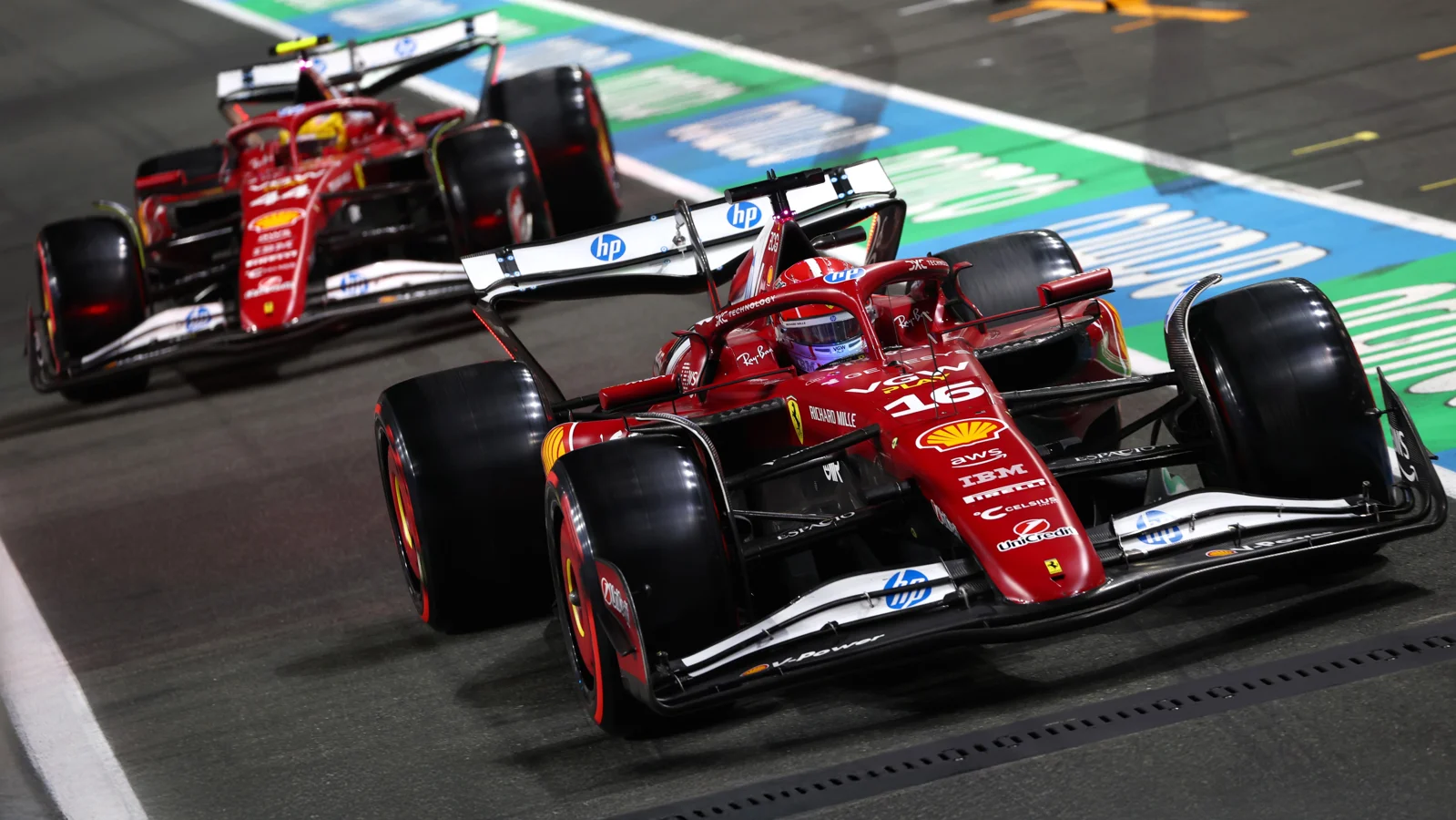
Leclerc’s success at Spa was followed by another win at Monza, where celebrations were far more jubilant, but his first career victory remained a poignant milestone. After the race, Leclerc gestured to the sky, honoring his late friend, capturing the complex emotions intertwined with one of the Belgian Grand Prix memorable moments.
An Unprecedented Short Race and Controversy in 2021
The 2021 Belgian Grand Prix delivered a record-setting event, but not for the reasons fans hoped. Weather conditions dominated the weekend, with Lando Norris suffering a severe crash during a delayed qualifying session at Raidillon. Race director Michael Masi later acknowledged that the qualifying should not have taken place given the hazardous weather, a decision criticized initially by Sebastian Vettel.
The rain persisted into race day, causing a series of delayed starts while officials sought a safe window to begin. After extensive postponements, the race finally commenced behind the safety car, but no green-flag racing occurred before the event was suspended on lap three. Since the safety car laps were counted as race laps, half points were awarded, officially making this the shortest Formula 1 race in history.
Max Verstappen was declared the winner based on positions at the countback after the first lap, with Williams’ George Russell achieving his maiden podium and Lewis Hamilton finishing third. Russell’s first career podium was a bright spot for Williams in a difficult season. Meanwhile, criticism mounted over the decision to award points despite the lack of competitive laps, prompting rule changes addressing points distribution in shortened races. The 2021 Belgian GP thus remains a watershed moment in F1 governance and race management strategy.
These five defining Belgian Grand Prix memorable moments reflect the drama, skill, and unpredictability that have made Spa-Francorchamps one of the most revered circuits in Formula 1 history. From daring tyre gambles to rain-soaked carnage, emotional triumphs to controversial rulings, the Belgian GP continues to test drivers and shape championships, promising thrilling chapters in the seasons to come.
Our Reader’s Queries
Q. Is number 13 banned in F1?
A. Yes, the number 13 is permitted. Pastor Maldonado actually chose #13 when the permanent numbers started in 2014. Some cultures think it’s unlucky, but F1 lets drivers decide.
Q. Which F1 driver has ADHD?
A. Lewis Hamilton, born in 1985, is a British Formula One racing driver currently with Mercedes and formerly with McLaren. He openly talks about his ADHD journey and explores his various interests and passions.
Q. Is 13 banned in F1?
A. F1 Driver Number Rules
Selecting a number: F1 drivers can pick a lasting number between 2 and 99 for their career, but not 17.
Q. Which F1 drivers have ADHD?
A. Sir Lewis Hamilton, born in 1985, is a British Formula One driver. He races for Mercedes and has previously driven for McLaren. Hamilton openly talks about living with ADHD and shares his various interests and passions.