
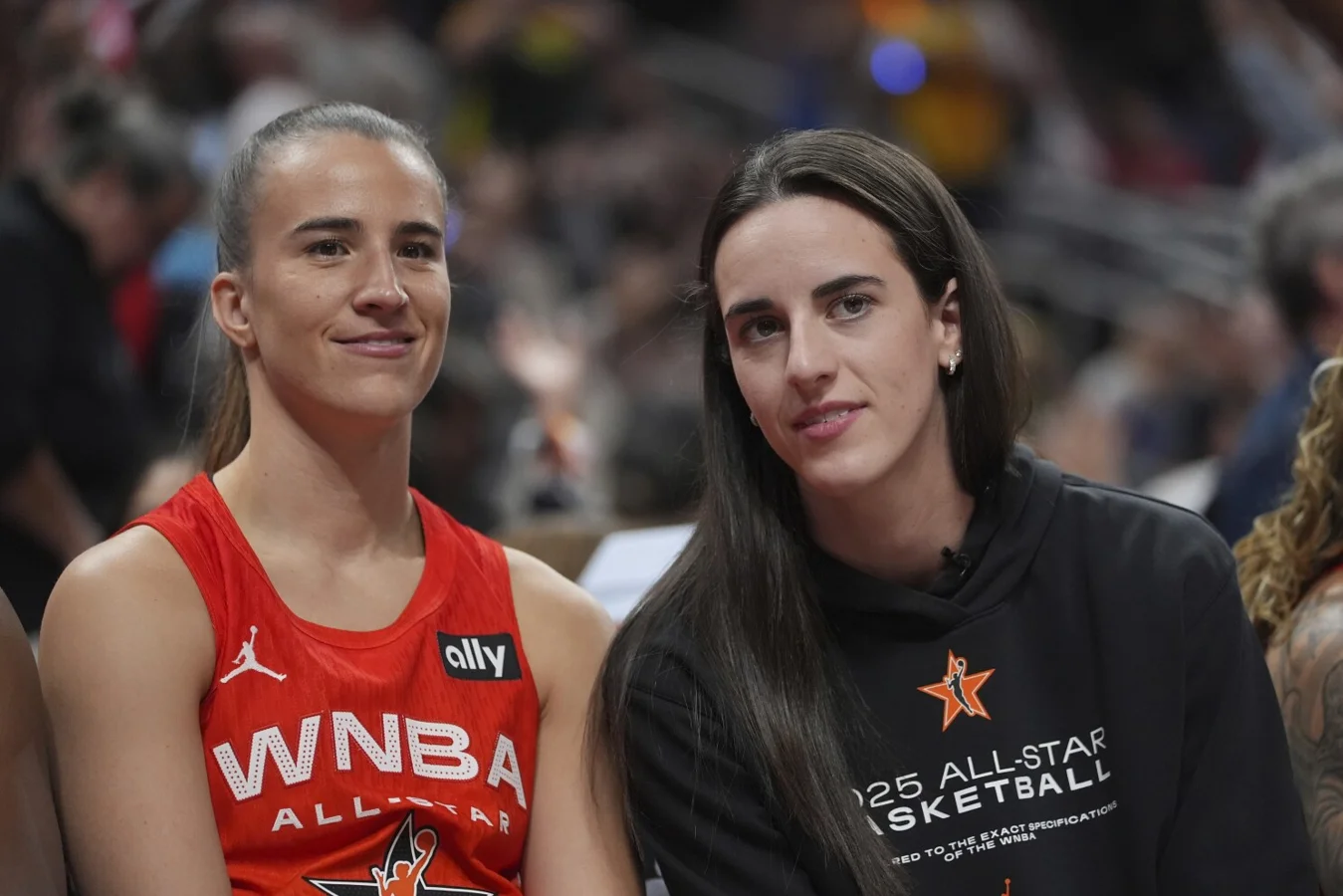

As the WNBA approaches its 30th season, the league is witnessing unprecedented growth, fueled by stars like Caitlin Clark and intense rivalries. Yet, this rapid expansion is shadowed by concerns over the demanding schedule, casting doubt on the longevity of players’ careers, including Clark’s, and the sustainability of the league itself. Indiana Fever’s star Caitlin Clark has faced multiple injuries this season, which not only affect her performance but also cause financial repercussions for her team and the WNBA.
The constricted calendar compresses games into a shorter timeframe, with players forced into near back-to-back matchups and limited rest. This packed schedule is implicated as a major factor behind rising injuries among key players, amplifying worries about how it could hamper the league’s top talent and the quality of basketball presented to fans.
The Toll of the Compressed Calendar on Player Health
WNBA stars resume high-level competition almost immediately after the intense All-Star Weekend, often with only a day or two to recover. Stretching over periods as long as 18 days, the league’s schedule frequently mandates games nearly every other night, intensifying player fatigue and driving an uptick in injuries across teams. Even elite athletes like Clark and Aliyah Boston have struggled to fully recuperate, which undermines their ability to perform at peak levels.
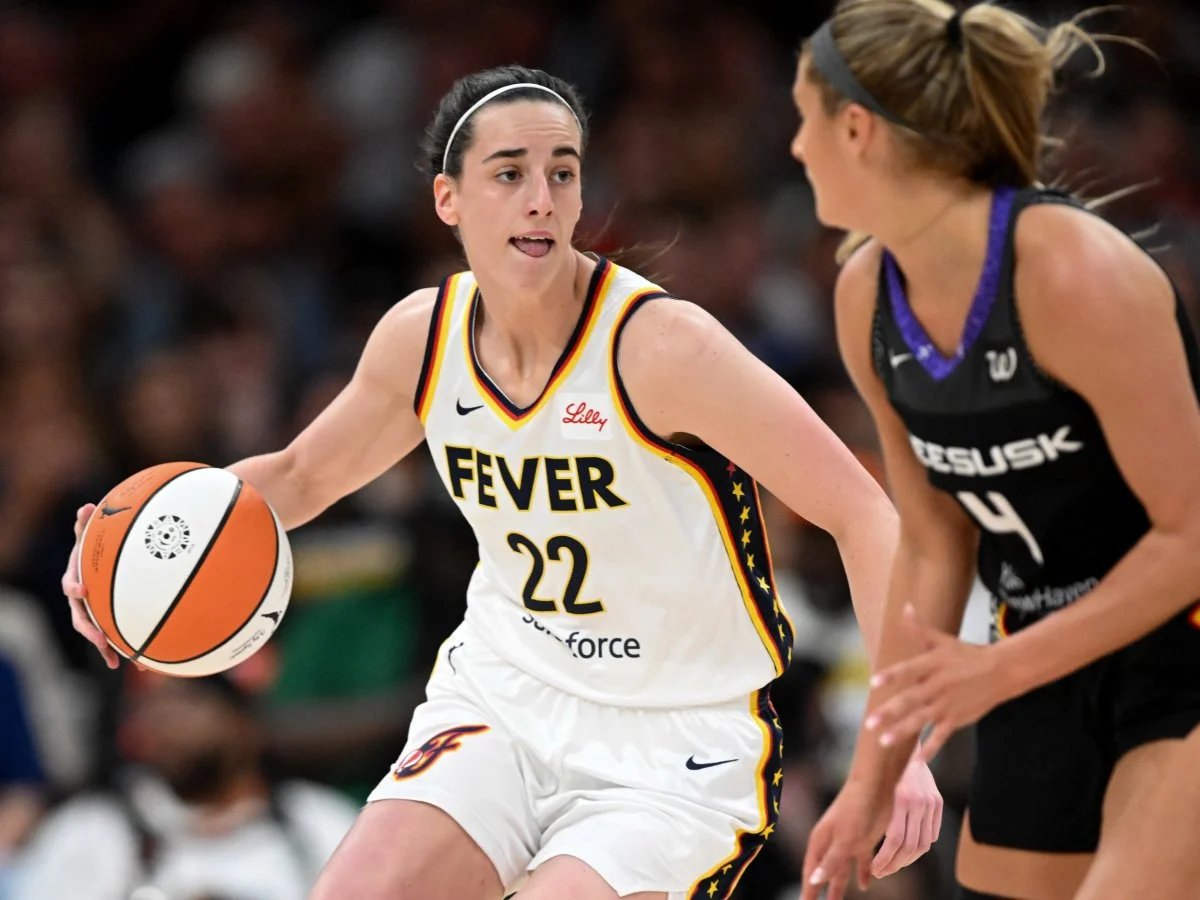
Indiana Fever guard Sophie Cunningham emphasized the strain, stating,
“Yeah, I think that they need to find a way to give us a little bit more of a break. Healthy AB (Aliyah Boston) and Caitlin, you know, they didn’t really ever get there. They were they still had to go to practice. They had to do all that. And these are the top players in our league.”
—Sophie Cunningham, Indiana Fever guard
Other prominent WNBA players echo this fatigue factor. Kelsey Plum succinctly summed up the situation, attributing diminished performances among many players to exhaustion. The compressed schedule is believed to contribute not only to physical weariness but also to diminished intensity during marquee events, such as the All-Star Game. Sabrina Ionescu publicly noted that the demanding timetable dampened the energy and quality of play.
Cunningham further remarked,
“That’s what all is all about, right? So, you kind of want to give them a break so you can get a good product out on the court. Uh, but for me, I think they can they can find two extra days somewhere for us to just relax and sleep.”
—Sophie Cunningham, Indiana Fever guard
Structural Barriers: Roster Limits and Season Extension Challenges
The WNBA faces significant logistical hurdles in addressing these health concerns. One proposed solution involves extending the season into November to reduce game density. However, this faces the practical obstacle of overlapping with the <a href=”https://www.buzzineintl.com/category/basketball/nba/”>NBA season, with shared arenas complicating scheduling. This overlap limits available TV slots and venue access, making season extension difficult.
Beyond timing issues, roster sizes remain a critical challenge. Each WNBA team currently fields a maximum of 12 players with a salary cap of $1,507,100, restricting the ability to absorb long-term injuries. In cases where players are sidelined, teams depend heavily on temporary hardship contracts, but if multiple players miss time simultaneously, the burden on remaining athletes increases, exposing them to heightened injury risk due to overuse.
The Case for Expanding Team Rosters to Protect Players
At present, a concerning number of players log excessive minutes: over 20 athletes average more than 30 minutes per game, while 57 play in excess of 20 minutes regularly. This intense workload on star players like Caitlin Clark raises risks of burnout and injury, which the league is ill-equipped to manage under current roster constraints.
Increasing roster sizes from 12 to 15 would enable teams to better manage player minutes, spread workload, and improve injury prevention. The NBA’s 15-player roster limit serves as a reference point, and while the WNBA’s smaller talent pool and fewer teams complicate direct comparison, incremental roster expansion aligns with the league’s growth trajectory and player welfare priorities.
Indiana Fever President Kelly Krauskopf supports the idea of roster flexibility, suggesting that additional player spots, akin to the NBA’s two-way contracts, would greatly benefit injury management and player development. Fever coach Stephanie White recalled,
“I think plural, extra spots. Shoot, back in the old days, I think we had 15. We had 15 and two on IR,”
—Stephanie White, Indiana Fever coach
Adding roster spots offers wider opportunities for athletes to remain in the league and earn salaries, which becomes increasingly vital as the WNBA grows. Current Collective Bargaining Agreement (CBA) discussions highlight roster expansion as a priority for improving player conditions, though any change may phase in alongside rising league revenues.
The Impending Crossroads for the WNBA and Its Players
The WNBA now faces a critical juncture. While rapid development and rising superstar profiles like Clark’s demonstrate the league’s potential, the physical demands placed on players and a congested schedule reveal structural weaknesses that endanger player health and competitive balance. As injuries mount and fatigue worsens, frustration grows among players and coaches alike, signaling a pressing need for reform.
The league must find realistic solutions to reduce injury risk and improve recovery, or risk losing the very stars who drive its popularity and growth. Addressing scheduling concerns, extending season length if feasible, and expanding roster sizes are key strategies that could safeguard players like Caitlin Clark and enhance the WNBA’s future stability.
Our Reader’s Queries
Q. Why was Caitlin Clark sitting with Taylor Swift?
A. Clark watched the Chiefs’ divisional round playoff game against the Houston Texans from the same suite as Swift at Arrowhead Stadium on Saturday. This was the first occasion both were seen attending a game together. Clark said Swift had invited her to join earlier in the season.
Q. Why is Taylor Swift sitting with Caitlin Clark?
A. Swift was spotted next to WNBA player Caitlin Clark during the Chiefs game against the Houston Texans. Clark attended the game as Swift’s guest after the singer invited her to join.
Q. What did Taylor Swift give Caitlin Clark?
A. Taylor Swift gifted Caitlin Clark all the T-shirts and sweatshirts from her Eras Tour. During Caitlin Clark’s visit to the Indianapolis concert in 2024, Taylor made sure she got four bags filled with Eras Tour merchandise.
Q. Is Caitlin Clark hanging out with Taylor Swift?
A. Clark mentioned that she and Swift “had a lot of fun” at the playoff game in Kansas City, describing it as the “ideal game” for them to attend together. She continued by saying, “It’s adorable to see how enthusiastic she is about the Chiefs,” and expressed her enjoyment by sharing, “Getting to experience that with her, I’m like, ‘Oh my gosh, I love this!’”