


Erick Fedde emerged as a key starting pitcher for the Chicago White Sox in 2024, posting a career-best 3.11 ERA over 21 starts, which contributed significantly to their rebuilding efforts. However, the White Sox traded the 31-year-old right-hander to the St. Louis Cardinals as part of a multi-team deal involving the Los Angeles Dodgers.
This three-team trade also sent infielder Miguel Vargas and two prospects to the White Sox, as Vargas now leads the team in home runs and RBIs despite early struggles. Fedde’s performance initially remained stable with the Cardinals, but a sharp decline followed, culminating in the Cardinals designating him for assignment in early June 2025. This sequence has sparked speculation over whether Fedde could make his way back to Chicago before the trade deadline.
Details of the Three-Team Trade That Shifted Fedde’s Career
The trade that moved Erick Fedde involved all three teams exchanging key players and prospects. The White Sox acquired Miguel Vargas, Jeral Perez (the Dodgers’ 17th-ranked prospect), Alexander Albertus (the 23rd-ranked prospect), and an additional player to be named later or cash considerations from the Dodgers.
The Cardinals acquired Fedde along with outfielder Tommy Pham and cash from Chicago, and a player to be named later or cash from the Dodgers. Meanwhile, the Dodgers secured other assets to bolster their roster, eventually helping them capture the World Series title.
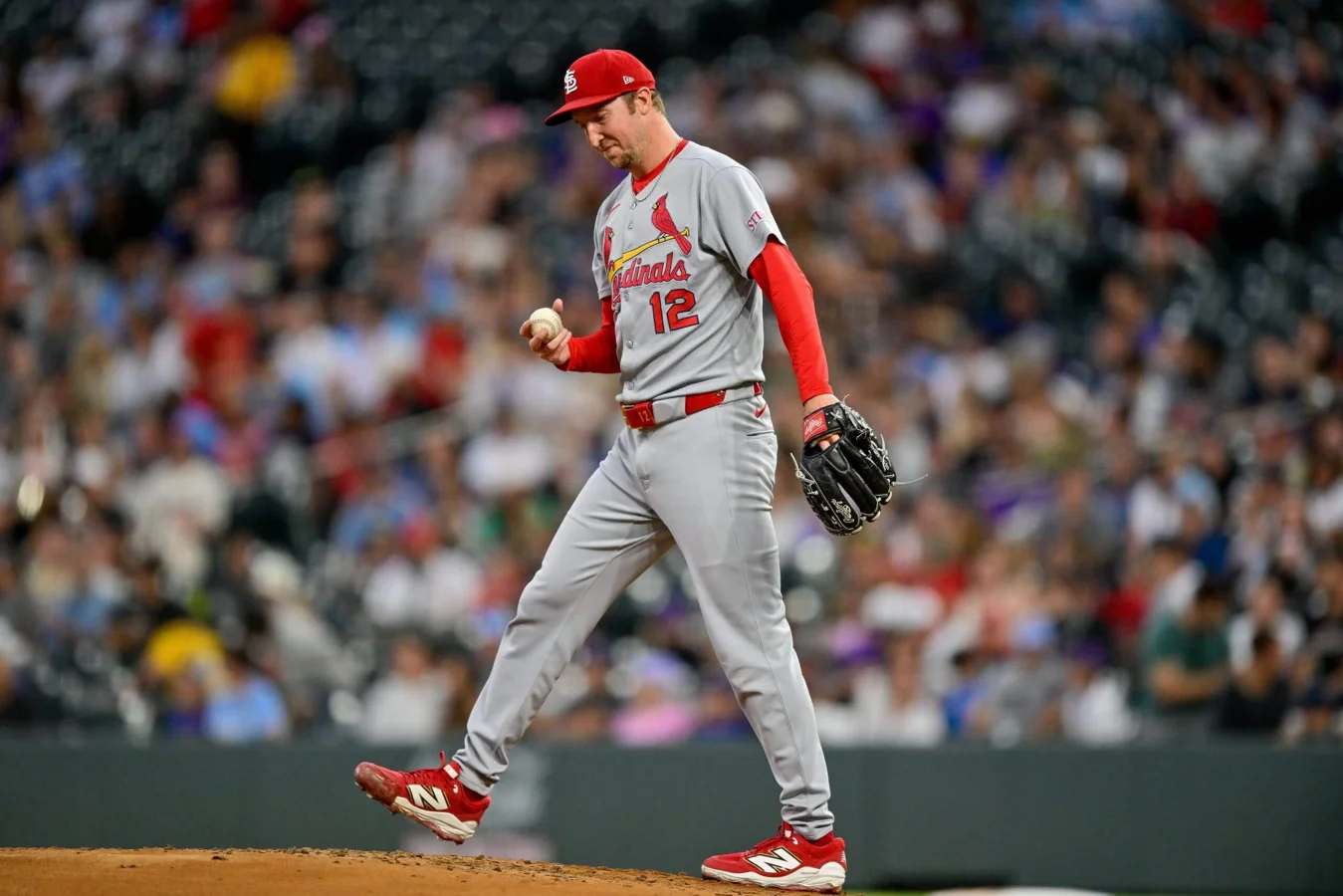
While Vargas has developed into a cornerstone for the White Sox, Fedde’s trajectory since the trade has been less promising. Though he maintained a 3.54 ERA through his first 13 starts with St. Louis in 2025, his recent stretch included 30 earned runs over 28 innings across seven starts, leading to his designation for assignment on June 10.
White Sox Starting Pitching Situation and Challenges
The White Sox currently face a mixed picture in their starting rotation. Shane Smith earned an All-Star selection by showcasing his pitching ability, and Adrian Houser has impressed since joining the team in May, while Davis Martin held a respectable 3.79 ERA before an injury sidelined him.
Nonetheless, injuries to key starters like Smith, Martin, Jonathan Cannon, and Martín Pérez have introduced challenges. The team initially tried Bryse Wilson in the rotation but later designated him for assignment. In addition, the White Sox traded first baseman Andrew Vaughn to the Milwaukee Brewers in exchange for Aaron Civale, whose outings have varied from six shutout innings to less consistent performances.
Due to these setbacks and an overreliance on bullpen games, the White Sox face uncertainty regarding their starting staff’s endurance for the remainder of the season. With the trade deadline approaching, the potential departure of Houser could further open a rotation slot, while Pérez’s return timeline remains uncertain.
Workload Management and Roster Flexibility Influencing Potential Fedde Return
Young starters such as Smith, Martin, Burke, and Cannon are nearing or reaching career highs in innings pitched, prompting the organization to consider creative approaches to managing their arms. The White Sox need to reinforce their rotation depth while protecting their emerging talent, which leaves room for veteran reinforcements like Fedde as a potential option.
General manager Chris Getz addressed the flexibility the team keeps when evaluating roster moves earlier this season:
“We’re always monitoring what’s going on at the minor league level, the major league level, if a player has an opt-out, he’s on waivers or there’s a trade opportunity that makes sense,”
Getz said on June 23.
“Any move we made – whether it be Houser or Civale, because those are obvious examples – the biggest value is being able to protect some of our young arms, but also knowing there was some upside in acquiring those players, that perhaps they could help us at the deadline. But the priority is getting those guys out here and pitching well, and that happens in a lot of different ways.”
This perspective suggests that, while the White Sox are cautious, they remain open to adding starting pitchers who can stabilize the rotation and allow younger pitchers to rest.
Financial Considerations and Alternatives to Bringing Fedde Back
Despite Fedde’s potential value in adding depth, his salary raises practical concerns. He is owed $7.5 million for the entire 2025 season, with around $2.7 million remaining. For a team in a rebuilding phase and not currently in playoff contention, investing in a pitcher with recent struggles might not align with their budget priorities.
The White Sox could instead focus on promoting a young prospect to fill any gaps or pursue a less costly veteran who might provide more consistent performance. Balancing roster flexibility, financial prudence, and player development appears to be a central challenge as the trade deadline approaches.
Looking Ahead: How the Trade Deadline Could Shape the White Sox Rotation
With the trade deadline just over a week away, the White Sox face a critical period to address their pitching needs. The potential trade or promotion involving Adrian Houser, combined with Martín Pérez’s uncertain return, means the rotation will require reinforcement.
Erick Fedde’s availability on waivers places him among the intriguing options for the White Sox to consider, but any move must weigh performance, cost, and long-term strategy. The team’s willingness to make further acquisitions will likely hinge on their assessment of these factors as they strategize to maintain competitiveness while fostering young talent.
Our Reader’s Queries
Q. How fast does Erick Fedde throw?
A. Fedde begins with four different pitches, mainly relying on his fastball and slider. His fastball, which sometimes reaches 97 mph, moves towards the side with a sinking motion. The slider is seen as an average pitch for now but could become a strong weapon. His changeup also shows potential to be average.