
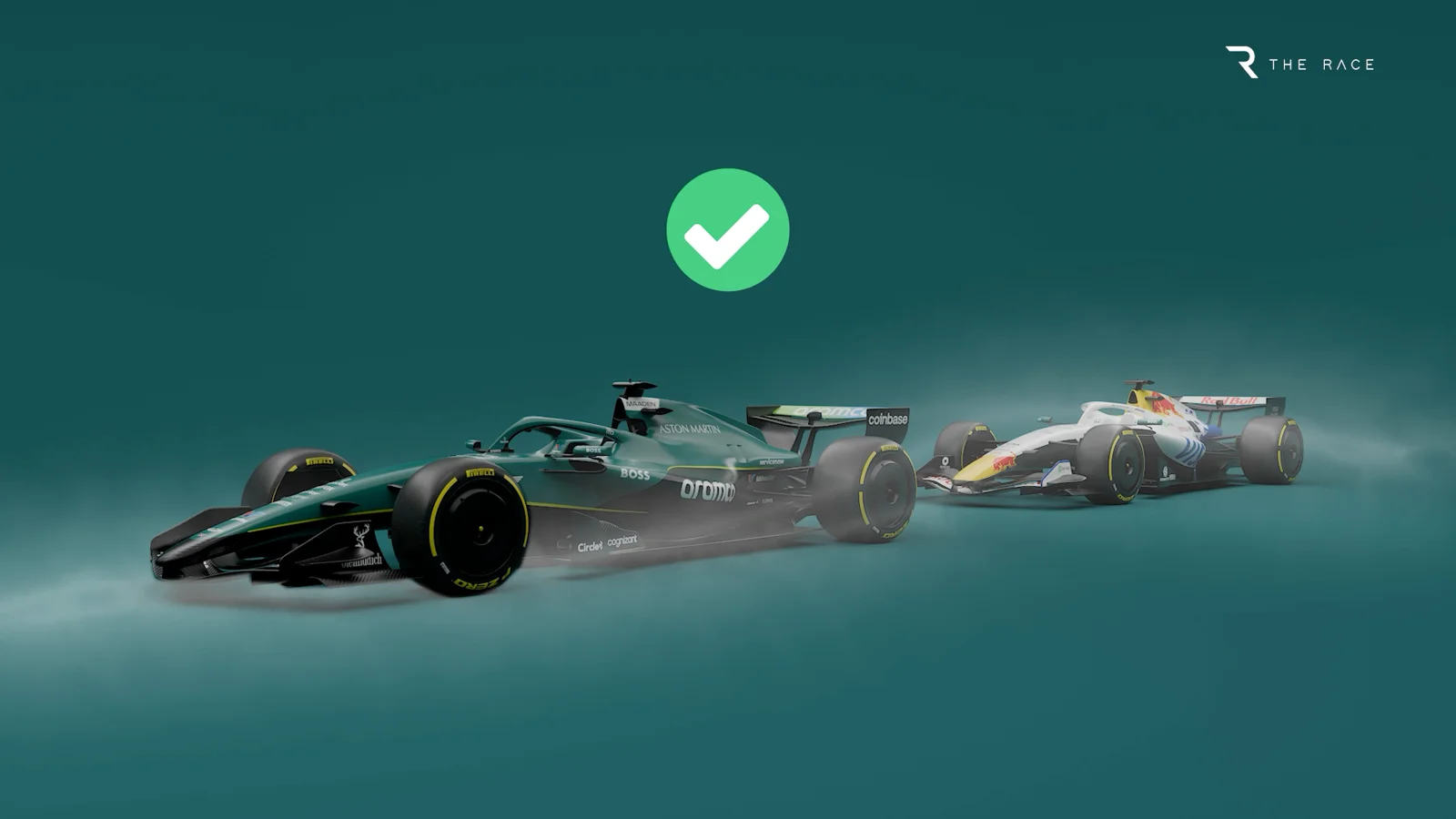

Lance Stroll delivered a sharp critique of the upcoming Formula 1 regulations set for the 2026 season, following his early experience in the simulator. The changes, designed to introduce a new hybrid power unit and aerodynamic systems, have sparked concern over the sport’s future excitement and racing quality.
From 2026, Formula 1 will adopt power units featuring a balanced 50:50 split between electrical energy and traditional internal combustion engine output, while also moving to fully sustainable fuels. This step is part of Formula 1’s broader commitment to achieve Net Zero carbon emissions by 2030.
Unimpressed Reaction to the 2026 Simulator Experience
As part of the 2026 overhaul, Formula 1 plans to introduce movable aerodynamic elements, aimed at improving efficiency and overtaking opportunities. These will operate in two distinct modes: X-mode, which reduces drag for higher speeds on straights, and Z-mode, which increases downforce to improve cornering grip. These features are intended to replace the current drag reduction system partially while advancing energy efficiency.
Despite these advancements, Lance Stroll expressed disappointment after testing the new regulations in the simulator. He described the experience as underwhelming, with the new cars lacking the nimble, thrilling characteristics fans and drivers have come to expect.
The regulations, I think… I don’t know. Bit sad,
Stroll remarked.
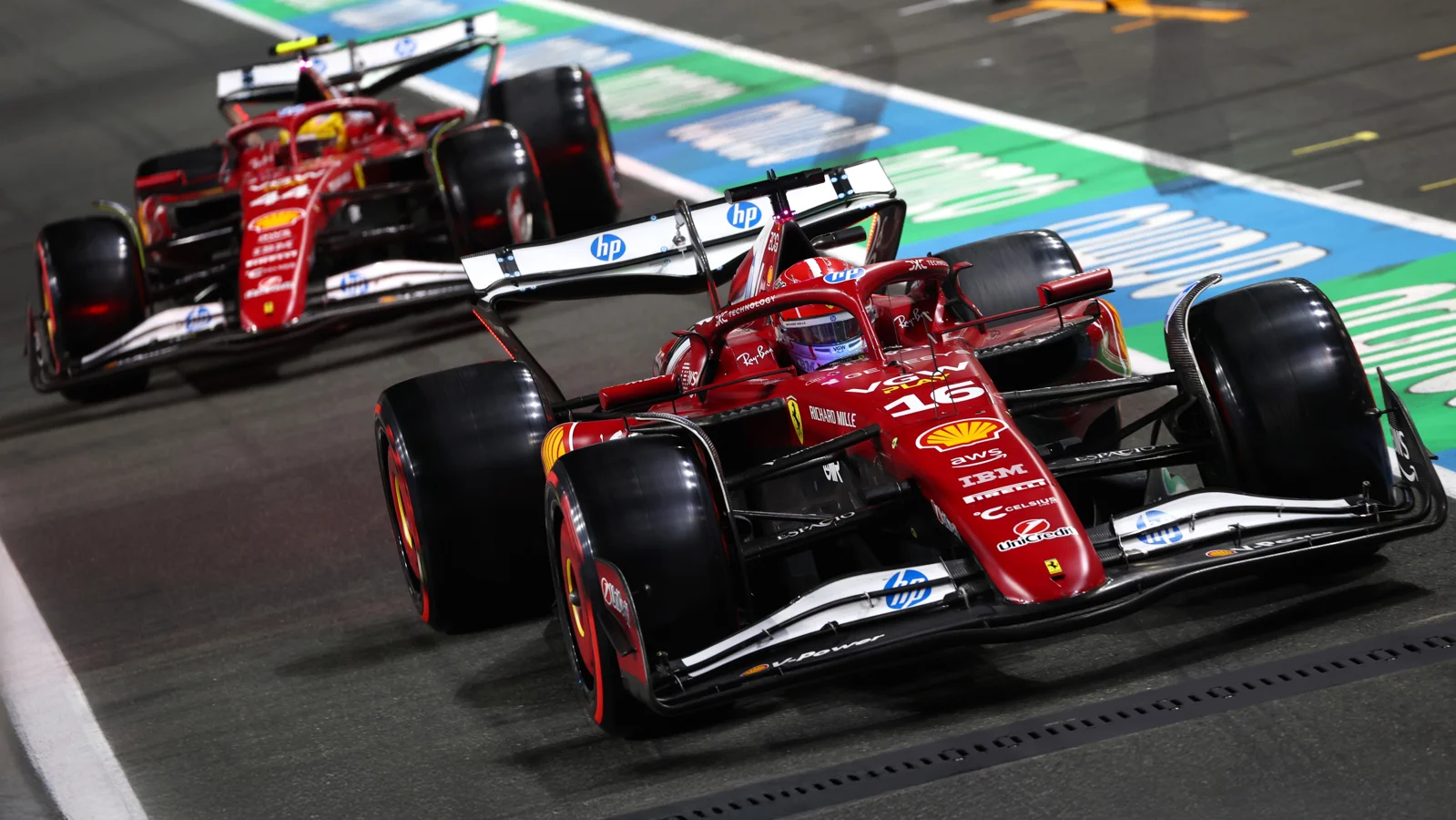
He explained that the new approach focuses heavily on electric energy integration, which comes at the expense of downforce and agility. This shift, according to him, transforms Formula 1 into more of an energy management competition than a visceral racing series.
Would just be fun to see some light, nimble, fast cars, with a lot of downforce, and just simplify the whole thing a bit; less of an energy/battery championship science project, and more of just Formula 1 racing.
Details on 2026 Technical Changes
The power units will use a 50:50 mix of battery electric and combustion power, while the introduction of sustainable fuels aligns with environmental objectives. In terms of weight, 2026 cars will be lighter than the 2025 specifications, dropping from 800 kilograms to approximately 768 kilograms, though this remains significantly heavier than the roughly 505 kilograms raced in the early 1990s.
The increased weight is largely due to the heavy battery packs integral to the new power units, which affects the vehicles’ agility and overall track dynamics. Stroll attributed much of the racing challenge to energy deployment and management, aspects which he feels detract from traditional racing skills.
A lot of it’s about that [deploying, harvesting, and managing energy],
he admitted.
Stroll also acknowledged that the new regulations will level the playing field in terms of energy management expertise and that those who master this aspect will benefit the most.
I’m not a fan of the direction,
Stroll confessed.
However, he remains pragmatic, noting that if his team produces a fast and competitive car, complaints will diminish.
But if we have a fast car and we’re competitive, and we’re doing better than everyone else… That’s when you’ve got nothing to complain about.
The Canadian driver suggested that while many drivers share his reservations about the new regulations, public dissent may be muted for political reasons within the sport.
It’s exciting to think about cars that can scream a little bit louder, be a bit lighter, and just not depending, or not focus so much on that energy – battery, powertrain – that’s not very racy.
Aston Martin’s Role Amidst the Regulation Shift
Amidst these regulatory changes, Aston Martin will become Honda’s official factory team starting next season, marking Honda’s shift away from its prior partnership with Red Bull. This new collaboration places Aston Martin in a pivotal position within the sport’s evolving landscape.
The Silverstone-based team has also bolstered its technical capabilities by bringing in renowned aerodynamicist Adrian Newey. Newey’s current focus is on the development of the 2026 car, utilizing the team’s new state-of-the-art wind tunnel to maximize performance potential within the new regulations.
Anticipating the Future Impact of the 2026 Rule Changes
The introduction of these comprehensive technical modifications signals a significant transformation for Formula 1, both on and off the track. The balancing act between sustainability ambitions and preserving the essence of the sport remains a central challenge. Lance Stroll’s critique highlights the unease among some drivers regarding the potential loss of racing purity and excitement.
Going forward, teams and drivers will need to adapt to the energy-focused racing format while attempting to extract maximum performance from heavier, less nimble cars. The partnerships and innovations developed during this transition period, such as Aston Martin’s alliance with Honda and Adrian Newey’s engineering input, will be crucial to success.
As Formula 1 progresses towards 2026, fans and participants alike will watch closely to see how these changes influence the spectacle and competition of the World Championship.
Our Reader’s Queries
Q. Is number 13 banned in F1?
A. Yes, the number 13 is permitted. Pastor Maldonado chose #13 when F1 introduced the permanent number system in 2014. Some cultures think 13 is unlucky, but F1 lets drivers decide.
Q. Which F1 driver has ADHD?
A. Lewis Hamilton’s experiences with ADHD and dyslexia have influenced both his racing career and personal life. His journey challenges traditional ideas of success in Formula 1, emphasizing the importance of acknowledging learning differences.
Q. Is 13 banned in F1?
A. F1 Driver Number Rules
Choosing a number: Every driver can select a fixed number between 2 and 99, except 17, for their entire F1 career.
Q. Which F1 drivers have ADHD?
A. Lewis Hamilton. Sir Lewis Carl Davidson Hamilton, born in 1985, is a British Formula One driver for Mercedes. He used to race for McLaren. Hamilton openly talks about living with ADHD and explores his various interests and hobbies.