
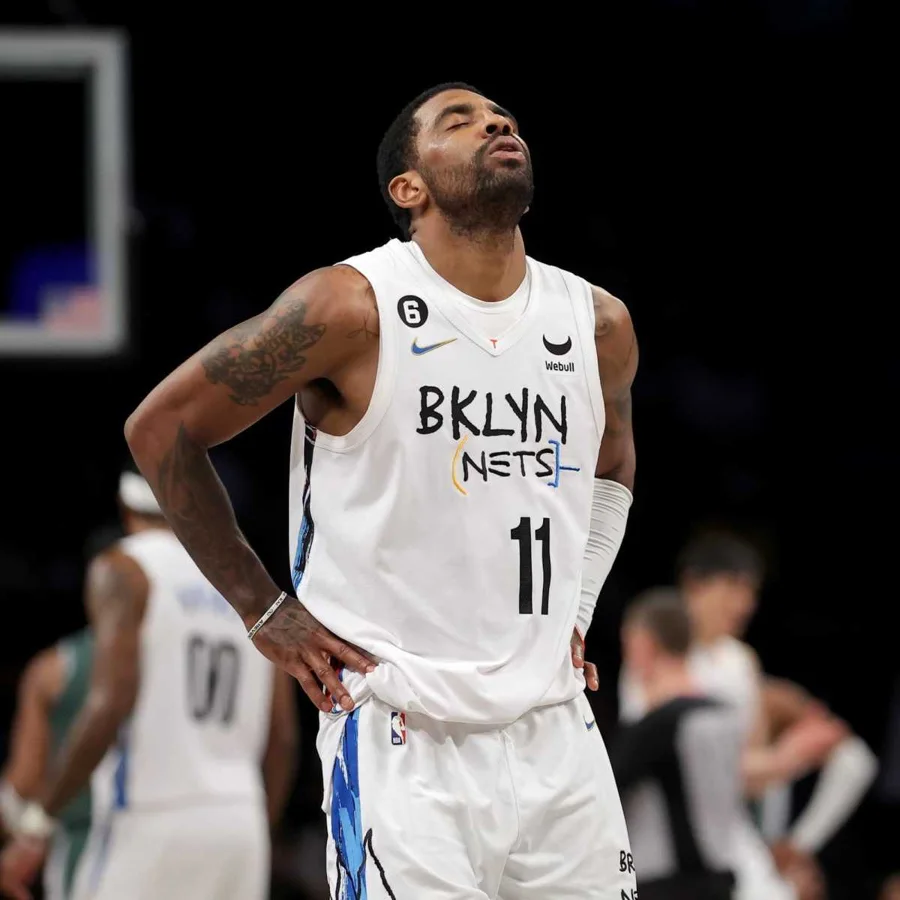

On Tuesday night, former Brooklyn Nets guard Kyrie Irving disclosed that he asked the team for his release amid disputes connected to the COVID-19 vaccine mandate in 2021. This revelation came during a Twitch live stream, where Irving expressed frustration over his playing restrictions with the Nets during that period. The focus on Kyrie Irving Brooklyn Nets release highlights the tension between the player and the organization throughout the vaccine mandate enforcement.
Irving’s Absence Results from New York City’s Strict Vaccine Requirements
Irving missed much of the 2021-22 NBA season due to New York City’s local COVID-19 vaccine mandate, which required anyone entering indoor gyms, including Barclays Center where the Nets play, to have received at least one COVID-19 shot. Because Irving was unvaccinated, he was deemed ineligible to participate in home games, limiting his ability to contribute to the team for months.
Brooklyn Nets general manager Sean Marks commented on the decision at the time, emphasizing that it was jointly made with Nets owner Joe Tsai, based on what they believed was best for the organization. This internal decision underscored the complexities faced by sports franchises balancing player availability with health policies.
City Officials Address the Unique Situation Surrounding Irving’s Eligibility
Despite New York City lifting vaccine mandates for indoor activities later on, Irving was still blocked from playing. Visiting players who did not meet the vaccine requirements were exempt and allowed to play in New York, which added to the unusual nature of Irving’s case. In February 2022, New York City Mayor Eric Adams addressed the situation, acknowledging the challenges involved.
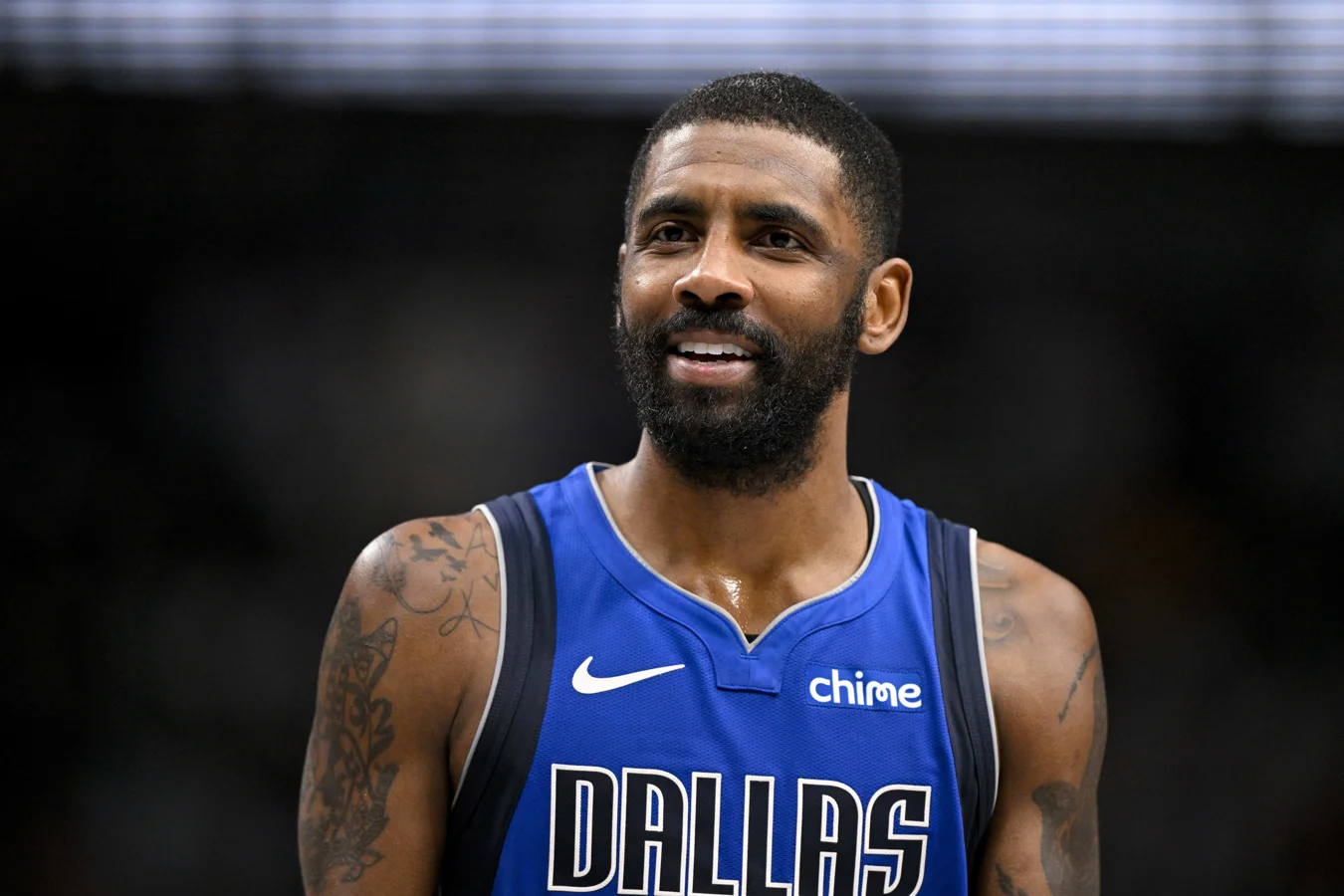
“These are the rules and I have to follow the rules. If I don’t, I’m going to open the door that is sending the wrong message to everyday employees. […] And trust me, I want Kyrie on the court. We are here right now opening our city because of vaccine mandates. We can’t close down again. I can’t have my city close down again.” —Eric Adams, New York City Mayor
Mayor Adams stressed the importance of adherence to city regulations while also expressing his desire to see Irving playing again. He highlighted the balance between public health and economic recovery in the city’s policymaking decisions.
Return to Play After City Adjustments to Mandate Policy
On March 24, 2022, the city modified its rules, permitting unvaccinated athletes and performers crucial to New York’s economy to resume work. Following this change, Kyrie Irving was cleared to play and made his home debut three days later in a matchup against the Charlotte Hornets, which the Nets lost 119-110. In that game, Irving scored 16 points and contributed 11 assists despite struggling with shooting efficiency.
Irving’s Stance on Freedom and Personal Choice Amid Controversy
Reflecting on his position during the vaccine mandate dispute, Irving stated firmly that he prioritizes his independence and freedom in life choices. He acknowledged the backlash and impact on his public image but maintained his resolve regarding his personal beliefs and the protection of his family’s reputation.
“I’m standing for freedom. So that’s in all facets of my life. There’s nobody that’s enslaving me, there’s nobody that’s telling me what I’m going to do with my life, and that’s just the way I am. If I get tarnished in terms of my image and people try to slander my name continuously, those aren’t things that I forget. I haven’t forgotten anything that anybody said. I don’t read everything, but I definitely read some things that put my family’s name in a certain position that I believe are unfair.” —Kyrie Irving, Former Brooklyn Nets Guard
Impact and Future Implications for Player-Organization Relations
Kyrie Irving’s request for release during a tense period underscores the friction between individual player rights and organizational policies in professional sports. It highlights how COVID-19 policies can affect team dynamics and player availability, particularly when local government mandates come into play. This case also signals challenges teams may face managing star players under similar public health restrictions in the future.
As the NBA and its teams continue to navigate evolving health protocols, the Irving-Nets situation exemplifies the complexities surrounding player autonomy, team decisions, and fan expectations in a pandemic-affected sports environment. The resolution of this conflict and its effects on the Nets’ roster decisions may influence how teams handle comparable disputes moving forward.