
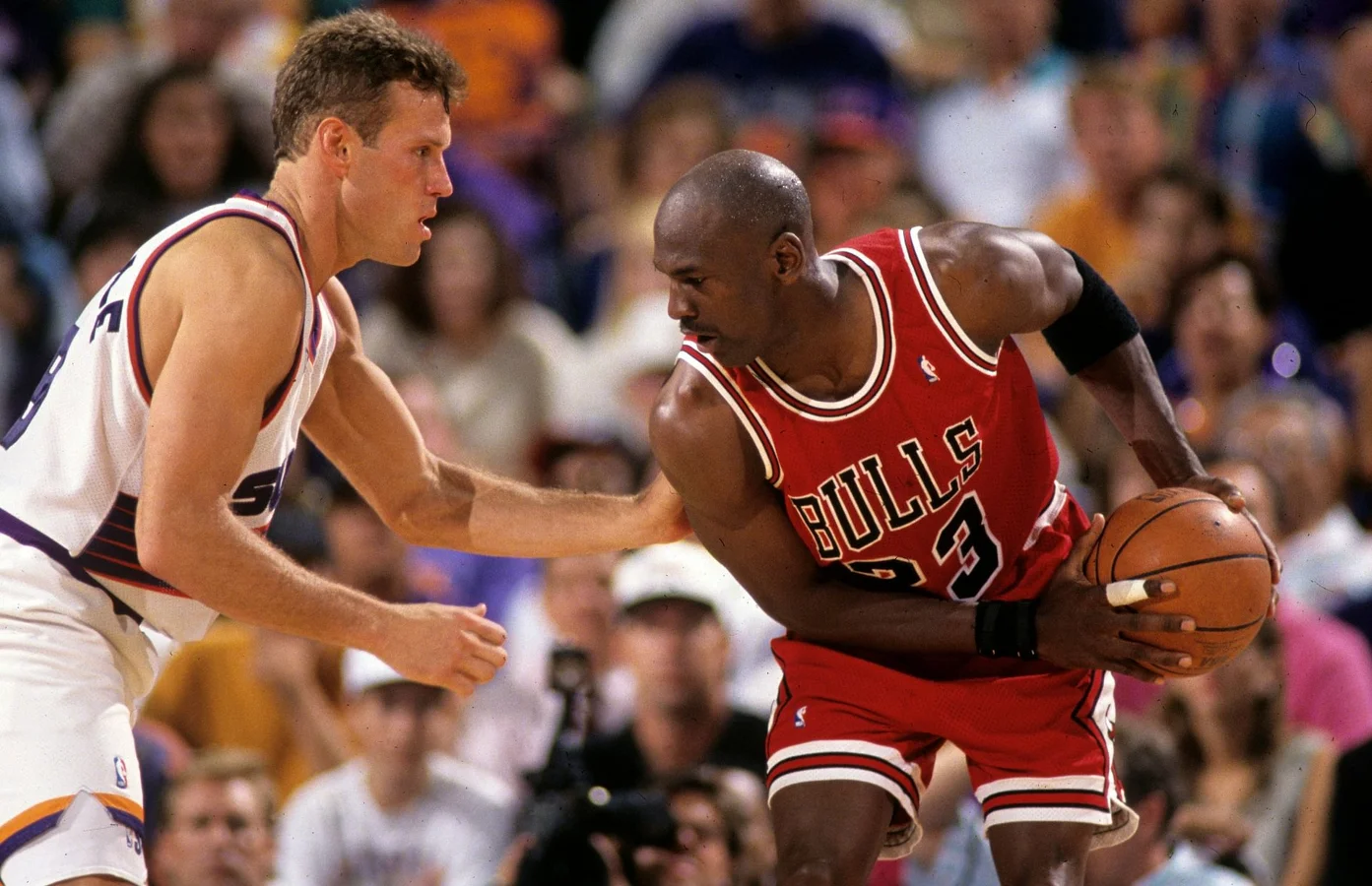

During the 2020 COVID-19 pandemic, Michael Jordan became a focal point in basketball conversations following the release of the documentary The Last Dance. Roy Williams, the longtime University of North Carolina coach, shared his views on Jordan’s impact and the ongoing comparisons between Jordan, Kobe Bryant, and LeBron James in a May 18, 2020, episode of Packer and Durham, featured on Tar Heel Tapes’ YouTube channel.
Williams highlighted how the documentary introduced a new generation of basketball fans to the magnitude of Jordan’s dominance with the Chicago Bulls in the 1990s. Host Wes Durham noted that many younger fans, who grew up watching players like Kobe Bryant and LeBron James, only became aware of Jordan’s greatness thanks to the series, a point Williams agreed with.
“Everybody says ‘Well, Michael Jordan was the GOAT,’ but even my players, they’ve just seen a clip here, clips there, some highlights. But talking to my guys, these last three weeks have given them a totally different perspective,” Williams said. —Roy Williams, UNC Coach
“Because you’re talking about the NBA players themselves putting him at a different level than anybody else. You know his own interviews have been great. They’ve been very straightforward, very honest, very brash at times, but he’s always been very truthful about what he says.”
Insights into the Generational Debate on Basketball Greats
Williams remarked that basketball fans across multiple age groups have gained a deeper appreciation for Jordan’s skills, especially younger players influenced by the careers of Kobe Bryant and LeBron James. He recounted how his own players frequently debate over who is the greatest among the three legends, acknowledging that these conversations occur regularly within his team.
“Our guys all the time, about every other year, they’ll say, ‘all right, come on Coach – Kobe, LeBron, Michael?’ And I said, ‘Guys, you’re silly to even talk about it.’”
Evaluating NBA Championships Among Jordan, Bryant, and James
One major point in favor of Michael Jordan in the GOAT discussions is his flawless record in NBA Finals appearances. Jordan led the Chicago Bulls to six NBA championships during the 1990s, accomplishing two separate three-peats, and maintaining an undefeated record in Finals series.
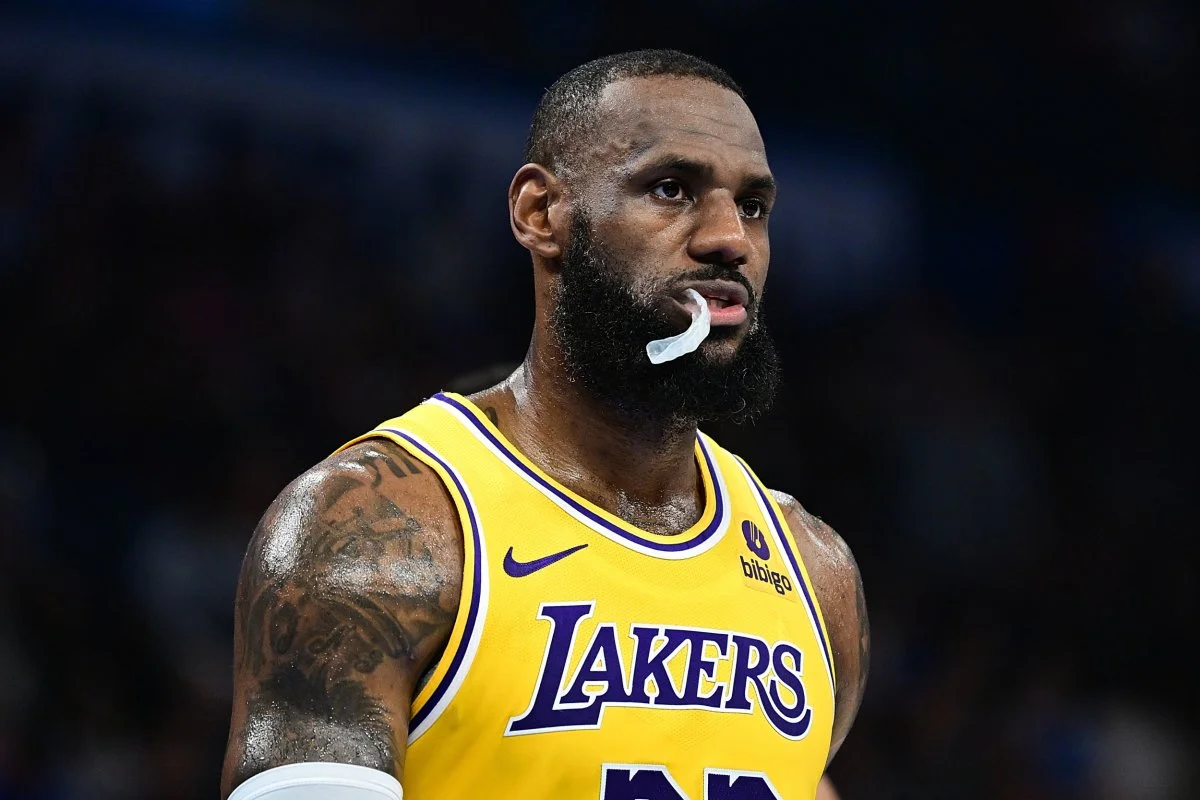
This contrasts with Kobe Bryant and LeBron James, both of whom experienced losses in the Finals despite their significant achievements. Bryant secured five titles with the Los Angeles Lakers but suffered two Finals defeats—once against the Detroit Pistons in 2004 and again to the Boston Celtics in 2008.
LeBron James has won four championships across three different teams: Miami Heat, Cleveland Cavaliers, and the Los Angeles Lakers. However, James has also been defeated six times in the Finals, making his playoff record more mixed than Jordan’s or Bryant’s.
What These Comparisons Mean for the Future
Williams’s perspective suggests that while discussions comparing Jordan, Kobe, and LeBron are common among fans and players, the debate itself may overlook the unique contributions of each player. The number of championships often arises as a significant factor in these conversations, but Williams characterizes these debates as somewhat “silly,” implying the complexity of judging greatness through simple comparisons.
As basketball fans continue to analyze the careers of these iconic athletes, Williams’s reflections remind us that greatness in the NBA cannot be fully captured by titles alone. The ongoing LeBron James NBA championships comparison will likely persist as new generations assess the legacies left by these stars, but Williams’s view encourages appreciating each player’s individual greatness.