


LeBron James, one of the NBA’s most celebrated players, has been thrust into the spotlight once again amid fresh steroid use allegations. These claims emerged when former NBA player Jeff Teague accused James of using performance-enhancing drugs during his peak years with the Miami Heat, intensifying speculation around James’s career and physical condition. The allegations coincide with rumors about James’s past back injury struggles, adding fuel to an already tense conversation.
Details of LeBron’s 2014 Back Injury and Recovery Efforts
During the 2014-15 NBA season, LeBron James dealt with a significant back injury that kept him off the court for about two weeks, marking a rare period of absence in his career. This injury occurred during his first season back with the Cleveland Cavaliers after four successful seasons with the Miami Heat. He missed 13 games that season, the most he had missed up to that point, and although he returned in mid-January to help his team reach the NBA Finals, analysts observed that he was not fully at his usual level.
Brian Windhorst, an ESPN analyst, noted that James’s performance was affected after the injury, highlighting the challenges he faced throughout the remainder of the season. In response, LeBron took comprehensive measures to manage his health by working closely with trainers to prevent further complications, focusing on long-term body care strategies that helped sustain his career into his late 30s and beyond.
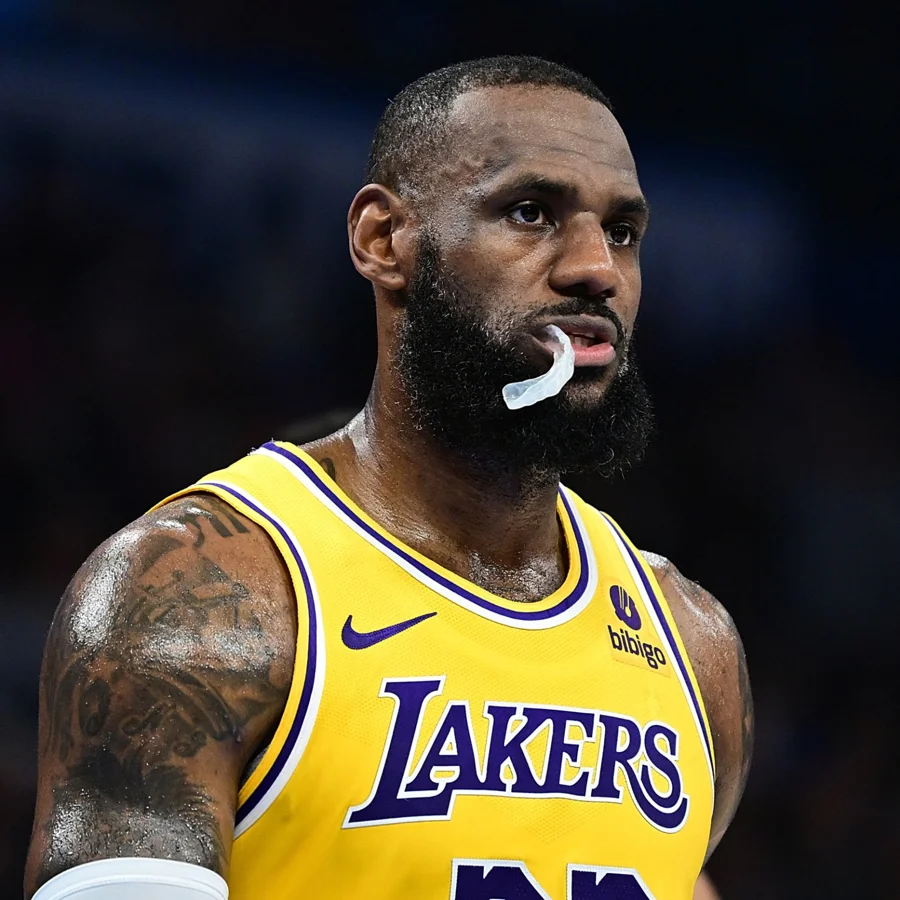
Examining Jeff Teague’s Steroid Allegations
Jeff Teague’s comments on the Club 520 Podcast reignited debates by claiming that LeBron’s back injury absences were linked to steroid use, specifically human growth hormone (HGH). Teague stated bluntly, “He was on steroids, bro,” implying that James’s injury was potentially being used to conceal performance-enhancing drug use. He also suggested that the NBA’s initiation of HGH testing around that time was relevant, insinuating that James may have taken measures to avoid detection.
However, this timeline raises questions since during LeBron’s Miami Heat tenure he never missed more than three straight games, and the NBA officially began HGH testing only in the 2015-16 season, after James had already returned to Cleveland. In that comeback season, James played 76 out of 82 games, leading the Cavaliers to an NBA championship, which contrasts with Teague’s account and undermines the credibility of the allegations.
The Persistent Nature of Performance-Enhancing Drug Rumors
LeBron James has long been the subject of rumors regarding performance-enhancing drugs, often fueled by his extraordinary athletic ability and sustained success well into his late 30s and early 40s. Similar to suspicions that swirl around elite performers in other sports, such claims frequently arise without substantiated evidence. Teague’s assertions are particularly questioned given the lack of concrete proof and his own credibility as the source of these allegations.
Understanding Human Growth Hormone and Its Role in Sports
Human growth hormone, naturally produced by the pituitary gland, plays a critical role in muscle development, cellular regeneration, and overall growth. Synthetic HGH is banned in most professional sports when used illicitly because it can enhance athletic performance and accelerate recovery. Detection of HGH is complex, relying on blood tests rather than urine tests commonly used for steroids, which is why professional leagues like the NBA enforced HGH testing starting from the 2015-16 season.
High-profile cases, such as that of former New York Yankees player Alex Rodriguez, who was suspended for HGH use, highlight how seriously leagues treat such violations. Meanwhile, figures like former Dallas Mavericks owner Mark Cuban have voiced opinions that HGH might have legitimate medical and recovery benefits, suggesting the NBA reconsider its stance on the hormone. Nevertheless, the league’s policies remain strict, imposing significant suspensions for confirmed violations.
Context and What These Allegations Mean for LeBron’s Legacy
Though conspiracy theories and steroid allegations continue to shadow LeBron James, the facts and timelines surrounding his career and the NBA’s testing protocols do not support Jeff Teague’s claims. James’s commitment to maintaining his physical health, evidenced by his long career and ability to perform at a high level despite injury setbacks, stands in contrast to rumors of drug use. As conversations around player health and league regulations evolve, such accusations highlight the tension between public perception and verified information in professional sports.
Our Reader’s Queries
Q. Does LeBron James sleep 12 hours?
A. Professional athletes use up much more energy than most people, so they usually sleep longer than the suggested 8 hours. For example, LeBron James usually sleeps around 12 hours each night. This is noteworthy because top athletes often travel for games, making it difficult to get enough rest.