
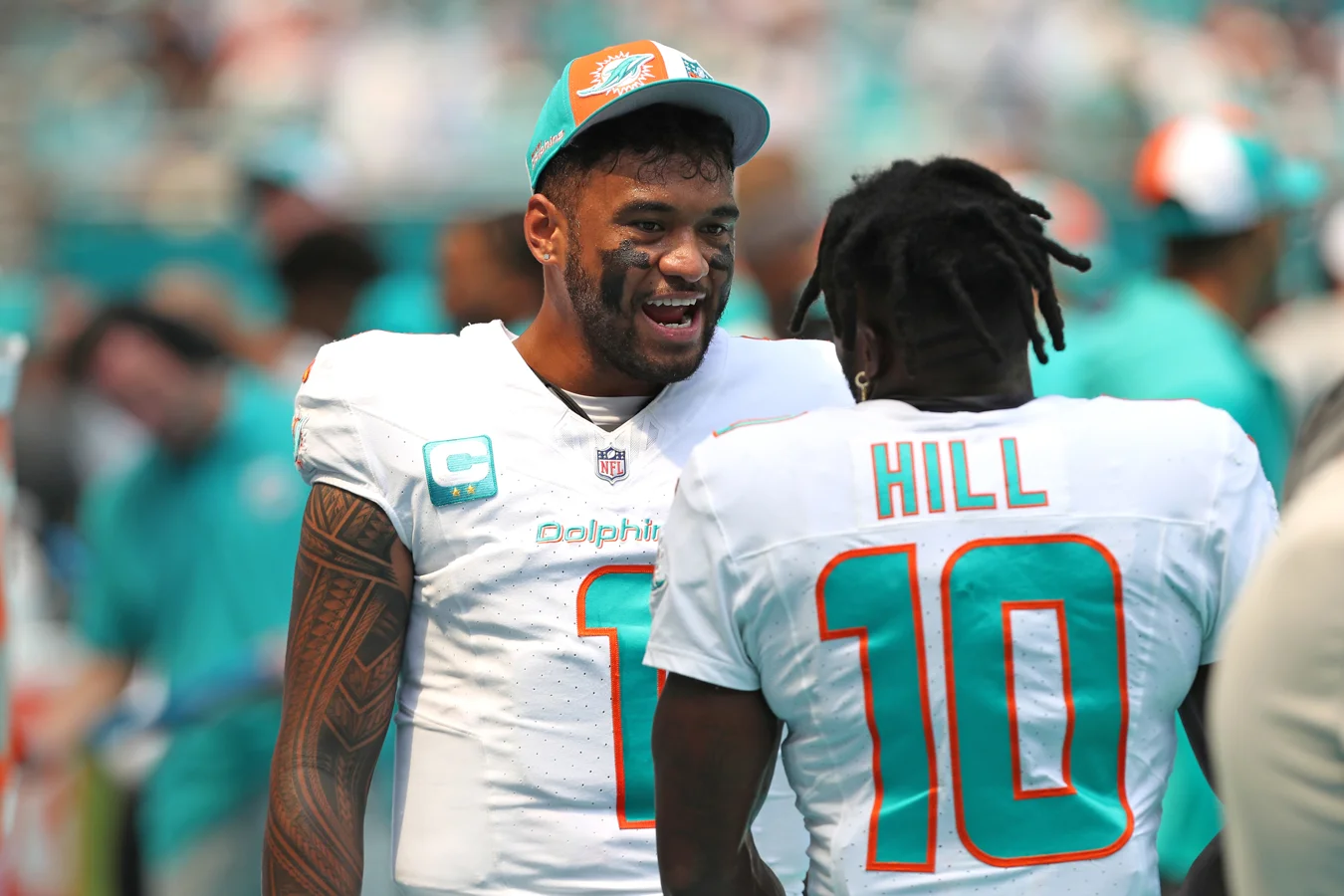

Tua Tagovailoa entered Miami Dolphins’ training camp amid high tension, following a public trade demand by his star receiver Tyreek Hill. Hill’s sudden announcement and subsequent attempt to retract it raised questions about team leadership and cohesion, intensifying scrutiny over how Tagovailoa would address the disruption. The unfolding conflict around the Tua Tagovailoa Tyreek Hill trade has spotlighted deeper issues within the squad’s dynamics.
Tagovailoa’s Assertive Approach to Handling the Trade Controversy
Known previously for a composed and cooperative demeanor during his college days at Alabama, Tagovailoa has evolved under the pressures of the NFL. Rather than retreating in the face of controversy, he responded with directness and confidence when addressing Hill’s public trade demand. Hill’s declaration,
“I’m opening the door. I’m out bro. It was great playing here, but at the end of the day I got to do what’s best for my career. I’m too much of a competitor to be just out there,”
clearly signaled his desire to leave Miami.
After Hill attempted to soften his stance, Tagovailoa made it clear that smooth apologies are insufficient for such serious matters. In a pointed response, Tagovailoa stated,
“When you say something like that you don’t just come back with ‘My Bad.’ You gotta work that relationship up. He’s working on himself”
—Tua Tagovailoa, Miami Dolphins quarterback
highlighting his unwillingness to overlook the damage caused by Hill’s actions.
Maintaining Authority and Team Unity Amid Uncertainty
Tagovailoa’s comments extended beyond a simple reprimand, as he emphasized accountability within the team structure. He acknowledged the widespread awareness of Hill’s trade demand, noting,
“I’m not the only one who heard that. You guys aren’t the only people who heard that. A lot of people who follow football, who follow the Miami Dolphins, who follow Tyreek, who are fans of his–everyone has seen that. So, when you say something like that, you don’t just come back from that with, ‘Hey, my bad.’ You’ve got to work that relationship up; you’ve got to build everything up again.”
—Tua Tagovailoa, Miami Dolphins quarterback
This approach signals Tagovailoa’s growing role as a decisive leader who demands trust and effort in rebuilding fractured bonds.
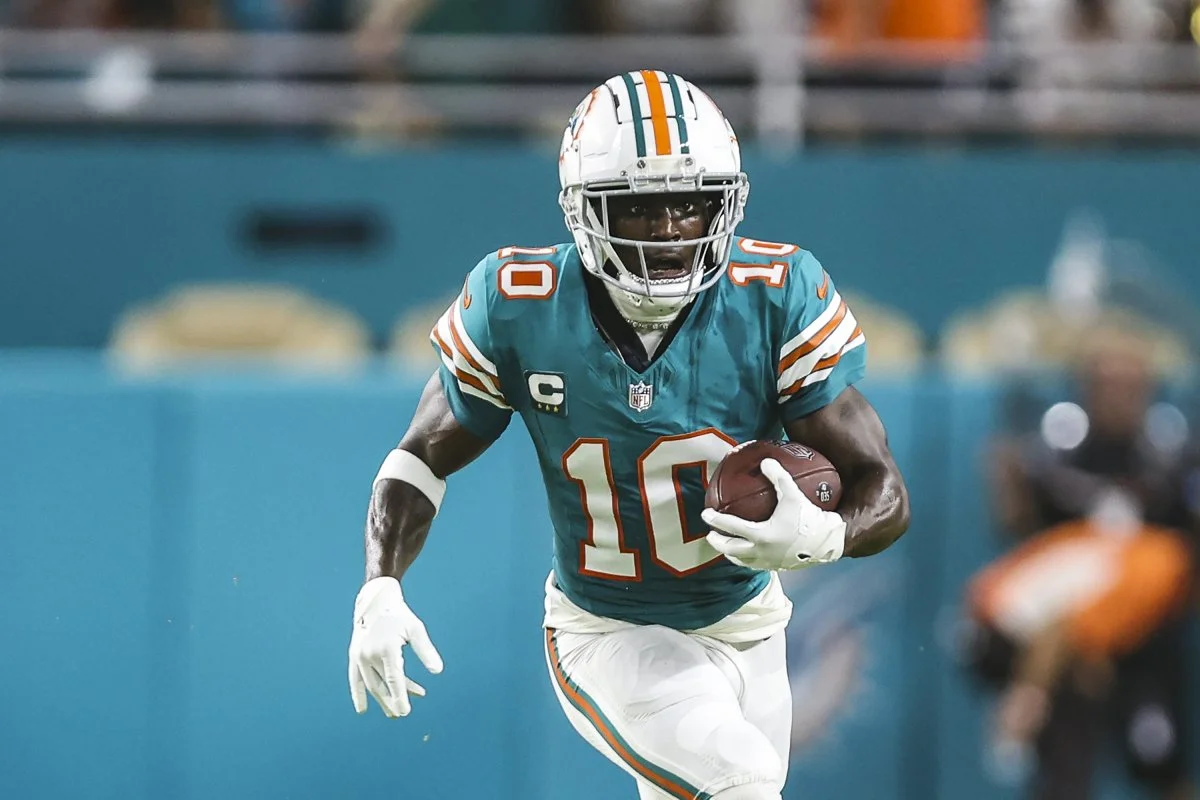
With Hill still on the roster despite his trade request, Tagovailoa’s stance makes it clear that any player expressing discontent must accept responsibility for the impact on the team. Hill’s contract situation, expiring after the next season, and prior difficulties in both Kansas City and Miami add layers of complexity to the situation. Tagovailoa’s firm leadership suggests he will not allow distractions or half-hearted commitments to undermine the Dolphins’ goals.
Implications for the Miami Dolphins’ Future Leadership and Team Dynamics
This conflict marks a definitive moment in the Miami Dolphins’ internal power dynamics, with Tagovailoa establishing himself as the primary voice of authority. Unlike previous times when other positions or individuals might have dominated locker room conversations, Tagovailoa is now the filter for all team issues. Hill’s move to publicly demand a trade, then attempting to downplay it, has undercut his standing and may affect his future with the team.
The development raises uncertainty about Hill’s role moving forward, while affirming Tagovailoa’s commitment to fostering a culture of responsibility and clear communication. As the Dolphins prepare for the upcoming season, the quarterback’s vocal leadership and insistence on accountability could prove key to navigating internal tensions and achieving team cohesion under pressure.