
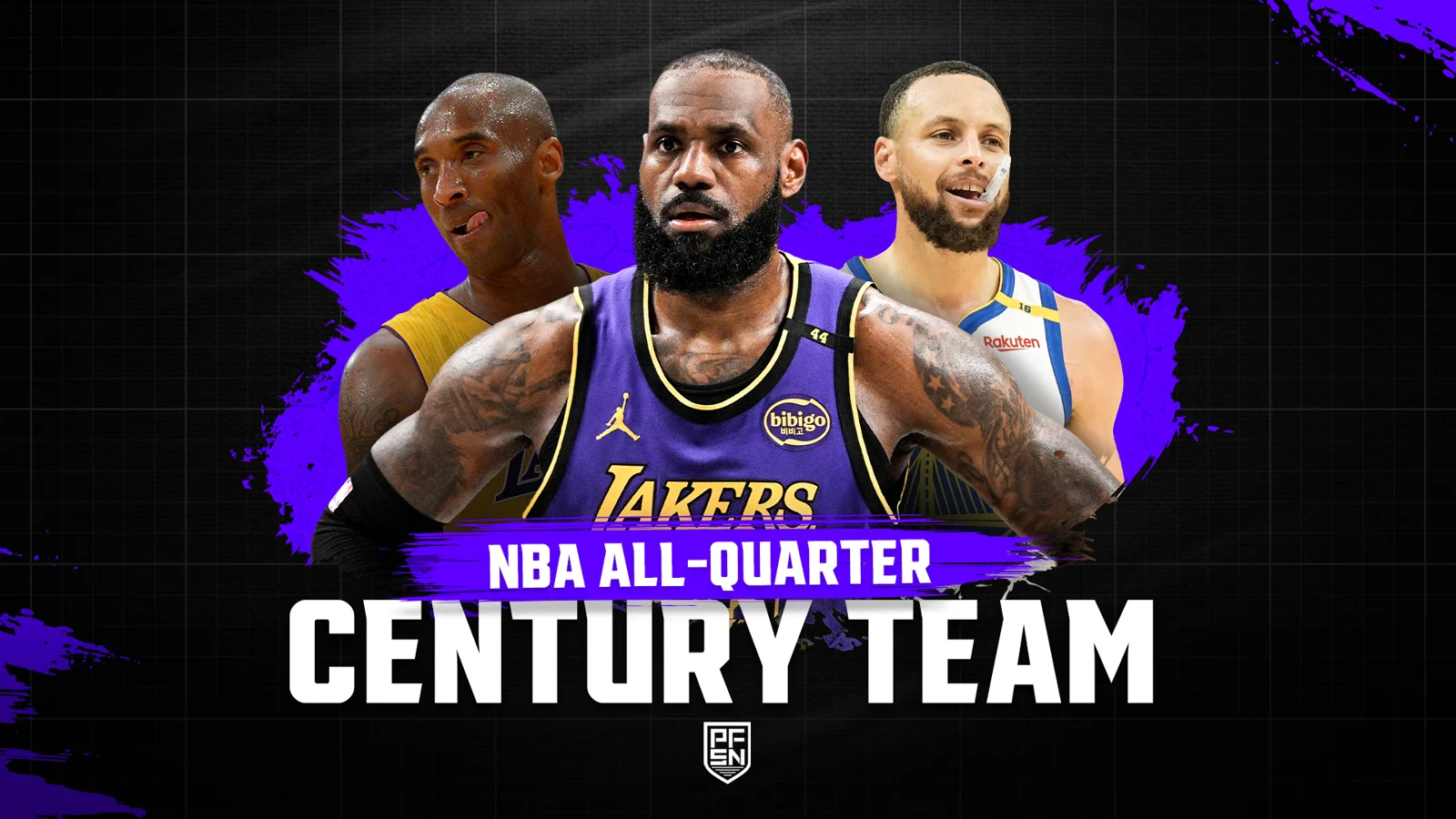

The NBA has seen incredible growth since 2000, highlighted by generational talents who have transformed the sport. LeBron James NBA All-Quarter Century honors players who have defined the game over the past 25 years by performing at an elite level and leaving a lasting legacy.
In building this All-Quarter Century team, PFSN recognizes the stars whose careers epitomize excellence, innovation, and competitive spirit. This list showcases athletes who have shaped basketball’s evolution in style, skill, and influence.
Top First-Team Selections Representing NBA Excellence
The first team of the NBA All-Quarter Century squad features iconic players who revolutionized their positions and dominated the court through skill, leadership, and sustained success.
Stephen Curry, the Golden State Warriors’ sharpshooter, has redefined basketball offense with his legendary three-point shooting and court spacing. His remarkable shooting efficiency and volume have influenced how the game is played worldwide. Curry boasts four NBA championships, two MVP awards, a Finals MVP, and 11 All-NBA selections, securing his place as the greatest shooter in league history. While his impact is strongest offensively, his influence on basketball tactics remains unmatched.
Kobe Bryant remains one of the fiercest competitors in NBA history. With five titles, two Finals MVP honors, and career averages including 25 points, 5.2 rebounds, and nearly 5 assists per game, Bryant was both an offensive maestro and defensive stalwart. His “Mamba Mentality” became a philosophy that continues to inspire players and fans alike, symbolizing relentless self-improvement and dedication. The league paid respect to his legacy by naming the All-Star MVP award in his honor, reflecting his profound impact comparable to Michael Jordan.
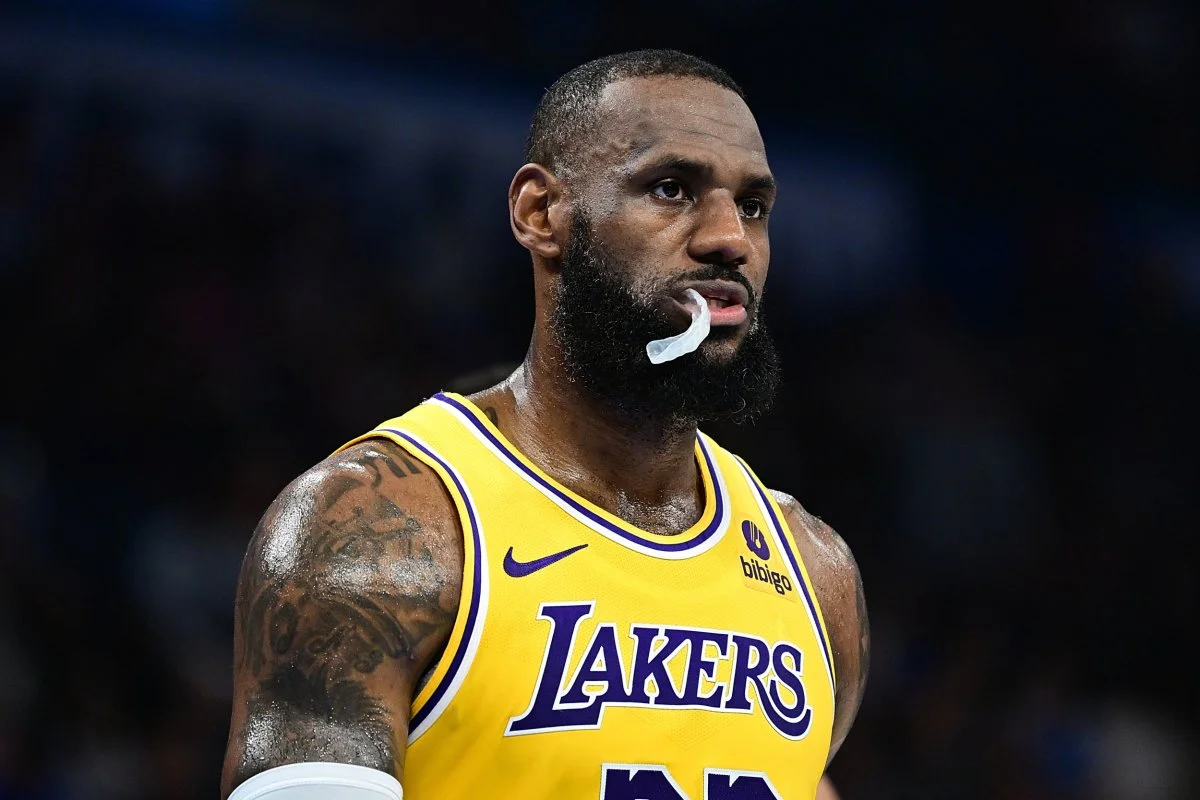
LeBron James, hailed from the moment he entered the league as “The Chosen One,” has continually lived up to monumental expectations. Now in his 22nd season at age 40, James averages 24.4 points, 8.2 assists, and 7.8 rebounds, accumulating the most all-time career points with 42,184 and ranking highly in assists and triple-doubles. His combination of size, skill, and basketball IQ allows him to excel offensively and defensively, while making clutch playoff performances and adapting through changing eras. Remarkably, LeBron is playing alongside his son Bronny, underscoring his unprecedented longevity and influence.
Tim Duncan, the San Antonio Spurs’ anchor for two decades, excelled through quiet consistency rather than flashiness. He helped lead the Spurs to five NBA championships and earned two MVPs and three Finals MVP awards. Duncan’s offensive game was based on efficiency, marked by his signature bank shot and precise footwork. Defensively, he was dominant and reshaped the paint, ranking among the best for defensive win shares and defensive rating. His blend of team leadership, fundamentals, and winning pedigree solidifies him as an all-time great.
Shaquille O’Neal was an overwhelming physical force and one of the most dominant centers ever. Known for his strength and agility, Shaq transformed the game around the paint while earning four NBA championships, the 1999-2000 MVP, and three consecutive Finals MVPs. His powerful presence commanded defensive strategies solely focused on stopping him, yet opponents often failed. Despite a career free throw percentage below 53%, his performance and larger-than-life personality made him a cultural icon and must-see nightly spectacle.
Second Team Highlights: Versatile Stars Who Defined the Modern Game
The second team includes players who combined elite skills and leadership to influence basketball’s modern era, each leaving a distinctive mark.
Allen Iverson, standing just six feet tall, brought unmatched intensity and skill to a league defined by bigger players. His fearless scoring, offensive creativity, and cultural impact redefined guard play. Iverson’s career averaging 26.7 points, 6.2 assists, and 2.2 steals, coupled with a remarkable 2000-01 MVP season and a Finals appearance, establish him as an electrifying presence who changed basketball culture on and off the court.
Dwyane Wade ranks among the best shooting guards ever, offering a blend of scoring, defense, and playmaking that powered multiple Miami Heat titles. Wade’s 2006 NBA Finals performance, earning him Finals MVP with 34.7 points per game, remains iconic. Scoring champion in 2008-09 and a 13-time All-Star, Wade provided versatility and leadership, often taking a secondary role to support the Heat’s Big Three successfully.
Kevin Durant combined guard-like skill with forward size, crafting one of the most lethal offensive arsenals in history. Durant’s multiple 50-40-90 seasons and four scoring titles highlight his scoring efficiency and volume. He earned an MVP with Oklahoma City and two Finals MVPs with Golden State, excelling as both scorer and defender. Internationally, Durant is unmatched with four Olympic gold medals, solidifying his presence among basketball’s greatest scorers.
Kevin Garnett’s career blended defensive prowess and multifaceted skills, initially transforming the Timberwolves and later ascending to superstardom with Boston. Garnett’s 2004 MVP season and 2008 championship, alongside Defensive Player of the Year honors, showcase his enduring impact. His extensive All-Star, All-NBA, and All-Defensive selections complement his impressive rebounding and scoring totals, marking him as one of the era’s greatest two-way players.
Nikola Jokic has reimagined the center position with an extraordinary skill set, excelling as a passer, scorer, and rebounder. The Denver Nuggets star earned three MVP awards before age 30 and led his team to an NBA title in 2023, winning Finals MVP. Jokic’s unique playmaking for a big man and advanced metrics place him among basketball immortals, with his triple-double seasons and clutch performances highlighting his all-around excellence.
Third Team: Elite Playmakers, Scorers, and Two-Way Talents Shaping the League
This group features point guards, forwards, and centers whose innovative styles and contributions helped shape basketball’s recent decades.
Chris Paul, known as the “Point God,” is the consummate floor general whose mastery of pick-and-roll and midrange game transformed teams. Since 2005, Paul’s leadership turned teams like the Los Angeles Clippers into contenders during the “Lob City” era, defined by his exceptional passing and defense. With five assist titles and six steals titles and over 12,000 career assists, his impact remains profound despite missing a championship.
James Harden’s offensive evolution from Sixth Man to franchise centerpiece featured prolific scoring and savvy playmaking. Harden’s peak 2018-19 season with 36.1 points per game was one of the greatest scoring campaigns ever. As the only player to lead the league in both scoring and assists multiple times, Harden revolutionized isolation scoring with his step-back three, shaping offensive strategies across the NBA.
Kawhi Leonard stands out as a two-way force and clutch playoff performer. A two-time Finals MVP and Defensive Player of the Year twice, Leonard led the Toronto Raptors to the franchise’s first NBA title with a memorable buzzer-beater in the conference finals. Despite injuries limiting his availability, Leonard’s combination of elite defense and efficient scoring make him one of the most impactful wings of his generation.
Giannis Antetokounmpo’s journey from an unknown overseas prospect to a dominant two-time MVP and NBA champion embodies perseverance and growth. Known as the “Greek Freak,” Giannis’s length, motor, and versatility culminated in a 50-point performance to break Milwaukee’s 50-year championship drought. His all-around game continues to evolve, making him a perennial superstar and one of the most influential players today.
Dirk Nowitzki revolutionized basketball with his shooting and mobility as a seven-foot player, expanding the role of big men beyond the paint. Spending all 21 seasons with the Dallas Mavericks, Dirk’s career scoring total of 31,560 ranks sixth all-time. His historic 2011 NBA championship run over a star-studded Miami Heat team altered the league’s offensive strategies and inspired a generation of international players. His iconic one-legged fadeaway is immortalized in Dallas, symbolizing his transformative impact on the sport.
NBA Legends Who Just Missed the All-Quarter Century Selection
Several legendary players narrowly missed this prestigious team, including guards Steve Nash and Jason Kidd, along with center Dwight Howard. Each contributed greatly to the league, leaving behind noteworthy careers that shaped basketball’s recent decades.
Enduring Legacy and Future Implications for NBA’s Greatest Stars
The PFSN NBA All-Quarter Century team publicly celebrates a generation of players whose skill, determination, and character pushed basketball to new heights. Featuring athletes like LeBron James and Kobe Bryant, whose influence transcends statistics, this collection highlights how evolving styles—from Curry’s three-point revolution to Jokic’s creative passing—keep shaping the game’s future.
As these players continue to inspire young talent worldwide and redefine positional roles, basketball’s landscape will keep adapting to the innovations they’ve introduced. For fans and analysts alike, debating and honoring these stars adds to the rich storytelling spanning this dynamic era of NBA history.
The recognition of such extraordinary careers also emphasizes the sport’s global reach and increasing competitiveness, signaling a hopeful and exciting trajectory ahead for both current and future generations of basketball talent.
Our Reader’s Queries
Q. Does LeBron James sleep 12 hours?
A. Professional athletes use much more energy than regular people, so they usually sleep more than the suggested 8 hours. LeBron James sleeps about 12 hours each night. This is remarkable, especially since traveling for games can make it difficult to get enough rest.