
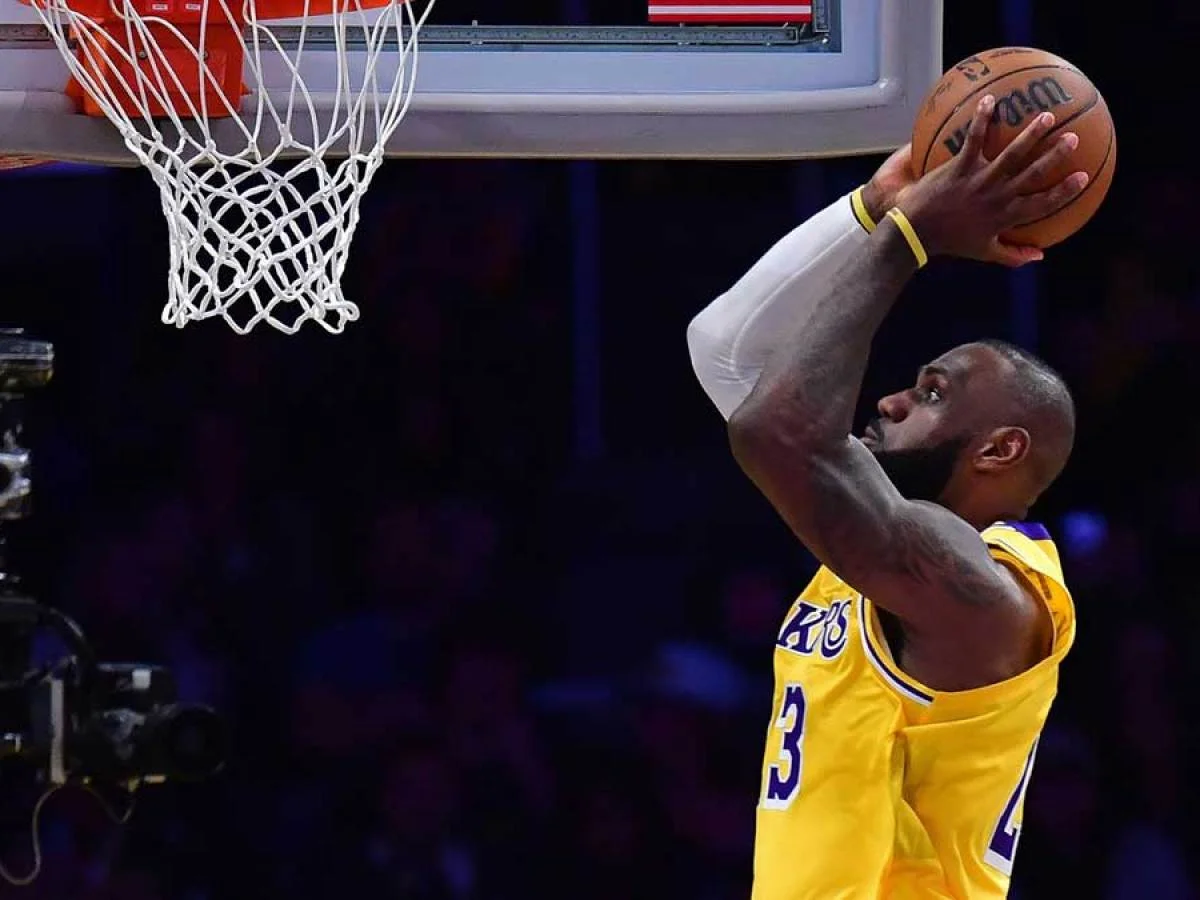

LeBron James has decided to remain a member of the Los Angeles Lakers for the upcoming NBA season by opting into his contract. This puts to rest widespread speculation about a potential trade, despite earlier rumors suggesting James might seek a move elsewhere.
Although anything remains possible in professional sports, there have been no official trade requests from James, and no deals have come close to fruition. The Lakers, while planning for the future, value James’s presence as vital to their competitiveness this year.
Lakers Executive Expresses Satisfaction Over James’s Decision
A Lakers executive spoke with Spotrac’s Keith Smith about James’s contract situation, emphasizing that the player’s option does not give complete control to the athlete alone. The executive said,
“Whenever you sign a player to a deal with an option, you willing give them the control to initially guide the situation,”
and continued,
“But this notion that a player option gives the player all of the power, is pretty silly. If they opt out, the team is then a partner in re-signing them or not. If they opt in, then the team is a partner in whatever happens next too. For LeBron, he had a player option and made his decision to opt in. We’re just happy that he’s still a Laker.”
Trade Speculation Around LeBron James Has Quieted
During the offseason, rumors about a potential LeBron James trade dominated discussions but have since diminished significantly. NBA insider Zach Lowe shared on the Bill Simmons Podcast that the consensus among teams now is that James will remain with the Lakers.
Lowe commented,
“I’ve heard it’s kind of gotten quiet now after it was the talk of Summer League. There doesn’t seem to be like a clean solution either way. Everyone’s saying we should expect them to be on the Lakers. That’s my expectation. But I agree with you. Like on paper there’s a [Miami] Heat trade that is not crazy for either team.”
Though some considered a deal with the Miami Heat feasible, current developments suggest no immediate moves are forthcoming.
LeBron’s Intentions Signal Commitment to the Lakers
James’s choice to opt in to his contract indicates a strong preference to continue with the Lakers rather than seek opportunities elsewhere. Opting out would have made him a free agent but also complicated potential trades, especially given his $52 million salary and age approaching 40.
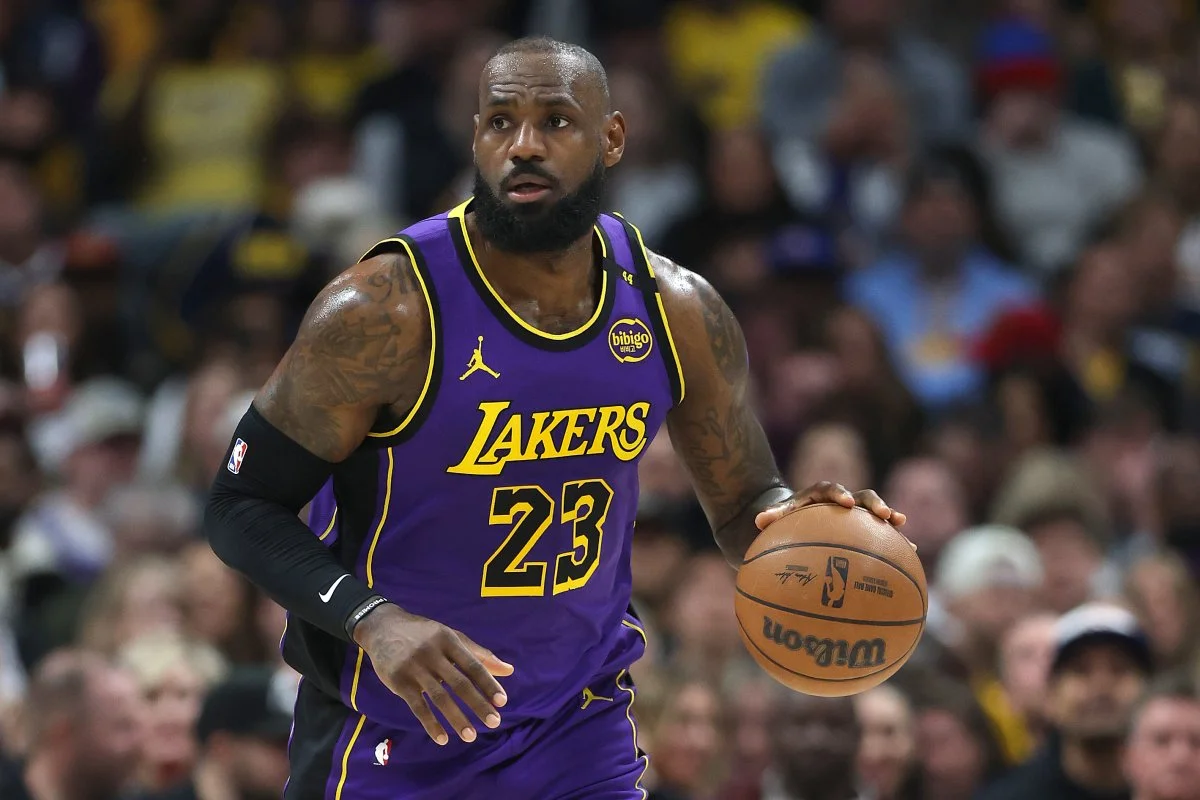
Contrary to earlier reports suggesting dissatisfaction, NBA analyst Brian Windhorst believes James is inclined to stay in Los Angeles. Windhorst explained changes occurring within the Lakers organization and James’s situation, stating,
“A lot has changed for LBJ in the last year,”
and added,
“A year ago, the Lakers were offering him a multi-year deal with a player option, drafted and guaranteed Bronny a long-term deal, and LBJ was offering to give up money to work with free agents. Now Luka is the centerpiece of the franchise, and the transition has shocked and strained everyone, and they’re all dealing with the new reality. That’s playing out partially in real time and in some public. At the end of the day, I think LBJ wants to be a Laker.”
Impact of James Staying and Outlook for Lakers’ Season
Retaining LeBron James not only stabilizes the Lakers roster but also boosts their chances of competing effectively this season. His veteran leadership and on-court abilities remain invaluable as the team adjusts to new dynamics involving younger talent like Luka. The Lakers organization appears committed to leveraging James’s influence while navigating the transition period experienced by players and staff alike.
With trade talk largely subsiding, the focus shifts towards how the Lakers will integrate their roster and pursue success in the coming months, with James expected to play a central role in their plans.
Our Reader’s Queries
Q. Does LeBron James sleep 12 hours?
A. Professional athletes use much more energy than the average person, so they usually sleep more than the standard 8 hours. LeBron James, for example, averages 12 hours of sleep each night. This amount is noteworthy because elite athletes frequently travel for competitions, making it challenging to get enough rest.