
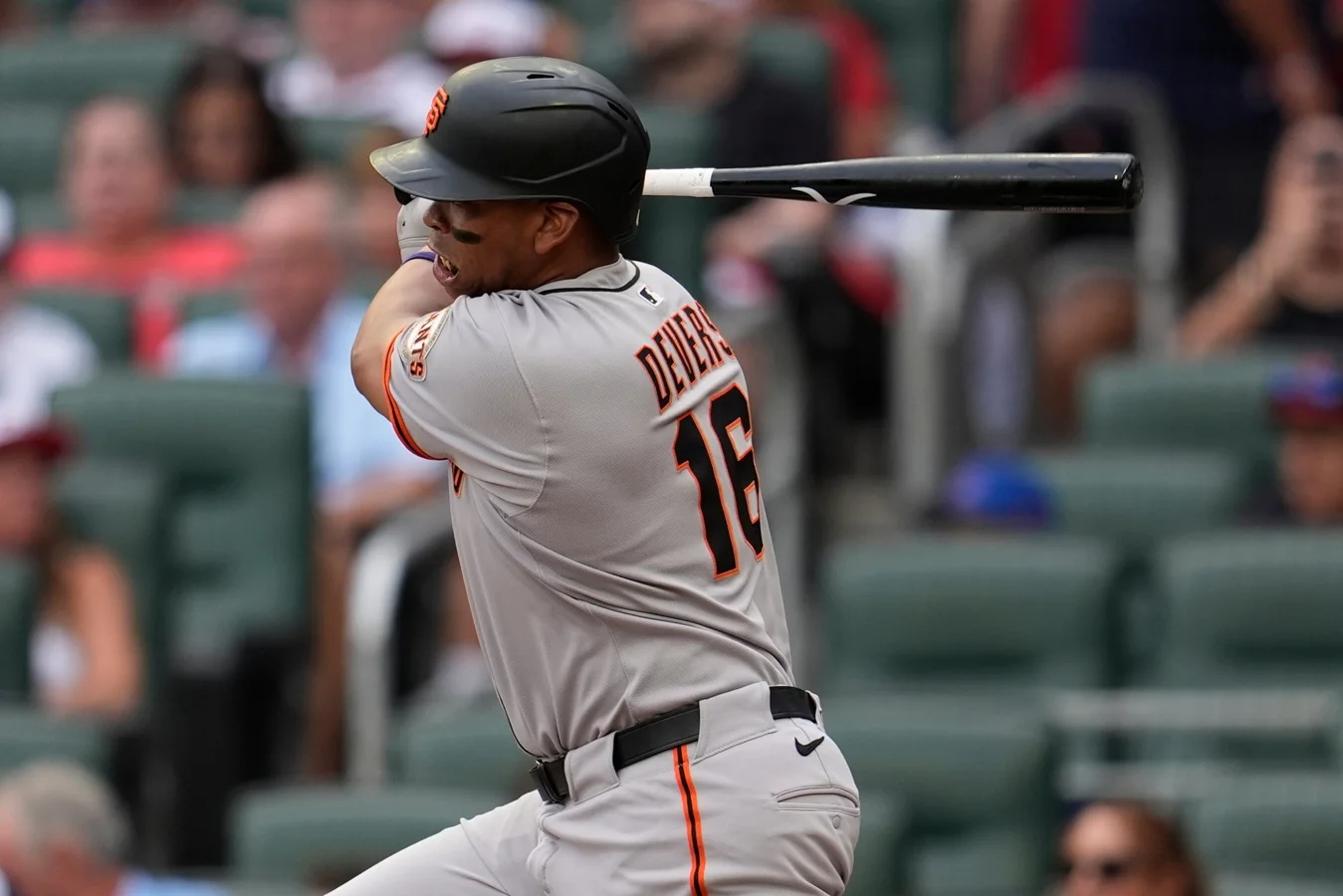

The Boston Red Sox have seen a significant shift in their trajectory following the surprising trade of their star hitter, Rafael Devers, in June. After an initial slump with a 3-7 record immediately after the trade, the team sparked a turnaround in July, emerging as serious contenders in the American League East. This article evaluates the Rafael Devers trade impact Boston and outlines three strategic moves that could further strengthen the team’s postseason chances.
Boston’s Performance Bounce-Back After Trading Devers
Since the start of the current month, the Red Sox have improved considerably, posting a 12-5 record highlighted by a recent extra-innings victory. This progress has brought their overall record to 55-49 alongside a +54 run differential. Boston remains competitive in the AL East, trailing the division-leading Toronto Blue Jays and tied with the Seattle Mariners for the second wild-card spot. Current betting odds from Caesars place their playoff chances at +120, marking a positive sign in what has been a gradual rebuilding phase for the team in Beantown.
Boston’s midseason resurgence signals confidence as they enter the July 31 trade deadline, positioning themselves as proactive buyers aiming to address roster gaps. These targeted acquisitions could enhance their depth and increase the potential for a strong postseason run.
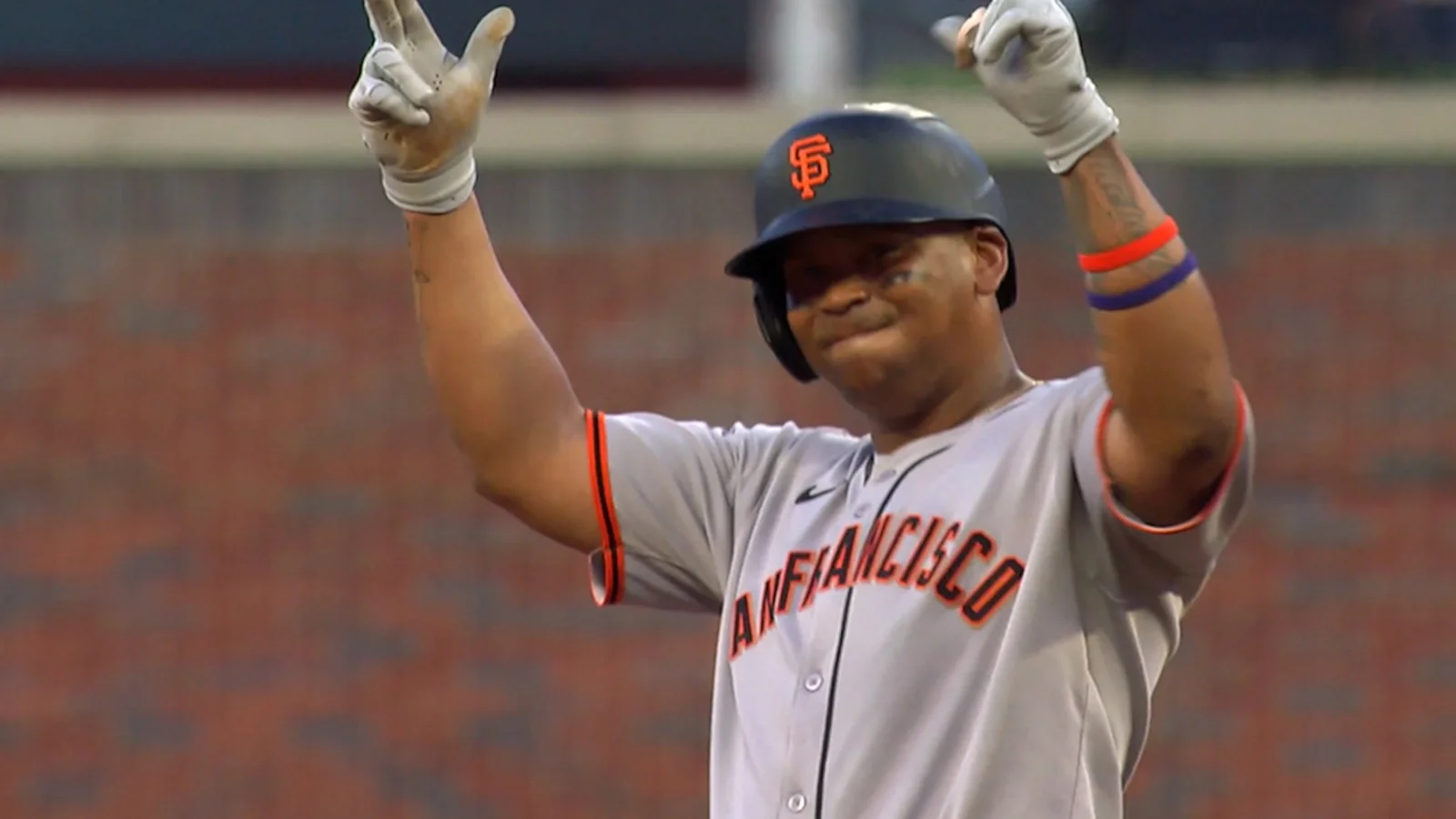
Why Adding a Left-Handed First Baseman like Josh Naylor Makes Sense
One notable weakness for the Red Sox this season has been the first base position, where combined contributors have recorded underwhelming offensive stats, including a sub-.700 OPS. The injury to Triston Casas, sidelined for the season due to a knee injury, has deepened this need. To remedy this, acquiring a left-handed bat to complement right-handed Romy Gonzalez in a platoon setup is crucial.
Josh Naylor of the Arizona Diamondbacks fits this profile well. Although it remains uncertain if Arizona will sell before the deadline, factors such as their placement in the National League wild-card race will influence their decision. If the Diamondbacks are open to trading, Boston should pursue Naylor, who boasts a .293/.361/.449 slash line this season with 11 home runs and 19 doubles in 92 games. The 28-year-old lefty offers an OPS+ of 144 against right-handed pitchers and is in a contract year, presenting a rental opportunity at a potentially lower cost. Naylor’s acquisition would boost Boston’s batting order stability and reduce the instances of a first baseman batting ninth, addressing a pressing offensive need until Casas returns in 2026.
Strengthening the Starting Rotation with Mitch Keller
The Red Sox’s starting rotation has been middling this year, ranked 18th in Major League Baseball based on ERA and FIP, indicating only average effectiveness in run prevention. While Garrett Crochet has proven himself a frontline ace, Boston’s rotation lacks depth due to injuries and inconsistent performances, evidenced by Walker Buehler’s likely exit from the rotation. Moreover, the team needs a playoff-ready starter to back up Crochet, but the trade market for starting pitchers appears limited and competitive.
Mitch Keller from the Pittsburgh Pirates presents a promising option despite not being a headline name. Keller has delivered a career-best season, posting a 121 ERA+ and a 3.42 FIP in 21 starts. Notably durable, he has remained healthy since a COVID-related absence in 2021. Signed through 2028 at reasonable salaries and under 30 years old, Keller offers stability and potential for long-term contribution in Boston.
Keller’s pitching style, characterized by a deep repertoire with strong spin and movement, could thrive under Boston’s advanced pitching development system. The Red Sox organization has recently improved its success in coaching pitchers to maximize their skills, making Keller a sensible fit who could elevate the rotation ahead of the postseason push.
Creating Opportunity by Moving Masataka Yoshida
Another critical roster challenge is the logjam in the outfield, particularly involving Masataka Yoshida. Removing Yoshida would clear space for Boston’s emerging young talents such as Roman Anthony, Marcelo Mayer, Wilyer Abreu, Ceddanne Rafaela, and eventually Kristian Campbell. Prioritizing their development will support Boston’s longer-term success and also improve lineup consistency in the near term.
At 32 years old, Yoshida offers value as a designated hitter and occasional left fielder, with a career OPS+ of 110. However, his $18.6 million annual salary remaining for this year and the next two seasons makes his contract a significant hurdle. Boston is unlikely to include prospects in a trade for Yoshida, making it necessary to subsidize part of his salary to find a trade partner.
Potential suitors include the San Diego Padres, Texas Rangers, Milwaukee Brewers, Cleveland Guardians, and San Francisco Giants, teams that might benefit from adding a versatile hitter like Yoshida. Engaging these clubs in discussions with some financial assistance could facilitate his departure and streamline Boston’s roster construction.
Outlook for Boston’s Playoff Push and Future Prospects
The Red Sox’s recent winning streak has rekindled hope for making the playoffs, a goal they have not achieved since 2021. The Rafael Devers trade impact Boston has been notable not only for the initial disruption but for the resulting roster recalibration that has accelerated the team’s competitiveness. With the trade deadline approaching, strategic acquisitions—such as a left-handed first baseman, a reliable starting pitcher, and shedding salary burdens—could solidify Boston’s position in the wild-card hunt and prepare them for a deep postseason run.
These moves will not only influence immediate success but also support the longer-term rebuild, fostering a balance between developing young players and adding experienced contributors. As chief baseball officer Craig Breslow navigates the trade market, the Red Sox’s ability to act decisively will be pivotal in determining how far this surging team can go in 2024.