
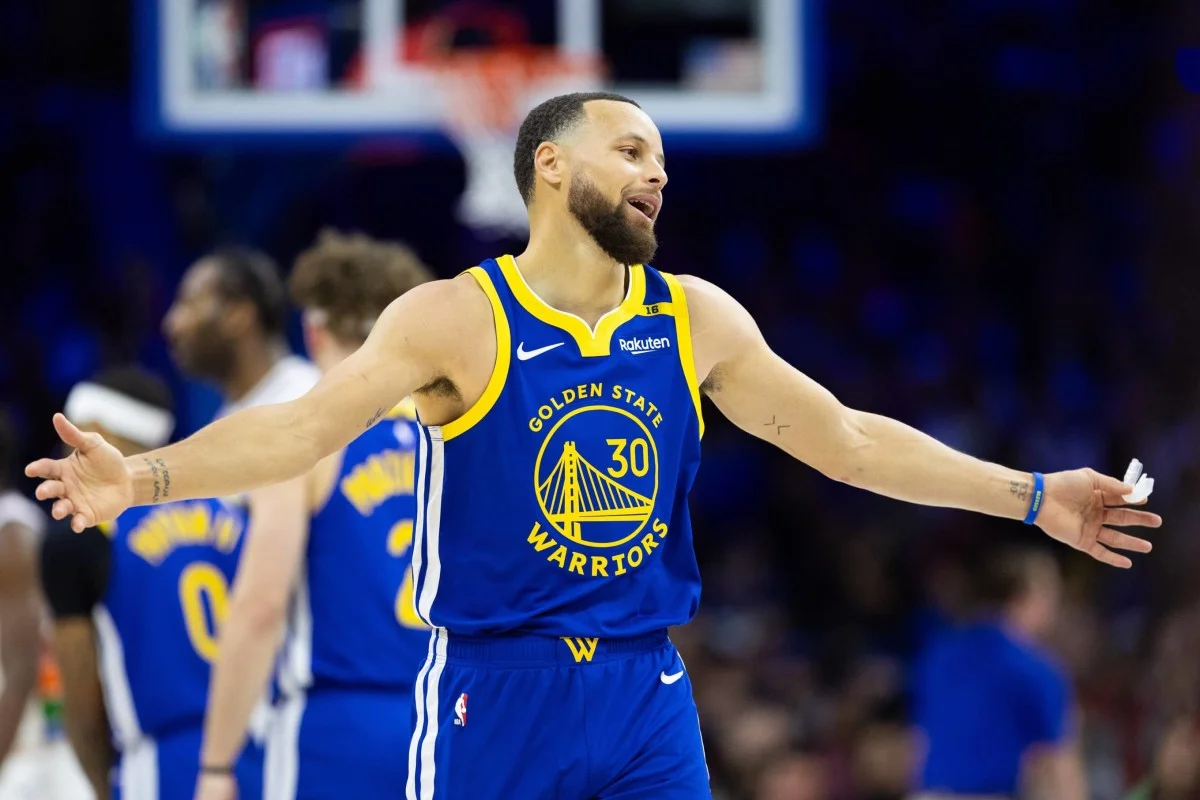

Stephen Curry, the Golden State Warriors star valued at $240 million, recently discussed the ongoing issues surrounding NBA player compensation during an interview with Speedy Morman of Complex Sports. Speaking candidly about contracts and earnings in the league, Curry highlighted a major flaw in how NBA players are currently compensated compared to the overall growth of team and league revenue. This conversation centered on why many players, despite their high salaries, remain undercompensated in terms of equity and long-term financial participation.
When asked whether NBA players are underpaid, Curry provided a pointed response rooted in the structure of the NBA’s collective bargaining agreement (CBA). He explained that, although the league’s financial numbers have grown exponentially, players remain limited to short-term earnings without access to ownership or equity stakes in their teams.
“I think because the way the CBA is structured right now, we can’t participate in equity. And that’s a big deal because, you know, it is a partnership with ownership. It’s a partnership with the league, and we’re on the short term of that revenue, right? Like those numbers sound crazy, but what the league is doing from whatever era you want to compare it to, to now is probably, you know, 10 times that.”
—Stephen Curry, NBA superstar
He further emphasized that this lack of equity participation is a key reason why players are, in his view, underpaid despite their large salaries.
“So like the idea that we can’t, you know, participate in equity while we’re playing is a part of why I would say yes, we are underpaid because you want to be able to participate in that rise.”
—Stephen Curry, NBA superstar
Curry acknowledged the privilege NBA players have in earning lucrative salaries for playing basketball, recognizing the entertainment value and demand of the sport. Still, he stressed the importance of changing league rules so players can share in the increasing valuations of teams and the league itself.
“I know we’re blessed to, you know, be in a position where we’re playing basketball for a living and these are the type of checks that people are earning, and I think it’s all deserved because it’s a special commodity. It’s a special industry that probably won’t go anywhere because that entertainment value is there.”
—Stephen Curry, NBA superstar
“But yeah, I feel like hopefully sooner than later those rules change a little bit so that players can participate more in the upside of team equity, the league valuations, and all that type of stuff. Just because, I think we deserve it.”
—Stephen Curry, NBA superstar
Stephen Curry’s Vision for Active Player Ownership and Future Generations
Beyond the current challenges, Curry revealed ambitions that extend well beyond his playing days. Inspired by Michael Jordan’s precedent, Curry aspires to become the first active NBA player to own a stake in a team. He hopes that the league will eventually allow athletes to invest in the franchises they help build, aligning their financial interests more closely with the league’s booming valuations.
Curry’s perspective is also influenced by recent market developments, such as the Los Angeles Lakers’ sale for $10 billion, a sum far exceeding the earnings players receive today. This sharp contrast underscores the gap between player income and the value of the franchises they compete for, motivating Curry to advocate for changes that could increase players’ financial participation in team equity.
Disparities Between NBA and WNBA Earnings Highlight Differences in Professional Basketball
The discussion on athlete compensation also brings to light significant disparities between the NBA and the WNBA. While NBA players aim to reach salaries and equity stakes amounting to billions, many WNBA players have yet to secure contracts worth even $1 million per year. This stark difference demonstrates how pursuing a professional basketball career is considerably more lucrative for men than for women in today’s sports landscape. Though Curry’s ambitions focus on elevating the men’s game, the divide in pay and opportunity remains a widely recognized issue.
Our Reader’s Queries
Q. Why does Stephen Curry wear 4?
A. FIBA, which manages basketball in the Olympics, once limited player numbers to 4-15 to simplify things for officials. Although FIBA removed this rule in 2014, Team USA continues to follow the tradition during international events like the Paris Olympics. This is why Curry, who wore the No.