
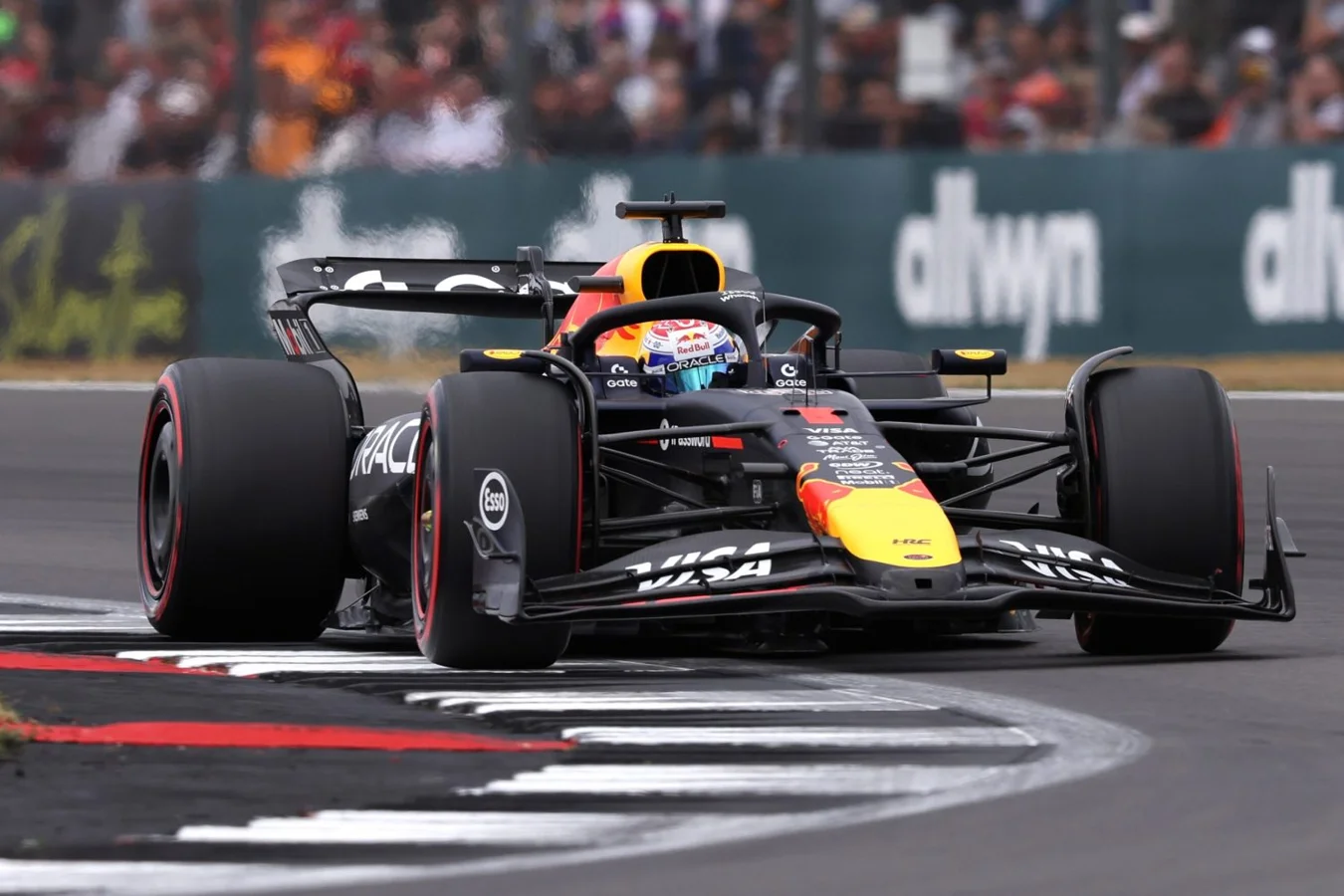

Max Verstappen has downplayed concerns that Christian Horner’s recent exit as Red Bull Racing’s team principal will influence his long-term commitment to the Formula 1 team. Following Horner’s departure shortly after the British Grand Prix, Verstappen emphasized that his focus remains on performance rather than management changes.
Christian Horner had been at the helm of Red Bull for 20 years, guiding the team to eight drivers‘ championships and six constructors‘ titles. Despite this success, a recent decline in results and expanding internal conflicts culminated in Horner losing shareholder support during a pivotal period for the team. Red Bull is now preparing for the 2026 introduction of its power unit, while Verstappen’s contract situation continues to spark speculation.
Context of Horner’s Departure Amid Changing Team Dynamics
Horner’s removal came amid a power struggle and a downturn in Red Bull’s competitive edge. The shareholders, ultimately responsible for the team’s direction, opted for a leadership change, appointing Laurent Mekies, previously Racing Bulls’ team boss, as the new CEO and team principal. Verstappen stated that the shareholders informed him about the decision a day before it became public, highlighting a transparent communication channel between management and key team members.
Verstappen explained his understanding of the decision:
“Management and the shareholders decided that they wanted to change and at the end of the day they run the team and I’m the driver, so whatever they decide it’s fully their right to do what they want, and that’s basically how it happened.”
This demonstrates Verstappen’s acceptance of the organizational shift without resistance or public objection.
Verstappen’s Take on Differing Opinions and Team Leadership
When reflecting on his relationship with Horner and the implications for the team, Verstappen acknowledged that disagreements are natural and healthy within any professional environment.
“No, it doesn’t really. I think people can have a difference of opinion here and then, and I actually expect that to happen because if everyone always agrees [then] there is a problem. You need to have difference of opinions,”
he said.
He added that such differences would not affect his personal decisions moving forward.
“I don’t think it will matter at all for my decision in the future, and the only thing that matters is that we work on the car and make it as fast as we can. The last one and a half years have not been what we want to be. Now we try and be more competitive this year a little bit, but for sure also with the new regulations.”
Verstappen Honors Horner’s Legacy but Looks Ahead
Despite Horner no longer being present during race weekends, Verstappen expressed gratitude for their relationship and the two decades of success Horner helped build.
“At the same time, you look back at those 20 years of Red Bull, I think we’ve had a lot of great years, great results. Now, naturally of course there are also years where it’s not going that well and I think the last one and a half years have not gone how we would have liked. And management decided they wanted to steer the ship in a different direction, probably. And then everyone else has to anyway agree to that and look forward.”
He continued,
“I’m excited for the team now moving forward because that’s what we have to do. Looking back doesn’t make sense. But at the same time, you do appreciate those 20 years. The relationship between myself and Christian, for example, that doesn’t change. Of course, he’s not here now during a race weekend, but he’s still like a second family to me.”
First Impressions of New Team Leader Laurent Mekies
Verstappen shared his early impressions of Mekies after several meetings in recent weeks, emphasizing a positive start in their working relationship.
“Of course, I’ve had a few meetings with him already. I cannot say right now within two weeks of not even action on track that suddenly everything is different or better, but we are trying to be better and it’s been good,”
Verstappen remarked.
He praised Mekies’ character and experience:
“He’s a very nice guy first of all, very clever guy. He’s been in different areas of the F1 paddock as well, and I think that can be helpful. He’s incredibly motivated and I like that. You can see the fire.”
Speculation on Verstappen’s Future Amid Contractual Options
Amid speculation about Verstappen’s potential moves, especially given the talks between his representatives and Mercedes chief Toto Wolff, Verstappen remained focused yet evasive regarding any imminent change.
“There’s also a possibility I don’t wake up tomorrow, so that there is no driving at all,”
he said, before adding,
“Life is unpredictable, but in general I’m very happy where I’m at and I hope – and it was still the target that we set out when we signed the new deal – that I would drive here until the end of my career.”
Verstappen holds several exit clauses in his contract that could enable an early departure before the agreement’s 2028 end date, but his current comments suggest a strong desire to remain with Red Bull, provided the team continues to deliver competitive cars.
The Road Ahead for Red Bull and Verstappen
As Red Bull gears up for significant changes, including its forthcoming in-house power unit for the 2026 season, the team faces an important transition phase. Verstappen’s emphasis on car performance over management shifts reflects a professional focus likely to influence Red Bull’s approach in the remaining seasons under current regulations and beyond.
The appointment of Laurent Mekies signals a fresh direction in leadership, while Verstappen’s commitment, though tested by external interest, remains intact as the team seeks to regain its dominant form. How these developments unfold will shape both Verstappen’s career trajectory and Red Bull’s standing in Formula 1’s evolving landscape.
Our Reader’s Queries
Q. Is number 13 banned in F1?
A. Yes, the number 13 is permitted. In 2014, when permanent numbers started, Pastor Maldonado used it. While some cultures see 13 as unlucky, Formula 1 drivers can choose their own numbers.
Q. Which F1 driver has ADHD?
A. Lewis Hamilton’s experiences with ADHD and dyslexia have influenced both his personal life and racing career. His journey offers a new perspective on success in Formula 1, highlighting the importance of acknowledging learning differences.
Q. Is 69 allowed in F1?
A. F1 drivers can pick a permanent racing number from 2 to 99, except for 17, to use throughout their careers.