
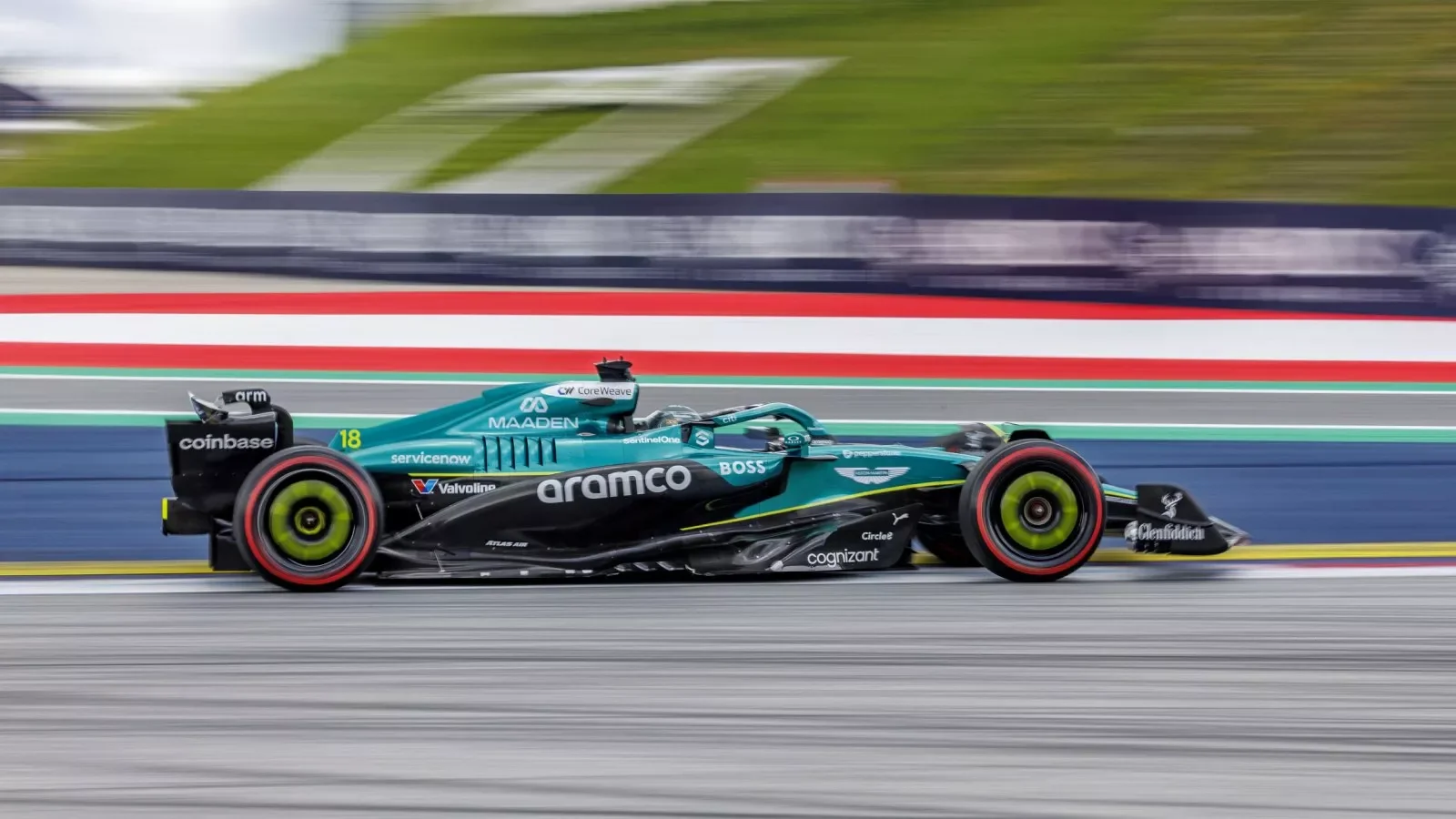

As the 2026 Formula 1 regulations approach, drivers have expressed increasing concerns about the radical changes to car design and energy management. These new rules, focused on a balanced 50:50 split between electrical and internal combustion power, have drawn skepticism regarding both performance and complexity ahead of their rollout in the coming seasons.
Key figures such as McLaren’s Oscar Piastri and Ferrari’s Charles Leclerc have publicly shared doubts about the proposed cars, highlighting worries that the innovations may compromise racing quality and add unnecessary technical complications.
Technical Challenges Underpinning New Car Designs and Powertrains
The 2026 regulations introduce a significant shift in Formula 1’s power units, aiming to increase the electrical output from the current 120 kilowatts to 350 kilowatts, while restricting energy storage and harvesting to a maximum of 8.5 megajoules per lap. This complex energy management system requires drivers to carefully balance electric power deployment within constrained limits, complicating race strategies.
One of the major issues raised is that the new cars, despite substantial redesigns, will not be much lighter than today’s models. The adoption of narrower chassis and wheels could lead to reduced grip and downforce, with estimated cornering speed losses reaching up to 30%. However, experts suggest engineering ingenuity may keep reductions closer to around 20%. These aerodynamic changes, combined with active drag-reduction systems, are expected to alter the cars’ behavior significantly.
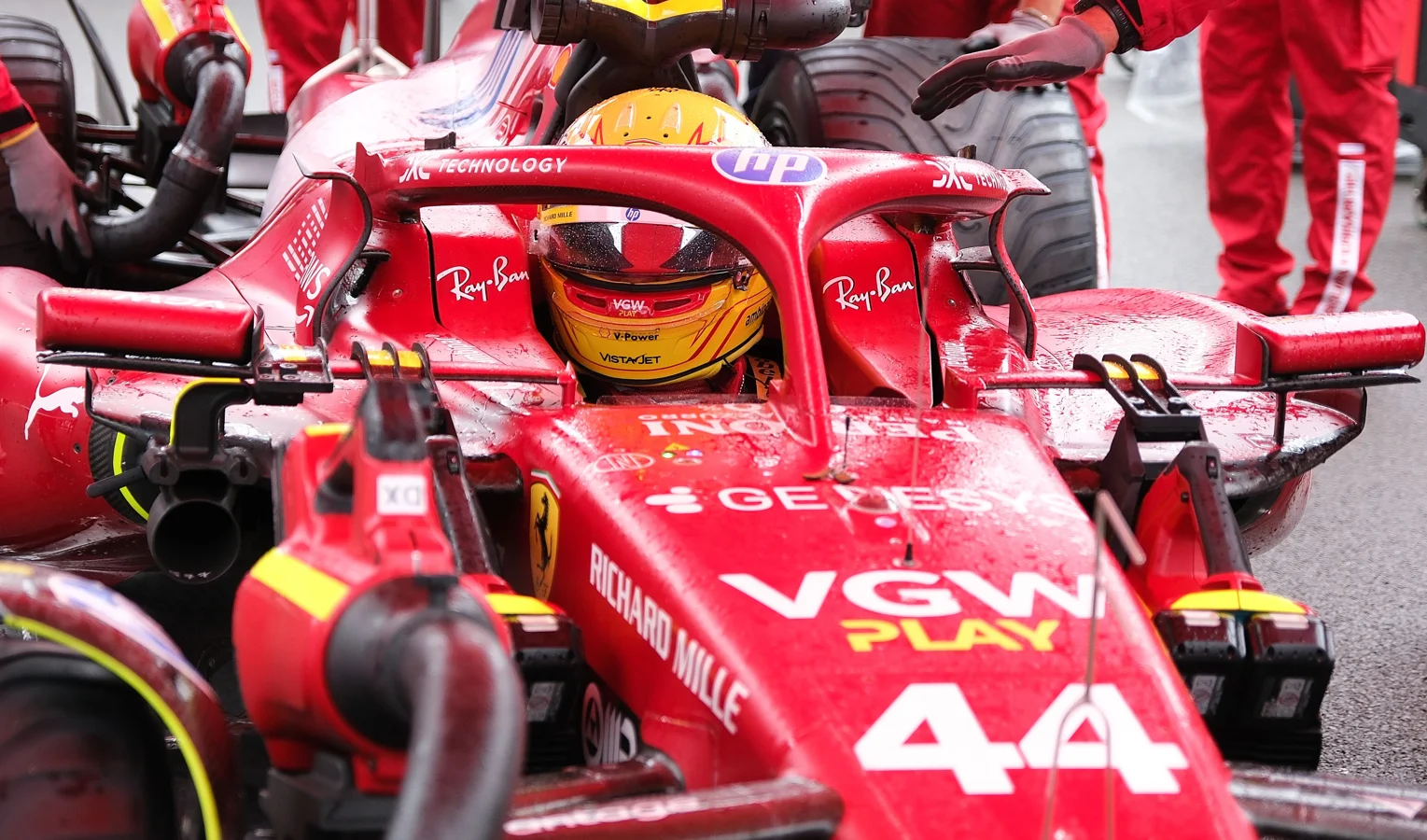
Additionally, the increased electrical power will demand drivers to manage various energy controls during each lap. Many worry that the need to adjust steering wheel settings multiple times per lap could distract from driving and detract from the sport’s excitement.
Driver Feedback and Reactions to the Proposed Rules
Concerns have not gone unnoticed by the FIA, which has responded with adjustments to the technical and sporting regulations. This includes introducing a ‘turn-down ramp rate’ to smoothly reduce power as battery charge depletes, aiming to avoid sudden performance drops on high-energy-demand tracks. Moreover, the fixed 8.5MJ harvesting cap has been replaced with a sliding scale that lowers limits to as little as 5MJ on venues where braking demand is low, improving both safety and spectacle.
Despite these adaptations, driver apprehension remains strong. Charles Leclerc described his first simulation experience with Ferrari’s 2026 car as “not enjoyable,” and Lance Stroll dismissed the concept as a “battery science project.” Leclerc acknowledged the need to unlearn years of racing instinct:
“As drivers, there will be a lot of things we’ll have to forget from whatever we’ve learned in our career, to start again from a blank page. And that’s a little bit strange because having done this sport since I’m four years old, to be having to erase some things of my muscle memory would be a little bit strange.” —Charles Leclerc
“But it’s part of the game. And in itself, it’s a challenge to try and reinvent the rules and find some performance in other things. So, yeah, I’m looking forward to the challenge, but it’s very different.” —Charles Leclerc
Oscar Piastri also shared nuanced criticism, emphasizing unnecessary complications in the rules:
“At the moment [in the 2026 regulations] there are some challenges that aren’t necessary and won’t add to the competition or the spectacle that I do think need to be changed.” —Oscar Piastri
“I think there’s going to be a lot of challenges that come with that, and a lot of them are going to be exciting and points of difference, and points where you can have an advantage or a disadvantage. But I think there are some things that need to be changed that don’t constitute a benefit for anybody.” —Oscar Piastri
Carlos Sainz offered a pragmatic outlook on adapting to the increased in-race energy management demands:
“I think as drivers, we’ll just adapt to whatever they give us,”
“We’ll just go as fast as we can. If we have to do six or seven switch changes through a lap, we’ll do them.” —Carlos Sainz
“And we’ll just become good at it like we always do.” —Carlos Sainz
FIA’s Perspective on Driver Concerns and Development Process
Nikolas Tombazis, FIA’s single-seater technical director, recognizes that initial driver dissatisfaction with early car concepts is a familiar phase during regulation transitions. Speaking to Autosport, Tombazis pointed out that drivers often form premature judgments when first confronted with unfamiliar performance characteristics:
“And they can jump to conclusions a bit early. Generally speaking, a driver will never step out of a car of a certain regulation cycle and into a new car with, say, less downforce, and say, ‘Well, I like it.’” —Nikolas Tombazis
Simulations suggest that although cornering speeds may drop due to reduced downforce and grip, narrower chassis and active aerodynamics could allow for higher top speeds on straights. Furthermore, the increased electric power boost is likely to enhance acceleration when exiting corners, resulting in a different performance profile rather than a simple slowdown.
Adapting to Evolving Technology Has Always Been Part of F1’s Heritage
The challenge of adjusting to new car technologies is a recurring theme in Formula 1’s history. Nearly 75 years ago, Giuseppe Farina won the first Drivers’ Championship piloting a front-engined vehicle with drum brakes, a wood-rimmed steering wheel, and no safety harness, illustrating how drastically the sport evolves over time.
Renault test driver Ferenc Szisz, a pioneer from the early 1900s with rudimentary braking systems, would likely have been struck by just how far the sport has come, underscoring the continual innovation and adaptation required.
Lewis Hamilton has embraced the upcoming changes with curiosity and optimism, especially regarding the enhanced influence drivers will have on power unit development and usage strategies. Speaking at Spa, Hamilton said:
“This next step, I would say, probably the driver has even more input into the development, particularly of the power unit and how you use the power.” —Lewis Hamilton
He also expressed enthusiasm for juggling championship battles alongside car development, seeing it as a key element of the sport’s challenge:
“What I love is that while we’re fighting this season in this championship, we’re also having to develop the current car – and then the next car. And that, for me, is fascinating. If we were just with the same car all the time, evolving on a very small gradient, it just would not be anywhere near as fun.” —Lewis Hamilton
Testing and Future Prospects for the 2026 Formula 1 Cars
In response to prior issues such as porpoising experienced with current-generation cars and frail initial hybrid tests, the FIA plans to hold the first 2026 car tests behind closed doors in January at the Circuit de Catalunya in Barcelona. This approach aims to avoid early public setbacks and maintain control over development progress.
Despite the nervousness among drivers and teams, the forthcoming evaluations on track will ultimately determine which approaches work best under the new regulations. As the racing season progresses, adaptation and refinement will be essential for teams and drivers alike to compete effectively.
The looming 2026 changes mark one of the most significant technological shifts in Formula 1 history, with new powertrains and aerodynamic philosophies challenging competitors to rethink everything they know about car performance and energy management. While the driver community remains conflicted, their resilience to evolve under pressure will shape the future spectacle of the sport.
Our Reader’s Queries
Q. Is number 13 banned in F1?
A. Yes, 13 is permitted. Pastor Maldonado actually chose #13 when the permanent number system started in 2014. While some cultures see it as unlucky, F1 lets drivers decide.
Q. Which F1 driver has ADHD?
A. Lewis Hamilton’s experiences with ADHD and dyslexia impacted his racing career and personal life. His journey shows how people with learning differences can succeed in Formula 1 and deserve acknowledgment.
Q. Is the number 13 banned in F1?
A. F1 drivers can select a personal number for their career, picking any number between 2 and 99, except for 17.